

Series connections and name origins: shared history or echoes?Minor spoilers
Its relationship with Three Houses belongs to the same world. For other Fire Emblem games, separate similar systems from borrowed names. Dagda, Balor, Fortuna, and Arago have supported etymological readings, but these do not establish a shared timeline.
This game and Three Houses share a world. For connections to other entries, distinguish characters, systems, and names. Similar mechanics and mythological names alone cannot establish shared history or family ties between game characters.
The game's character perspectives, route exploration, and music all move from separation toward convergence. The developers distinguish Dagda from Fódlan through sunlight, Mediterranean style, and gods' direct involvement in human affairs.
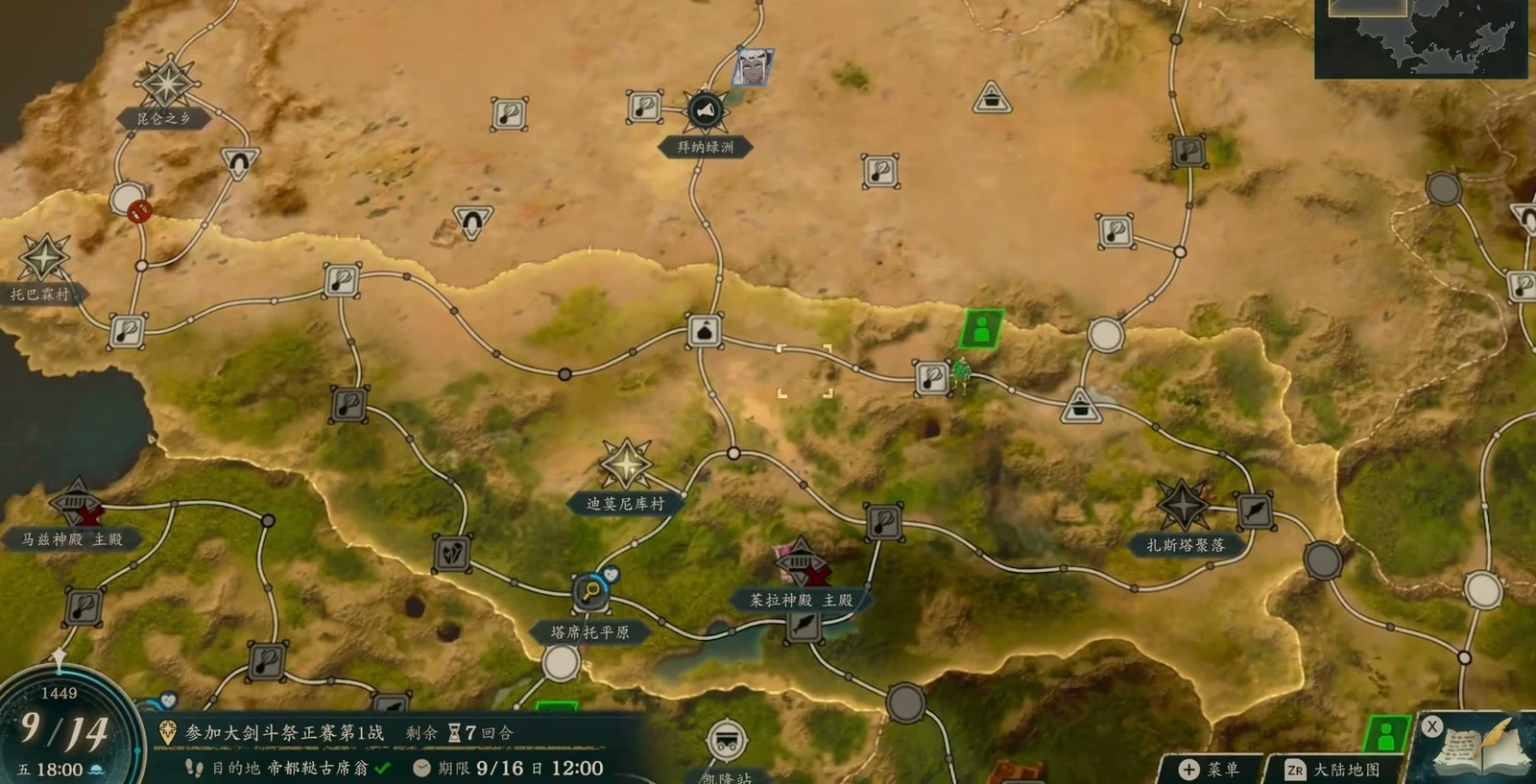
World connections, systems, and names
| Connection | Evidence | How to use it |
|---|---|---|
| World relationship with Three Houses | Same world, different continent and era; characters, families, Crests, and war records can be cross-checked | Compare years and specific dialogue; see Connections between the games |
| Similarities to older series systems | Combat arts, Gambits, Crests, and HP-consuming abilities echo one another | Helps with broad approaches; check this game's sources for values and limits |
| Mythological, historical, and older-game name echoes | Some have etymology notes; others are player interpretations based on similar spellings | Explains naming choices; does not directly establish ancestry or a shared world |
A prerelease timeline investigation compares differing accounts of Sothis's history from the older game with Crests, family emblems, and foreigners in the new trailers. One familiar-looking face cannot determine the era.
The series has told stories on different continents: distinct cultures and gods can still belong to one world. This game's prequel relationship needs character and timeline evidence.
Returning systems and this game's rules
What returns from Three Houses?
This game builds on Three Houses' gameplay, with combat arts, Gambits, and Crests among the returning elements. The powers called Bloodmarks here are also connected to Crests in the setting comparison.
The narrative direction changes too: the older game moves different viewpoints toward conflict, while this game gradually brings different lives together. Training and exploration from earlier routes combine later. Check merge values and recruitment requirements separately.
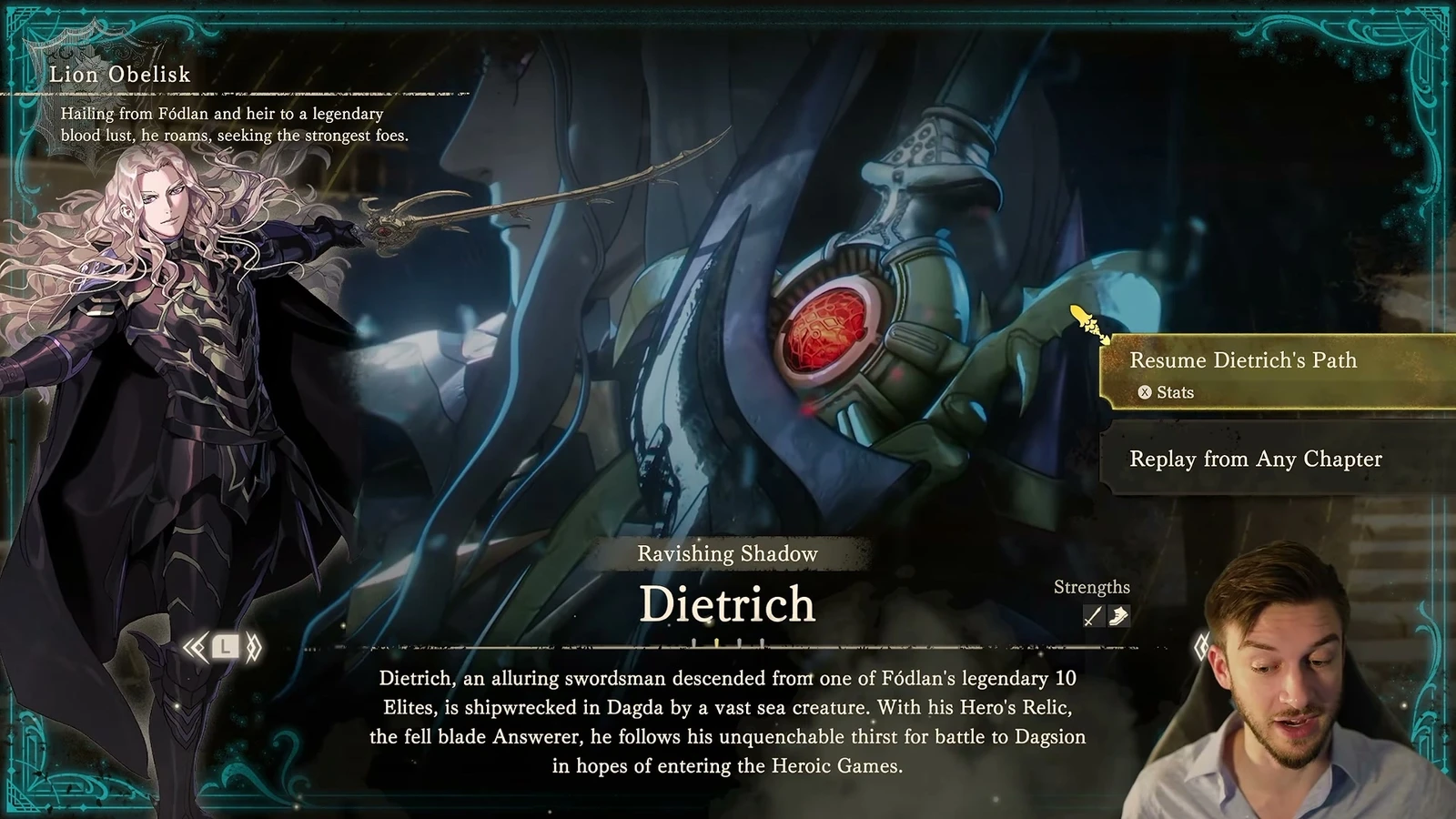
Why Blaze Arts recall Gaiden and Echoes
Blaze Arts share one feature with magic in Gaiden and its remake, Echoes: special abilities cost HP, making immediate effects compete with your survival reserve.
Some characters' Blaze Gauges work differently in this game. Check costs, recovery, and class effects against this game's specific rules.
Divine names borrow from Ireland and Rome
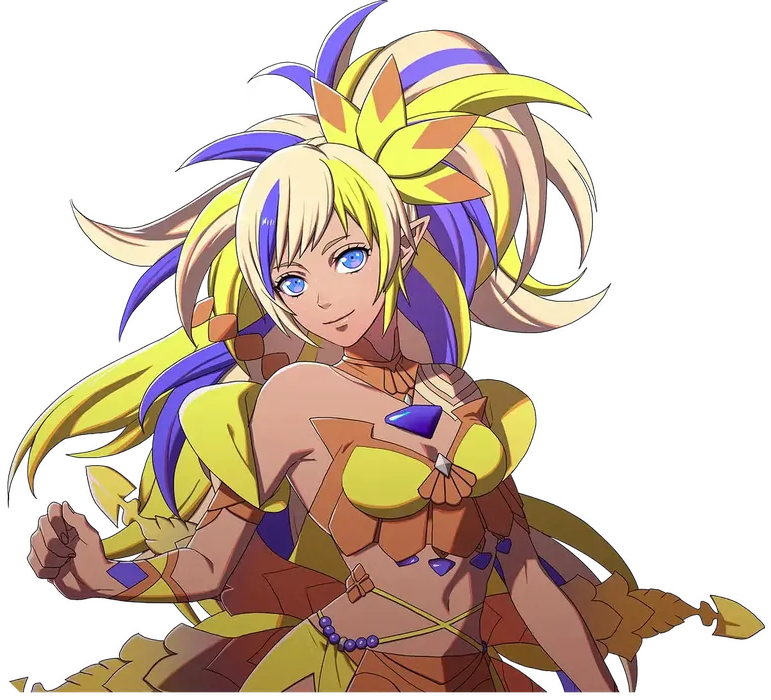
| Character in this or the related game | Cultural connection | What it establishes |
|---|---|---|
| Dagda | The Dagda, an important deity in Irish mythology | The continent and its namesake god have a mythological naming background |
| Balor | Balor, leader of the Fomorians in Irish mythology | This game's Demon God continues that mythological naming source |
| Flayn's true name, Cethleann | The etymology page points to the prophetic Cethlenn, Balor's wife in mythology | The two games' naming can be compared; game relationships cannot simply copy mythology |
| Fortuna | Fortuna, Roman goddess of luck and fate; the Japanese name is a variation | The name echoes her role concerning fate in the game |
Cethleann and Balor are spouses in mythology, which is a naming connection; it cannot establish Flayn's marriage in the game. Names, Bloodmarks, and actual family relationships need separate evidence, and mythological names cannot determine game characters' parents.
Two approaches to place-name origins
One place-name investigation connects Arago on the map to Aragon and Castalia to Castile. This brings medieval Iberian names into a setting with an ancient Greek and Roman style.
Architecture and the empire set a classical tone, while similar place names point to the Middle Ages. This mix of styles creates a sense of eras being out of alignment.
The same place name can have competing interpretations. Another reading also connects Arago to Aragon, but traces Castalia to Greece's Castalian Spring. It discusses a nymph pursued by the sun god and the spring at Delphi, then connects prophecy and poetic inspiration. The Castile and Greek-spring readings should remain separate interpretations. No official etymology currently settles the dispute.
Consider several elements together: the arena and public Games suggest Rome; war elephants draw attention to the southern Mediterranean; country, territory, and character names add Greek, Iberian, Celtic, and other origins. This supports reading the setting as a circle of cultures rather than a map copied from one real kingdom.
The game borrows vocabulary from multiple eras, and its fictional countries have their own histories. Etymology helps explain the atmosphere; follow the game itself for later events.
Why Leda carries a vihuela
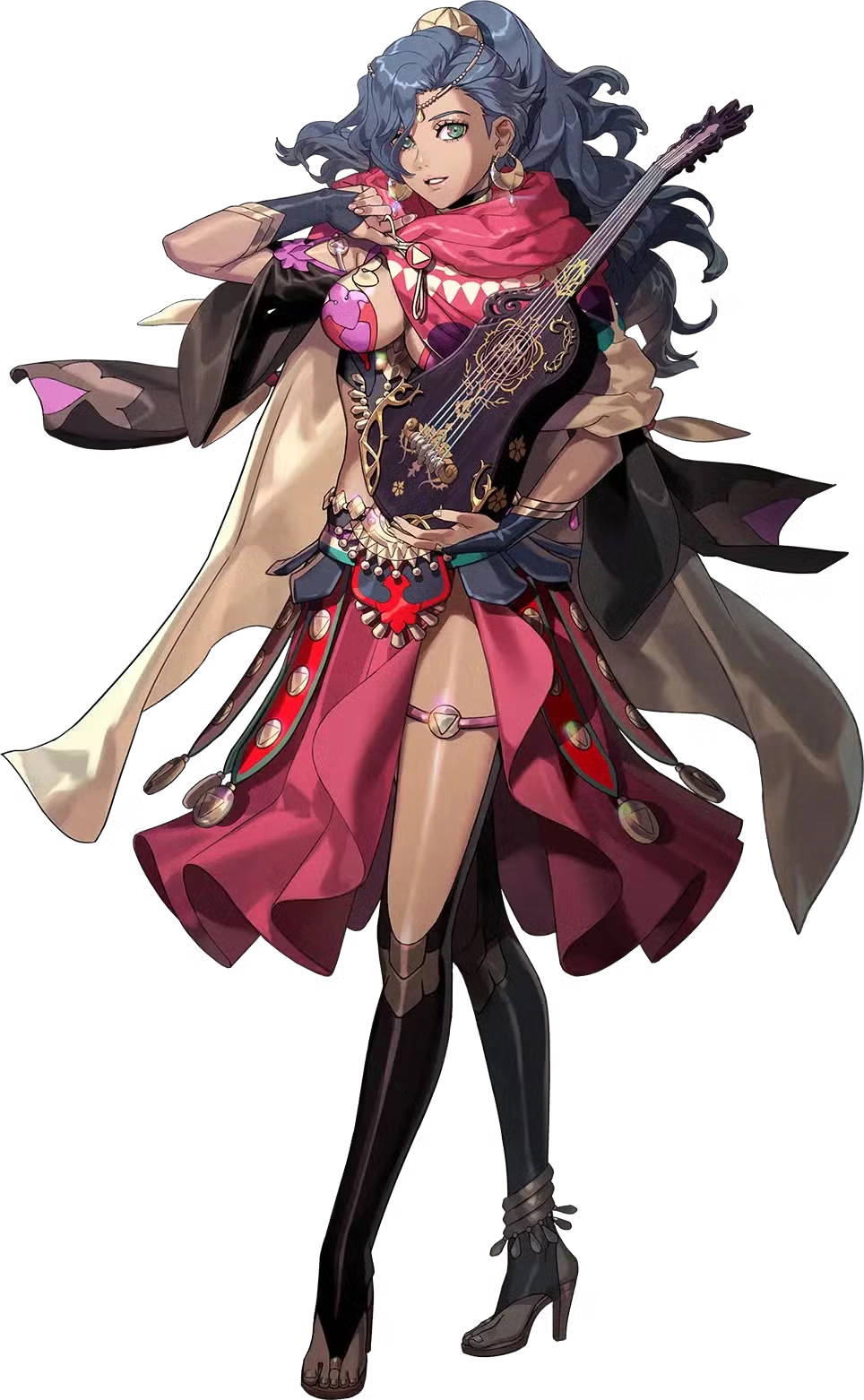
Leda plays a vihuela. Use that name when discussing her instrument, rather than a generic lute or guitar.
Each protagonist's music and the interweaving of themes after convergence can be read alongside the four routes coming together. The music also includes flamenco, emphatic handclaps, and percussion. Identify whose melody you hear first, then listen for it meeting someone else's material later.
Can five people draw on one heroic model?
SpoilersLugh, the king who lost an arm, and the fifth figure: a prerelease structural reading
One prerelease interpretation finds parts of Lugh's traits in each of the four. It starts with Cai and the mythological association with Balor's descendants, then turns to Theodora losing an arm and eligibility to inherit before receiving a replacement. Dietrich's demonic sword and cloak follow, then Leda's music affecting an entire team. The conclusion is not that all five equal one mythological figure, but that different abilities from Lugh and related legends are distributed across different lives.
In this reading, Eshmel organizes scattered people with their own powers and divine weapons. The archetype analysis explains the fifth protagonist's role, while the developer interview discusses musical design; each has its own evidence. Check the specific conditions for unlocking the final battle separately.
Three emphases in the title
The original Japanese title, Many Shades of Color, traces to Zhu Xi's poem “Spring Day” and its line about myriad purples and reds all being spring. It begins with flowers' colors and extends to flourishing diversity. The Chinese title's countless strands and threads, and the English Fortune's Weave, more readily evoke fate and weaving.
Alongside the developer interview, one interpretation is: the Japanese emphasizes the colors of different people and lives; the Chinese and English emphasize how those lives interweave. **
Sothis remembers the sea of stars
SpoilersThe blue star and wandering space in the post-credits scene
Sothis recalls leaving a shimmering blue star and wandering the sea of stars in the post-credits scene.
For a deeper account of the old civilization, see Story revelations.
Find specific evidence for cross-game associations
- When an older game's name appears, look for an explicit character relationship or dialogue first. A similar sound alone belongs to name-origin analysis.
- When comparing Blaze Arts to older magic systems, borrow only the stated observation that HP pays for an effect. Recheck the specific gameplay in this game.