 What the nine stats doHP determines how much damage you survive. Strength and Magic determine attacks; Speed controls follow-ups. Dexterity affects Hit and combines with Luck for critical hits. Defense and Resistance reduce damage. Luck also prevents critical hits. Charm affects Gambit accuracy, masks, and Dante’s activation rate.
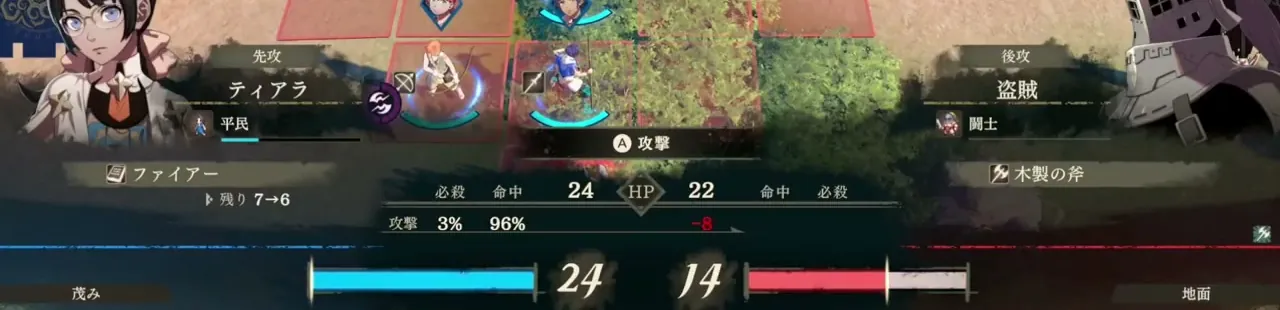 Combat formulas: follow-ups, Hit, Crit, and damageA follow-up requires at least 4 more Attack Speed. Attack Speed = Speed − max(0, total equipped weight − Build), plus skill modifiers. Base Build is Strength / 5, rounded down, with skills, equipment, and mounts added separately.
- Attack order: Murderous Intent, Sen No Sen, Go No Sen, and follow-ups before countersMinor spoilersThe normal order is attack → counterattack → follow-up. Murderous Intent only gives Dietrich Crit +5 when he initiates. Bertrand’s Sen No Sen and Go No Sen have a 25% activation chance; combat arts such as Flying Spear and Battle Rush reliably change the order.
 What can one character equip? A complete slot guideSix carried-item slots and five equipped-skill slots. Personal, class, and mount skills are separate. Ordinary combat arts use three base slots plus the current class’s extra slots.
 Weapon durability, repair, forging, and spell usesNormal attacks do not use durability; only combat arts do. At 0 durability the weapon remains, with greatly reduced Might and Hit. Blacksmiths unlock in Chapter 6, and forging also refills durability. Spells have separate use counts that do not automatically recover after battle.
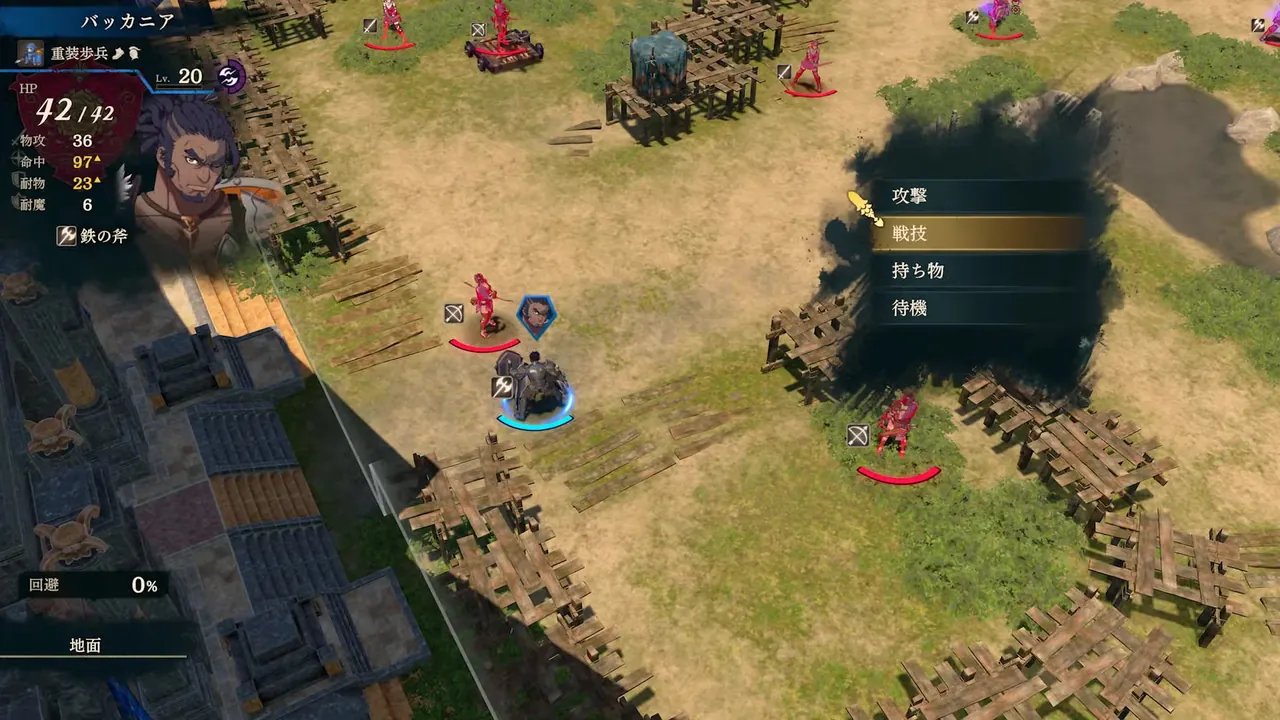 Choosing combat arts: learning, Secret Teachings, and Magic Echo Shard upgradesCombat arts spend weapon durability for accuracy, damage, and special effects. Cover a character’s weaknesses first, then upgrade frequently used arts.
 Blaze Arts: HP costs, Overblaze, and gauge controlBlaze Arts spend HP. Check the art’s conditions and the character’s gauge type, then manage Overblaze and Burst according to their control skill.
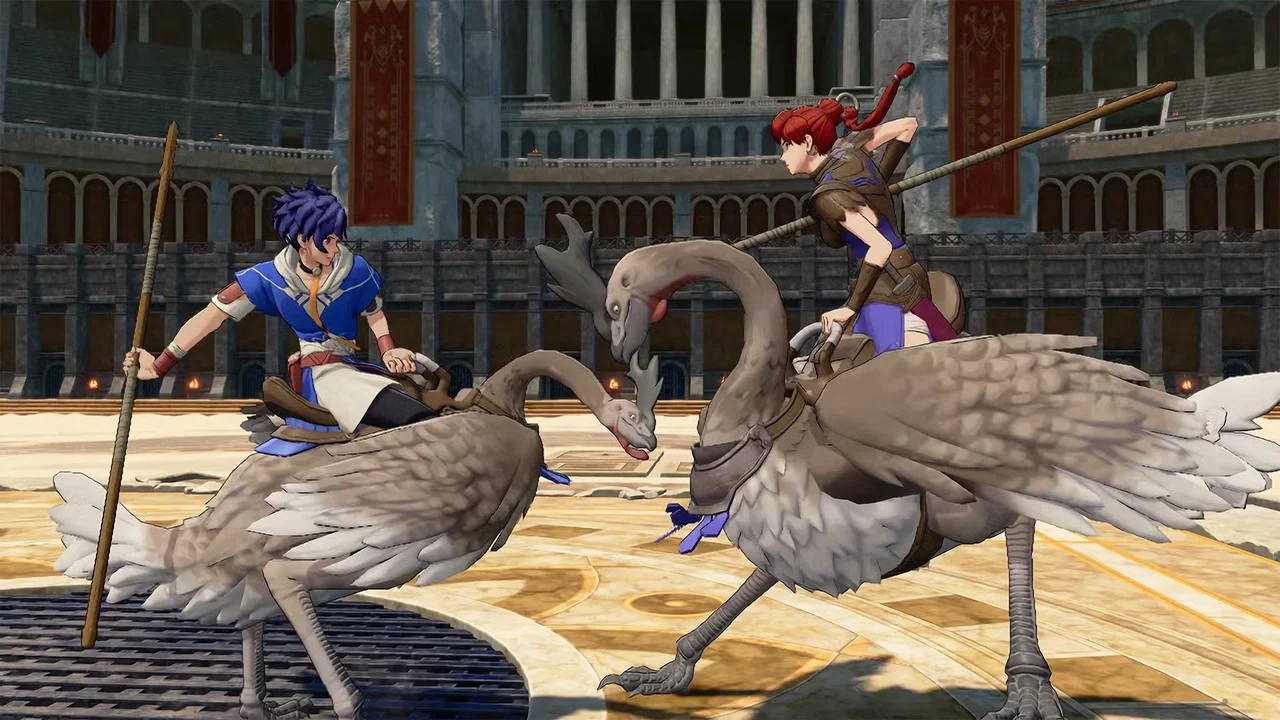 Training skill ranks: arena partners and the 15-round Clash capAttacks grant skill EXP only when they hit and deal positive damage. Arena partners with higher relevant ranks help weaker partners; each menu has one use per week. One Clash test found a 15-round cap, reached only if enemies survive long enough.
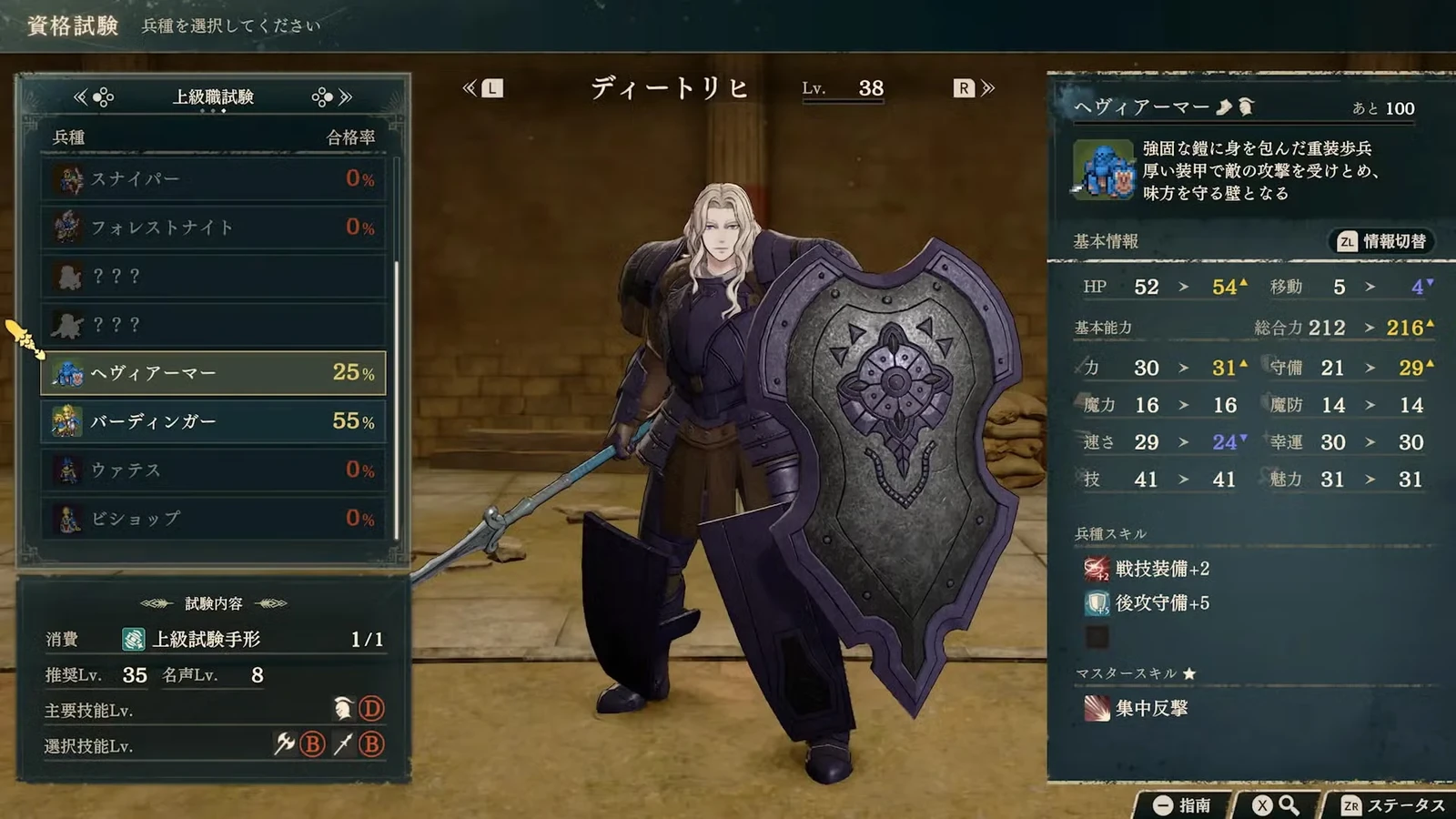 Certification Exams: calculating and improving your pass ratePass rate = skill score × level coefficient. Each missing skill rank costs 30 points (15 for Advanced classes with two requirement lines), then add half your Luck, capped at 100. Being 1–4 levels below the recommendation applies 50%, 32%, 18%, or 8%.
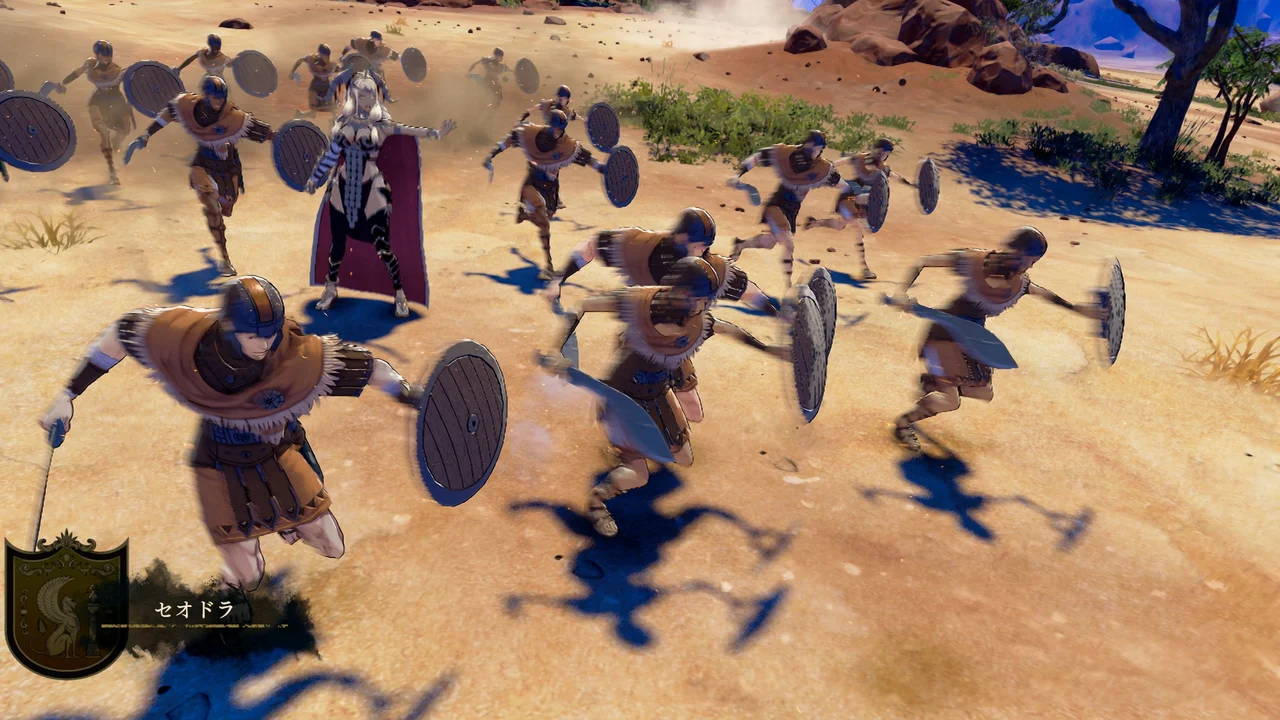 Battalions: assignment restrictions and exploration dispatchInfantry and armored infantry need the required Authority rank to equip battalions. Match dispatch affinity to the destination; gathering caps for ranks E–A and extra dispatch slots at Renown 5, 7, and 9 are listed separately.
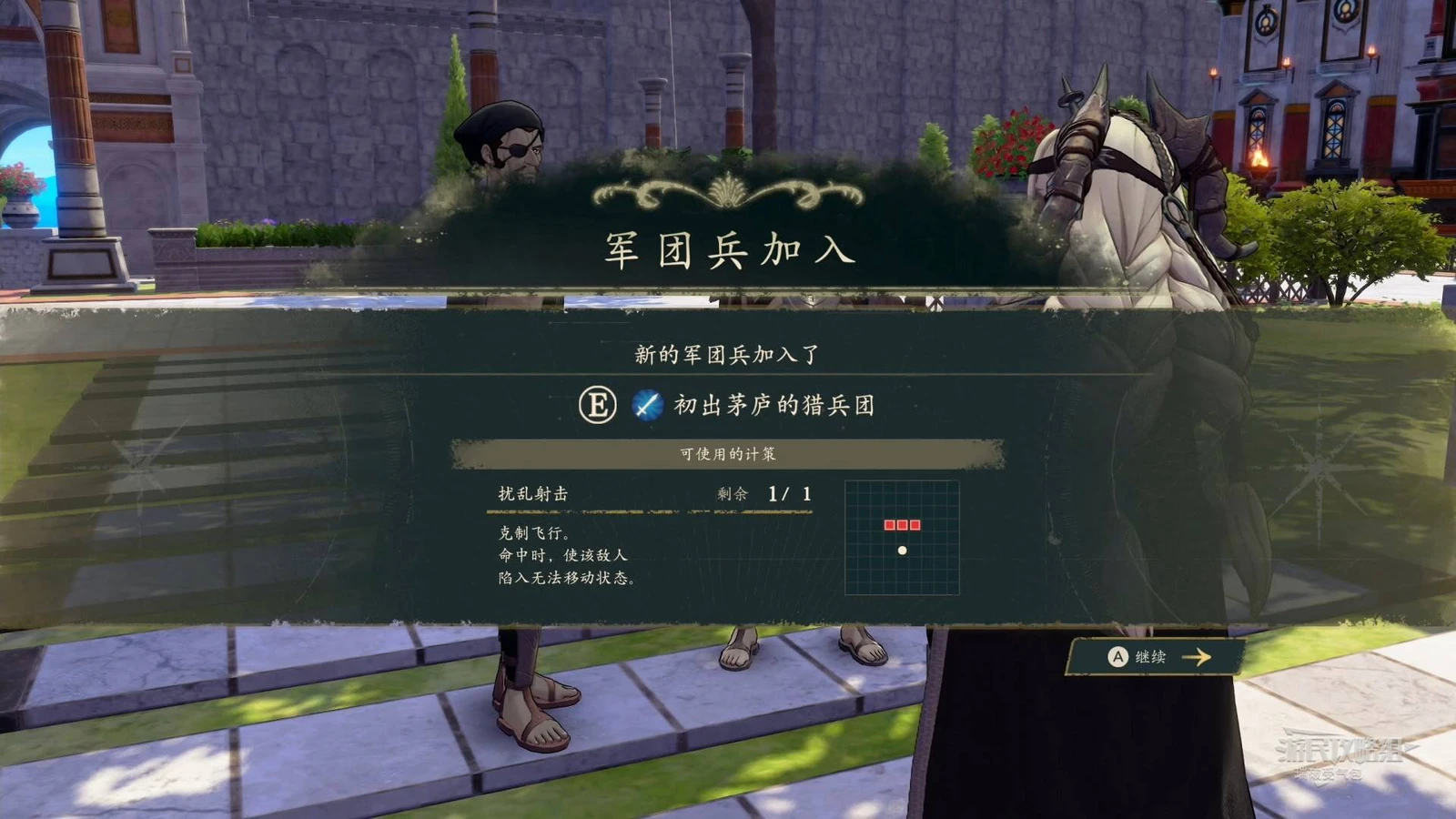 Gambits: formations, range, and battlefield controlEquip a battalion, then use its gambit when the formation and target position qualify. Offensive gambits avoid counters. Check uses per battalion; gambits are unavailable in Clashes.
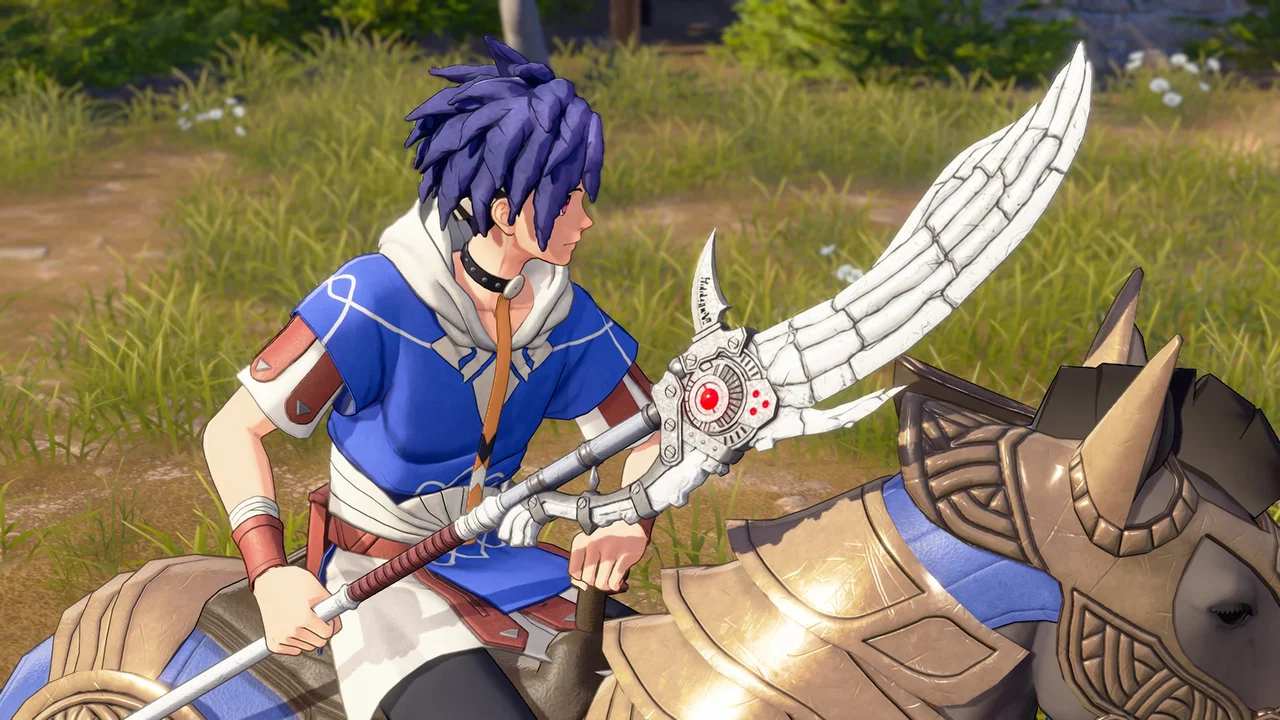 Mounts and dismounting: capture, feeding, bonuses, and CantoCapture and raise mounts in Cai’s story. Bonds belong to each rider–animal pair. Choose the mount skill first, then raise the bond to 5; maximum bonuses are totals across stats.
 BlessingsBlessings spend Divine Sand to buff your whole army for one turn. Choose a god to cover weaknesses in damage taken, accuracy, vision, or movement. Main battles and paralogues refill Divine Sand at the start; budget for consecutive difficult fights during free time.
 Fortuna’s Blessing: rewindReturn to a chosen action in battle. Rewinds are unlimited and free on Normal, or 5 Divine Sand each on Hard. Save units, change positions, or undo an accidental Blessing before victory is finalized.
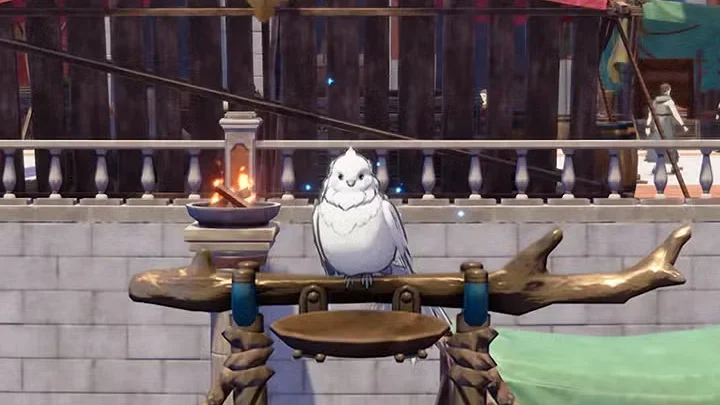 Pale Raven perches: feeding, rewards, and answer tablesMinor spoilersFeed the Pale Raven a common ingredient once each week. Answer all three lines correctly for a perfect rating and more bond progress between the chosen character and Eshmel.
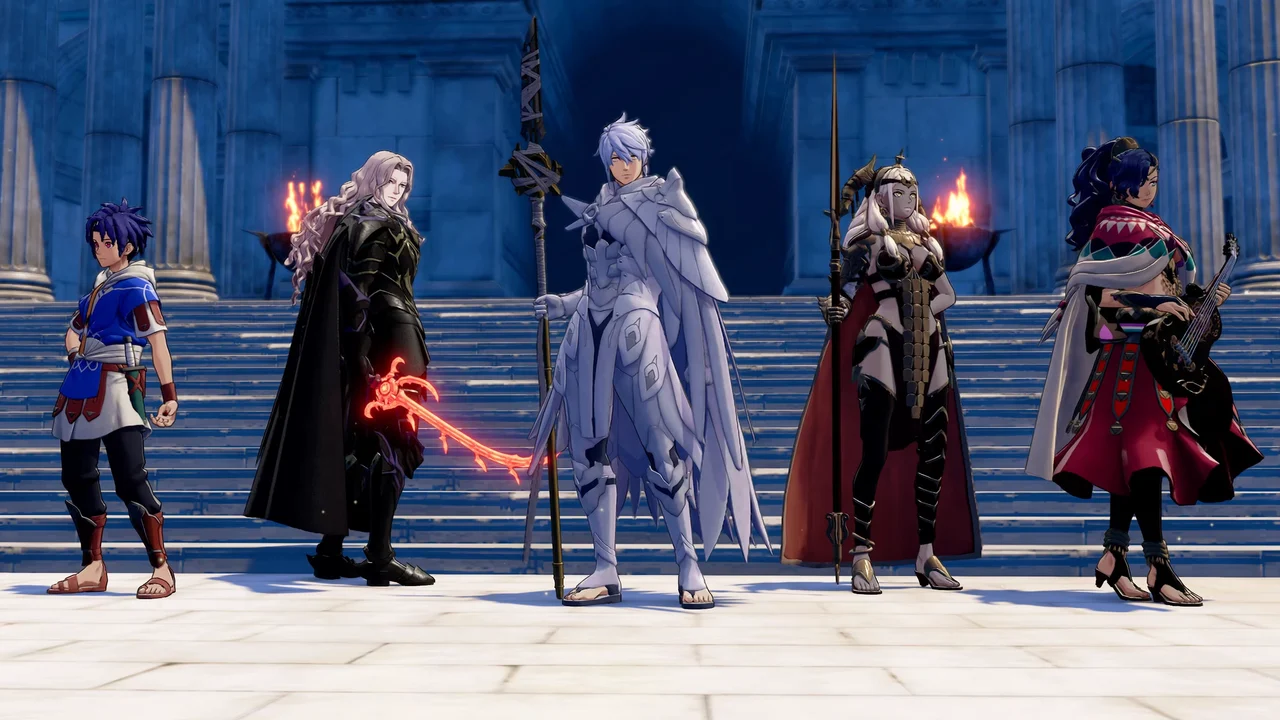 BuildsChoose builds for your current protagonist route and story part. Catch up levels when stuck; prepare classes and mounts before intensive training. Level-up previewing, fusion, and borrowed skills have separate guides, while small-team challenges are folded behind spoilers.
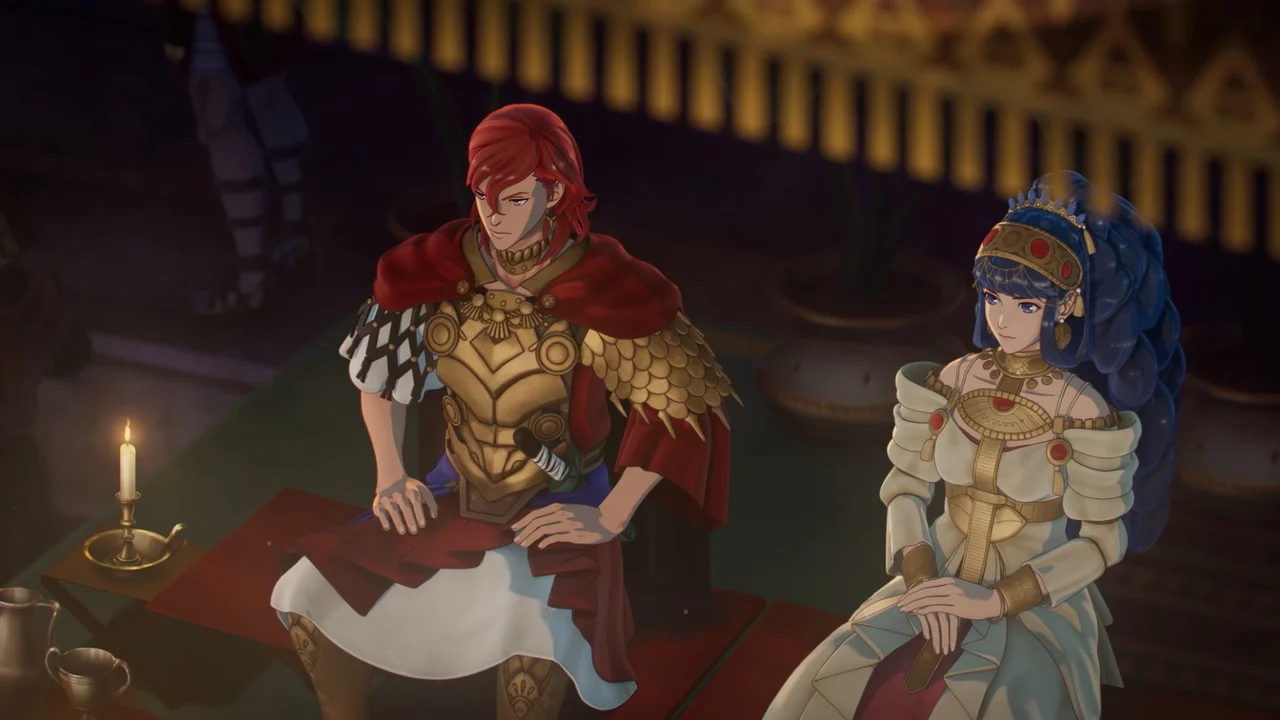 BondsAffection and support: dine together before recruitment, Feast after joining; what gifts, support conversations, and Feasts each do.
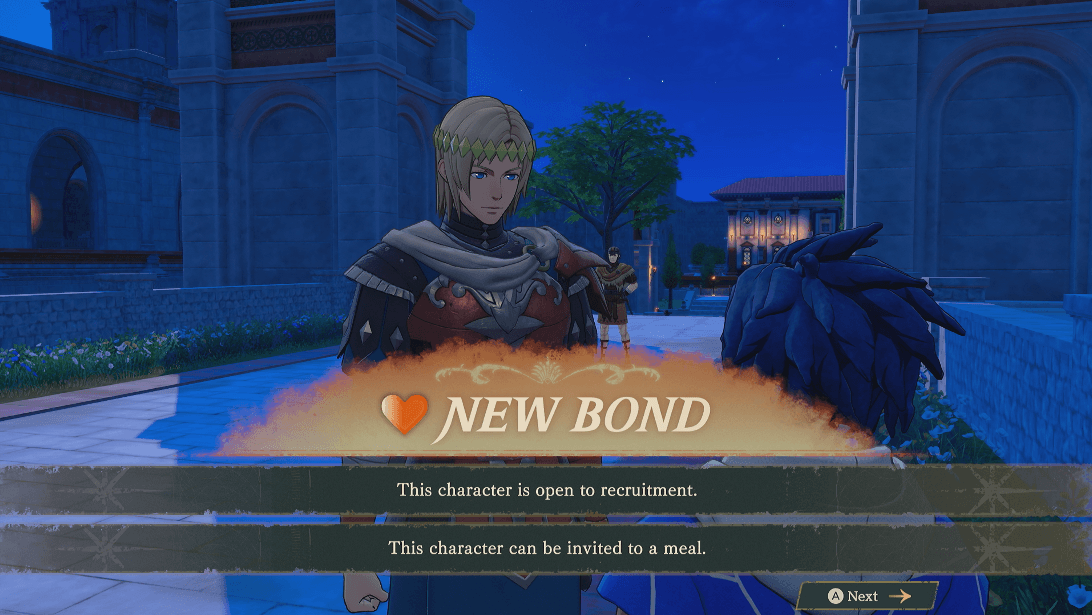 How many bond activities do you need? Gifts, three-person meals, and the Pale RavenMeasured gains suggest Ultand–Leda need about 4–5 Herbal Recipe Guides or 6–8 Garum gifts to go from level 1 to 2. The tables list estimated activity counts at each measured level.
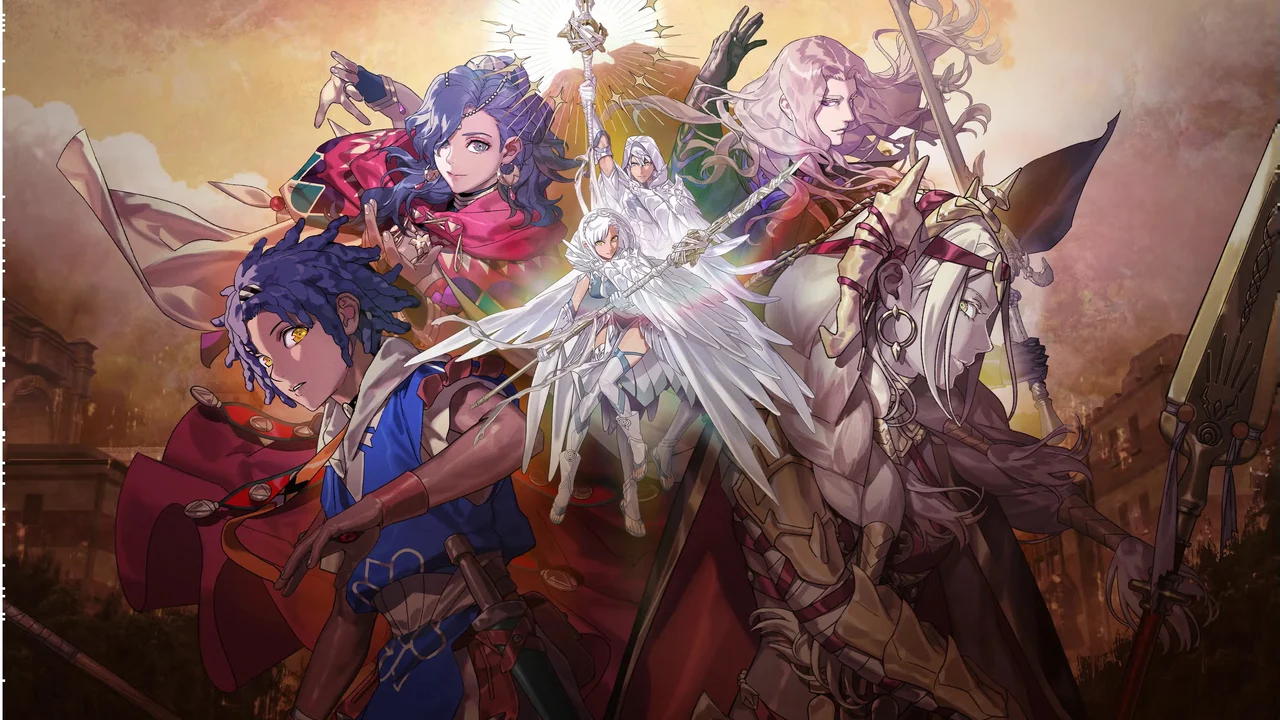 RouteNew players can begin with Cai; prioritize Theodora if Battalions matter most. Completionists and story-focused players have other orders. Clear one route’s 12 chapters, then start the next at Chapter 1 to get the most from carryover.
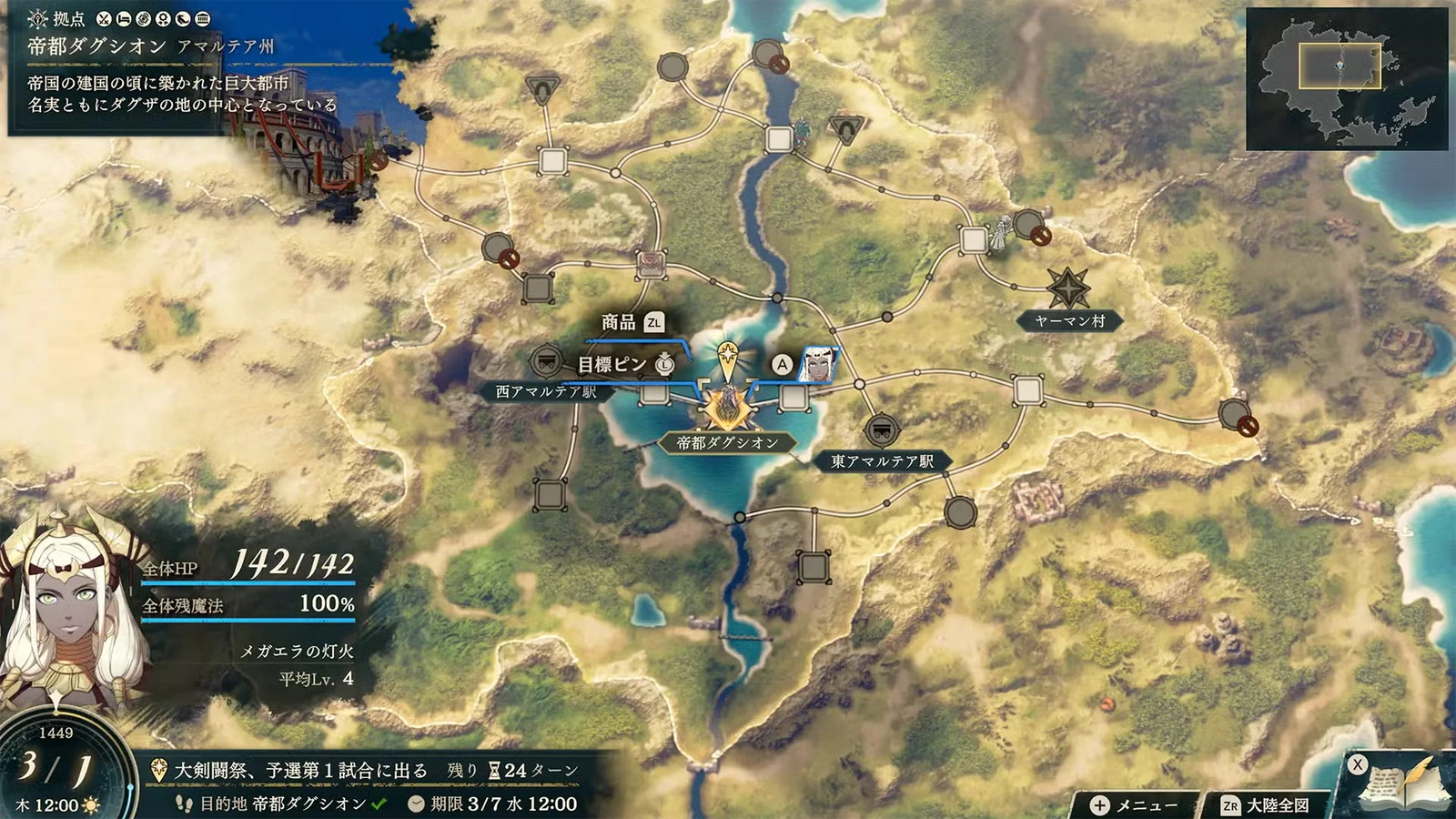 World map: turns, main quests, and weekly activitiesEach turn lasts 6 hours and allows up to 3 spaces of movement. Confirm the green check beside the main destination before planning exploration, encounters, and protagonist-specific actions.
 Free time: weekly activities, Motivation, and opening hoursWeekly allowances reset Sunday at 0:00. Spend Motivation before restoring it. Dining and training count separately by menu; Divine Service and theater each share a weekly allowance. Check opening hours when returning to town.
 Dungeons and Clashes: leveling, supplies, and treasure chestsBring up to 5 characters into dungeons with shared HP. Manually include your training target in the finishing attack. Enemies return next chapter; ore, crates, and barrels refresh on reentry, while chests cannot be claimed repeatedly.
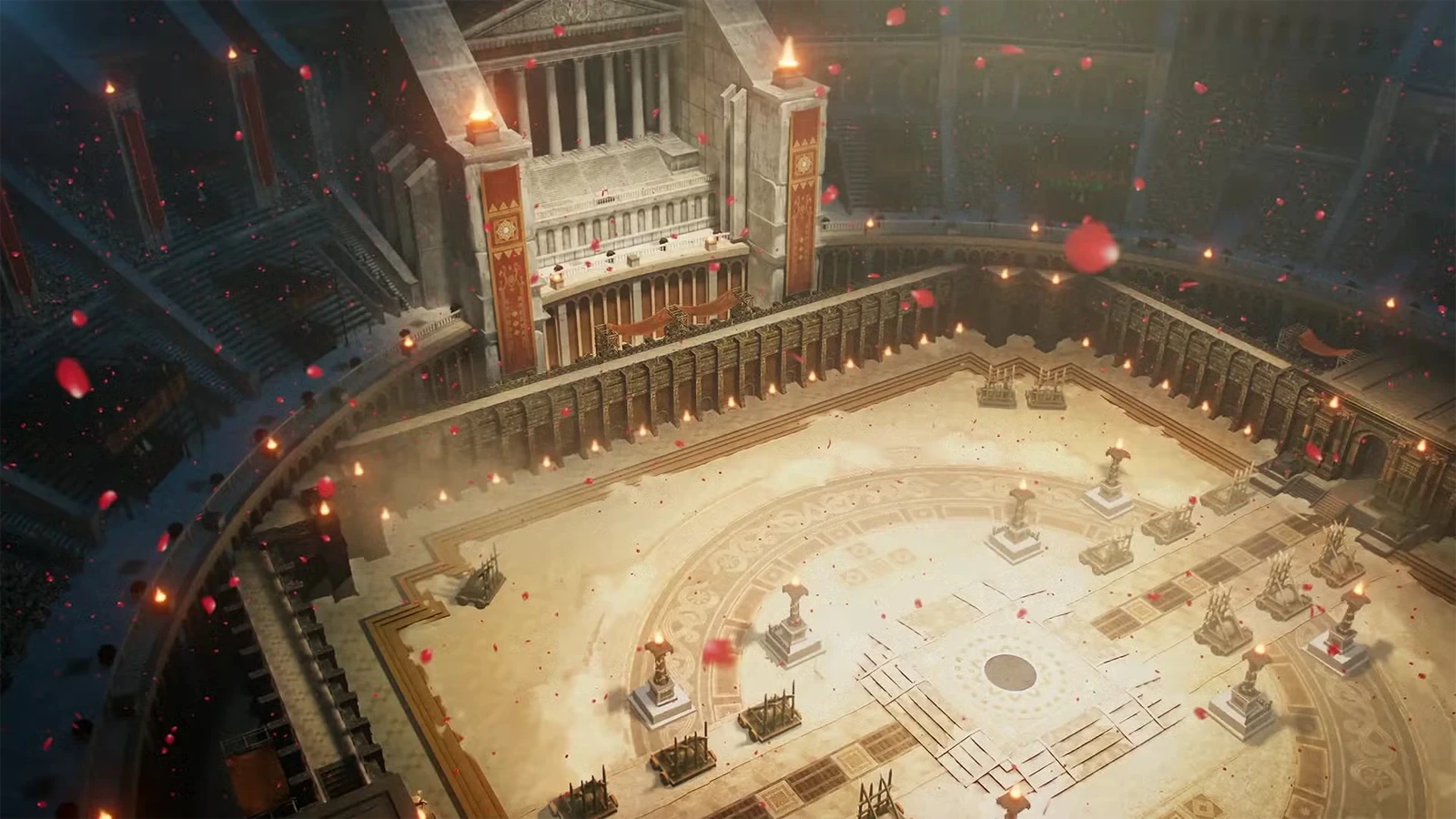 What are the Heroic Games? Matches, preparation, and spectatingMinor spoilersPart 1 follows the Heroic Games qualifiers and main tournament, with free time between matches to prepare. The first qualifier’s 24-turn countdown is only 6 days. Guest character biographies may contain spoilers.
 Renown: level 1–12 unlocks and rewards on all four routesMinor spoilersRenown 4 unlocks Specialty certification; 8 unlocks Advanced certification, baths, and theater performances. The queen’s Renown 5 unlocks Inspirational Speeches, higher-tier Battalion recruitment, and more exploration dispatches. All route unlocks, new shop stock, and request rewards are listed.
 Money and shops: earning priorities and costs you can cutPrioritize protagonist quests and timed paralogues, then save through discounts and material exchanges. Inn auto-exploration becomes substantial income with a larger roster. Save before buying weapon crates.
 Difficulty and modesNew players can start with Normal + Casual. Choose Hard + Casual for more tactical pressure, and Classic if you accept permanent losses. The altar only lowers difficulty; raising it or changing mode requires Descend Again.
 Carryover between routesMinor spoilersThere is no separate New Game Plus. Clear one protagonist’s Part 1, then start the next route from Chapter 1 to carry over Blessings, exploration, and shared side quests. Restarting a chapter and descending again work differently.