Story revelations: from the Great Undoing to the final Underworld battleMajor spoilers
Major spoilers. Distinguish Sothis, Balor, and Dagda, then follow the fall of the old civilization, the sisters’ revenge, the emperor’s resurrection, and the Underworld taking form to understand why defeating the Demon God alone cannot end the final battle.
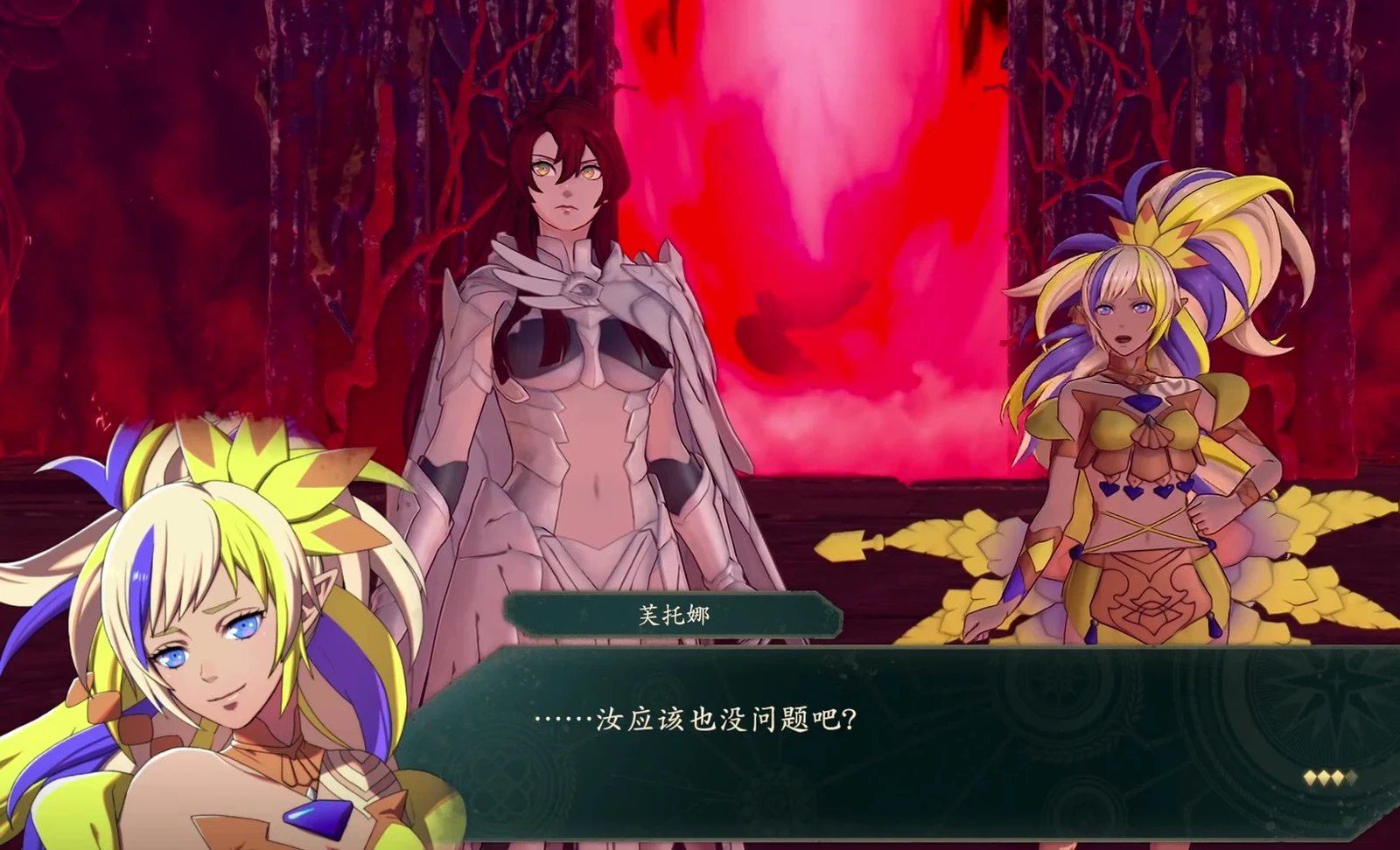
The final battle must resolve Balor turning the Underworld into a physical entity that can survive and even give birth to him again. Defeating the Demon God before you is not enough. Fortuna and Eshmel descend farther and destroy the immense body sustaining the Underworld to end the calamity.
Looking backward, this crisis grows out of three connected histories: the old civilization awakened Sothis and caused the Great Undoing; Fortuna connects Balor's loss of reason to the vast number of vengeful souls he absorbed; Sothis later dealt with him. Some of his daughters refused to accept the outcome. Their long scheme drew the Dagdan Empire's rule and wars into a resurrection plan.
The resurrection plan proceeds in order: revive the emperor, use his power and war to gather vast life energy, then revive Balor. Family ties, romance, and heirlooms draw different protagonists into the same scheme.
Why the gods fear Sothis
SpoilersThe Founders, twenty-one Bloodmarks, and Sothis's avatars
Sothis used a small amount of her own genetic information and human tissue to create her first seven children, the Founders. They could change between human and dragon forms, and their descendants gradually became the Nabateans.
The progenitor god's power was divided into twenty-one portions, with each Founder holding three. Dagda and Balor therefore remained beneath Sothis despite being worshipped as gods by people of an era. This also explains why the same Bloodmark can appear across different families and continents. See Connections between the games for their corresponding Crests in Three Houses.
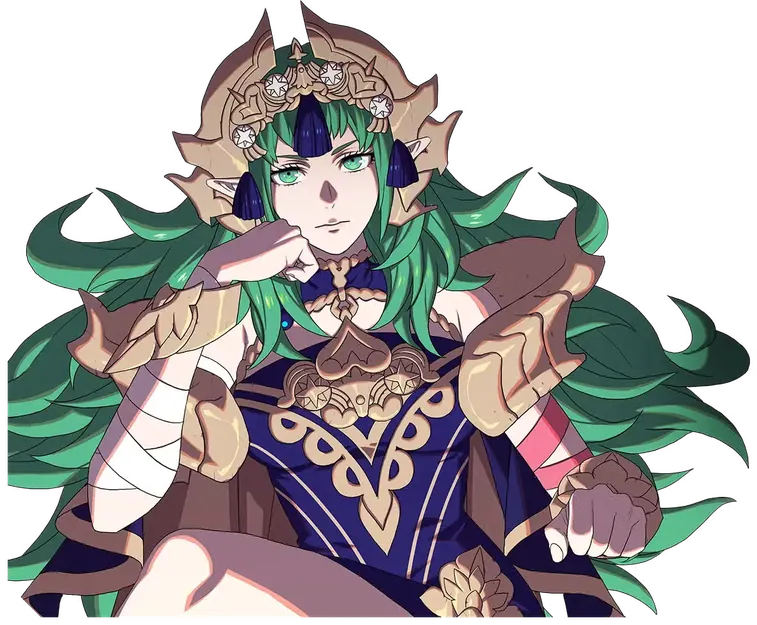
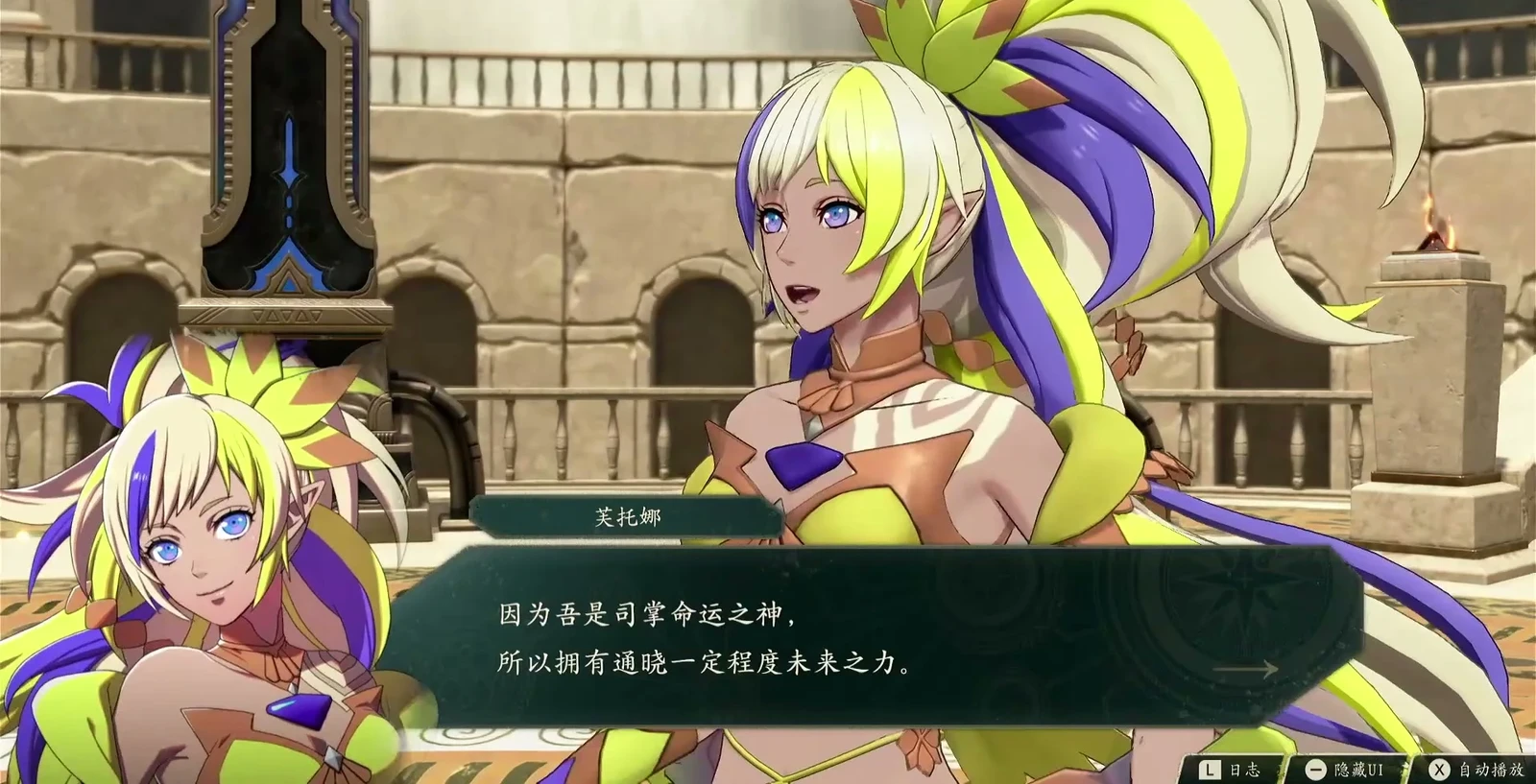
Human-shaped Sothis is likewise distinct from her true body. Her true form was enormous and terrifying. A blind girl was the first person able to communicate with her; after the girl died, Sothis modeled a human body on her friend. She later created avatars tasked with observing the Founders. Fortuna is one of them.
In a Part 2 cutscene, Fortuna asks whether Dagda dares swear in the progenitor god's name and warns that she must report everything to her. After Fortuna leaves, the emperor forbids his followers from touching her and questions whether she even counts as his daughter. He appears to be her father, yet remains under her supervision.
:::
The Great Undoing destroyed the old civilization
SpoilersThe old civilization, Vritra, and Nuwa
While Sothis slept, humanity could travel far through space. Artificial intelligences including the Grand Megalith managed underground facilities, with Vritra coordinating key systems.
A great earthquake exposed Sothis's true body, and Vritra ordered an attack. The goddess and dragons sleeping around the world awoke and devastated the old civilization in retaliation. This disaster was the Great Undoing. Vritra then ordered ships to ram their targets. Nuwa's administrator prioritized protecting its residents, pretended to comply, and eventually crashed in the desert. Survivors repaired and modified the facilities, severed ties with Vritra, and gradually built a secluded life in Kunlun.
Different survivors preserved ancient technology. Some hid underground, some retained spacecraft and facilities, and others resumed life on the surface. The Agarthans are only one branch; underground residents and the people of the White Egg have different origins.
:::
Four daughters made different choices
SpoilersBalor's role, death, and revenge
Balor originally received and purified souls burdened with regrets. The Great Undoing caused countless deaths, flooding the realm he contained with vengeful souls.
He attacked his own kind and finally challenged Sothis. She overpowered and dealt with him, dividing his remains into eight pieces and entrusting them to his four daughters, with resurrection forbidden. The sisters subsequently made different choices:
| Sister/later identity | Identity and history |
|---|---|
| Lyrah/Raksha | Mentor in the Order of Mithras; she identifies herself as Lyrah in dialogue. |
| Mahna/Maria | Acts as a musician, connected to collecting relics and the  Talimun family's history. |
| Eishet/Iliana | The woman beside Solel regarded as Yu Phas returned; she impersonates her sister. |
Yu Phas/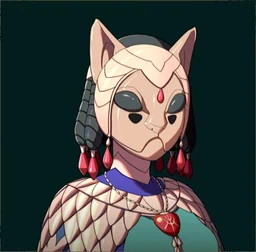 Orchel | Yu Phas left the island and married Solel, then was executed. Her paralogue's ring, face, and self-references point to her return in Orchel's automaton body. |
Death, exploitation of the remains, and a soul entering an automaton are three separate stages. In 881, the empire executed Yu Phas in the cauldron on grave-robbing charges. She later returned in Orchel's automaton body.
The sisters' potion-making sequence and soul-taking process remain unclear and cannot be directly linked to the imperial executions.
Read Yu Phas separately from the other three's resurrection plan. The impostor beside Solel and the doll Orchel also each have their own body.
Orchel's ring, her face after the mask breaks, and a slip in how she refers to Yu Phas together point to her identity. Differences in the personality of the woman beside Solel suggest another body and another layer of impersonation.
:::
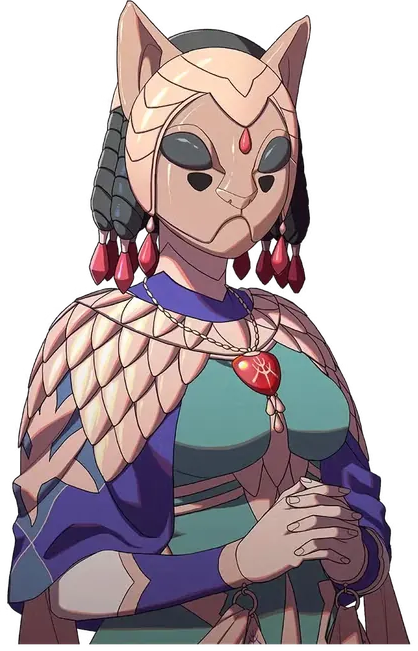
Trace artificial bodies and souls separately
SpoilersDistinguishing two kinds of artificial life
Anatolia's introduction as a Mediator and her special gauge resembling Eshmel's point toward an engineered body. Orchel's Brawn, armored classification, class restrictions, gear icon, and “automaton” wording instead point toward an automaton body.
For Orchel's relationship to Yu Phas and the creation of Eshmel's body, see The five protagonists.
:::
Why Salamis forbids writing
SpoilersThe People of the White Egg, Damascar, and the emperor's cauldron
In Dagdan year 551, the empire discovered Nuwa's survivors, overran their settlements, and threw captives into Dagda's cauldron. Yu Phas pleaded for the children and saved five thousand people. The emperor made illiteracy a condition of their survival, and Yu Phas enforced the ban, preventing ancient technology from being passed down in writing. They moved south and later founded Damascar.
Salamis's ban on writing comes from the condition of its rescue. Centuries later, oral tradition still preserves Yu Phas's kindness and memories of the old kingdom. The holy land Theodora wants to rebuild carries that history.
In 881, Balor's tomb was robbed. The empire blamed Yu Phas and her people, destroyed Damascar, and executed Yu Phas in the cauldron. Support dialogue instead points to Vandahl as the tomb's opener: guided by Maria, he used his own bloodline to break the seal and remove the remains. Those punished were not the person who actually opened the tomb.
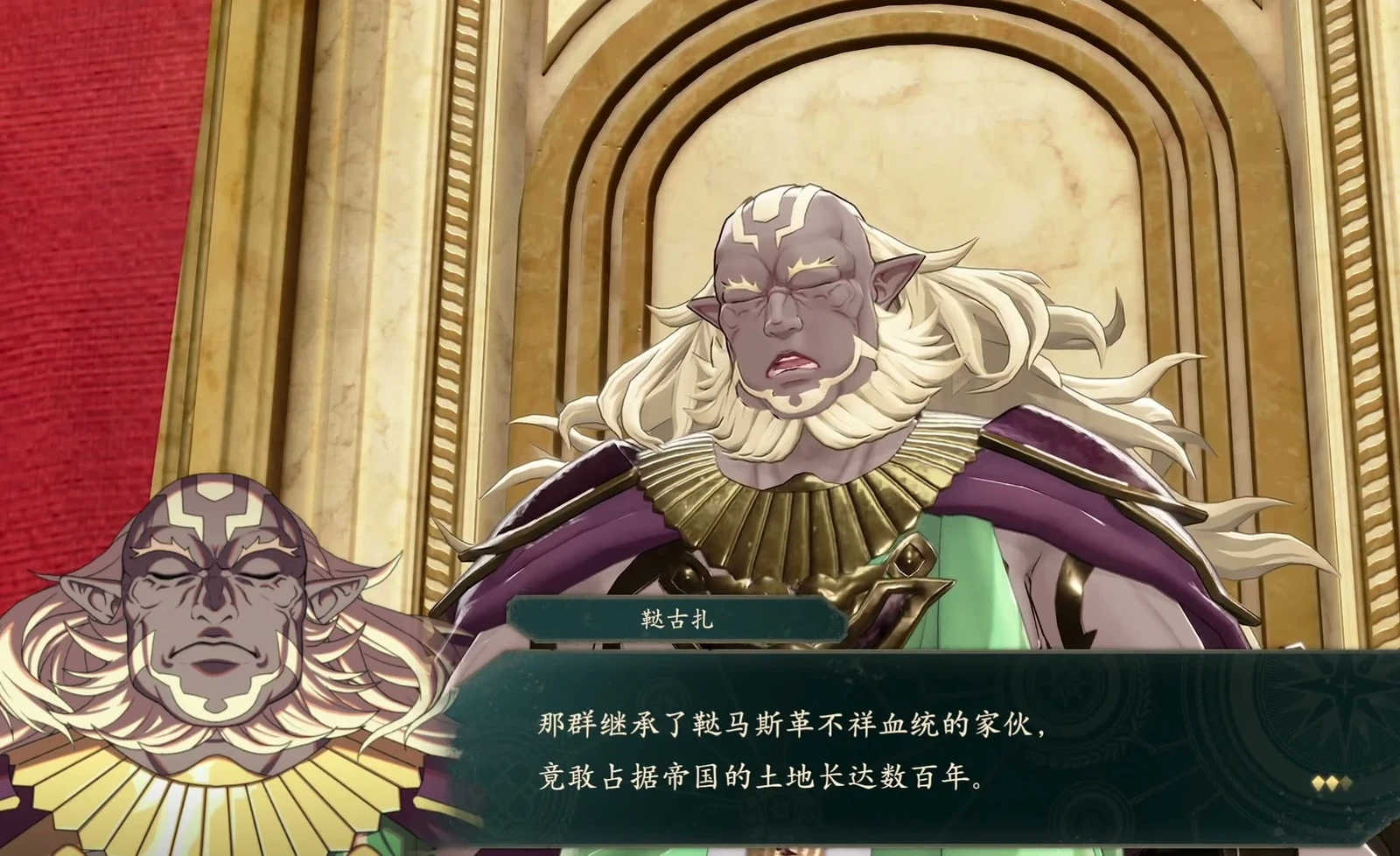
The emperor later went mad from consuming life energy. In 940, Solel and Jurah sealed him in his tomb. The public account became that he slept while Solel ruled in his place, concealing the violence behind that sleep.
:::
Imperial war after the Heroic Games
SpoilersSolel's death, Part II's war, and Balor's return
Part I's public premise is a Heroic Games offered to the sleeping emperor. Part II brings the emperor's resurrection, Solel's death, and imperial war.
The subsequent imperial war and use of the cauldron lead to Balor's resurrection and the Underworld invading the living world. The apocalypse shown in the 1454 opening is where this historical chain arrives. Eshmel returns to the past chiefly to keep potential fighters alive and build a united force. For questions about souls and bodies, see The five protagonists.
:::
Defeat Balor, then destroy the body
SpoilersThe final battle and post-credits scene
The final battle has four steps:
- Balor falls, but the Underworld remains. Fortuna explains that the Underworld previously touched the living world only briefly at sealed sites, places where the dead gathered, or when the power of the remains was used. This time it has gained physical form, so it does not vanish with the destruction of his soul.
- Leaving the realm could allow Balor to be born again. She judges that something deeper still supports it, and decides to continue inside with Eshmel while everyone else leaves. At this point, the supporting structure is still a theory proposed by a character.
- The body within changes her understanding. She had wondered why recovering power and resurrecting would require more than a thousand years and upheaval in so many countries. Seeing the interior, she understands it as a gigantic body prepared to oppose Sothis. Another malicious soul could also inhabit it and descend during an eclipse.
- The body must be destroyed to collapse the Underworld. After this, the narrator declares the Underworld War over and Dagda begins rebuilding. Historical records still list the Promised One as missing, believed lost in the Underworld.
Fortuna also discovers the truth and revises her judgment as she goes. When she descends farther into the Underworld, she still does not know what lies within.
The post-credits scene turns to Sothis. She tells Balor he need no longer fear, forgives his foolish acts, and offers maternal love as a new “punishment.” She then begins recounting leaving a shimmering blue star and wandering among the stars. Their conflict reconciles, opening a still older story. The Promised One's later fate depends on each character's conditional ending.