

Why the long campaign stays engaging: build your team early and see it tested in warMinor spoilers
The deeper the training, the more consecutive major battles showcase the results. Map fast travel and dungeon trails also reduce travel fatigue.
Original video: Why can a first playthrough stay fun for 200+ hours?! Fire Emblem: Fortune's Weave; Bilibili creator Global Cooling.
The long campaign stays engaging because the War Arc keeps testing Part 1's training. Characters, classes, and weapons prepared earlier become useful in large battles with different objectives.
Early training pays off in major battles
Ten hours in, my first impressions were complex training systems paired with thoughtful conveniences. After twenty-five hours, finishing the first character’s Part 1 made everyone’s development start to feel meaningful. More than forty hours in, I finished the first two parts, and the pace shifted to consecutive battles. Both the challenge and the fun rose sharply.
What draws me in most is the close connection between early preparation and later tests. The more thought you put into training, the more satisfying it feels to use those choices in a major battle and recognize the team you built little by little.
Switch between four routes before they converge
As the descended Promised One, you can take the starting allies directly into Part 3 or use Fortuna's Blessing to return five years into the past, change four warriors’ fates, and bring them together.
The obelisk hall connects different protagonists and chapters. You can revisit earlier experiences or head off to challenge the Demon God. The four routes interweave their open and hidden plots. Each reveals part of the information before the full picture comes together.
A flying queen is an option for Part 1
All four fighters enter the Heroic Games in the capital, where the winner asks the Divine Sovereign for a wish. Free time between qualifiers and the main tournament allows bird interactions, hot springs, theater, meals, and training. Once levels and proficiencies are ready, take exams to change class.
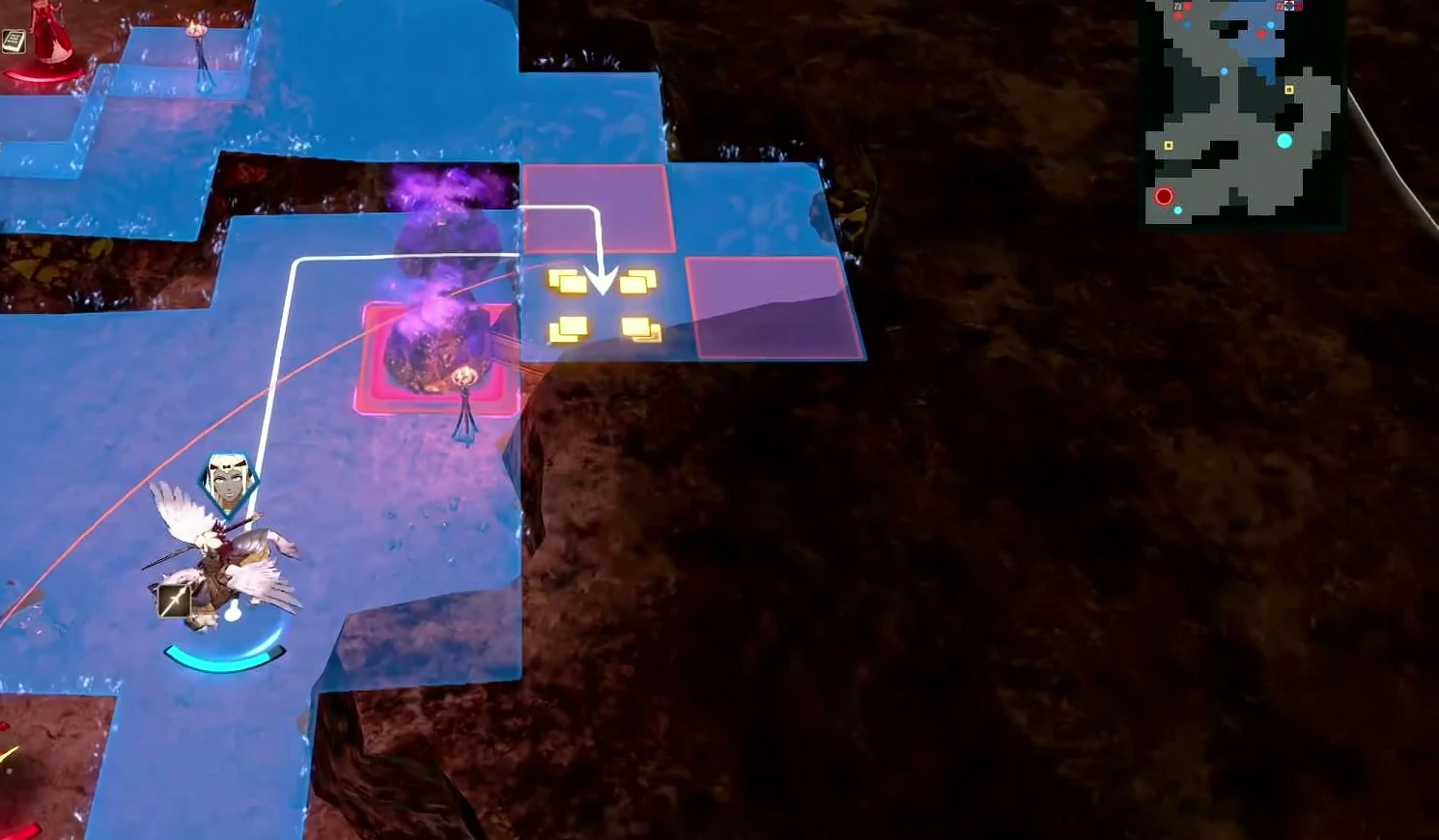
I made  Theodora a flying unit. Her Blaze Art costs HP but offers extremely long Range and high damage. Combined with terrain-ignoring mobility, she can support several fronts and reach environmental mechanisms and objectives more easily. This choice directly changes how you navigate maps.
Temples, side quests, and recruitment also connect town activities. Gain Blessings, raise Renown, and see whether gifts can recruit someone from another team. There is plenty to do in the large capital, making detailed fast travel important. Finding destinations by district, facility, or character makes routine activities much easier.
Expeditions involve time and real trade-offs
Once you have visited the main story destination, you can return directly when it is time to advance. Ending free time early converts remaining turns into resources, so you need not wander aimlessly just to fill the schedule.
The map itself conveys the situation. Winding desert routes feel like an arduous journey. Each protagonist also has exploration abilities. Theodora can send battalions to gather resources and use gambits in battle, adding another layer of preparation.
Choices have tangible consequences. I lent my ship to an ally and lost access to sailing for a while, but they later brought surprise reinforcements to an important battle. Giving up an immediate convenience produces a different result later, adding weight to time and resources.
Use dungeon trails to find missed chests
Dungeons offer experience and chests. Touching an enemy starts a Clash. Hold the plus button to skip to the result; at higher levels, encounters can also be resolved quickly.
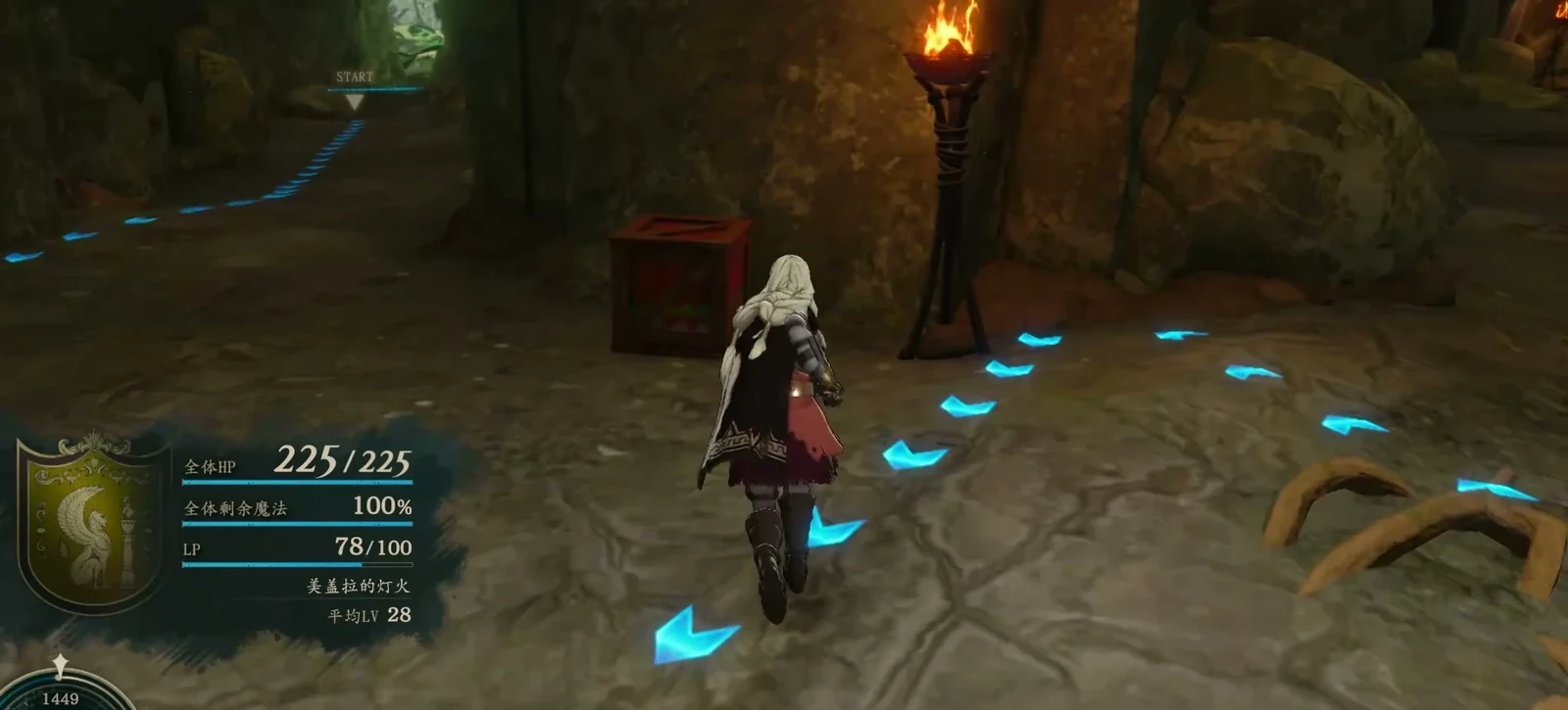
I especially like being able to display movement trails. Blue dashed lines mark where you have been, helping you trace dark branches and overlooked corners. Combined with remaining chest counts and notices that all enemies are gone, this means clearing a map requires less circling around from memory.
Consecutive battles in the war campaign
After Part 1, the world you explored becomes the stage for major battles. Training is greatly reduced, and you repeatedly enjoy the results of your earlier development. The range of classes, weapons, and team combinations also makes it easy to try a different lineup on replay.
Combat information is clear: movement range, damage forecasts, terrain, and mechanisms can be checked ahead of time. Blaze Arts combine high damage with risk, costing HP and building Blaze Gauge. A full gauge triggers Burst, removes the empowered state, and reduces maximum HP. Do not focus only on damage.
Maps also change the problem you must solve. Carrying the orb lowers Defense during the orb contest. In the race to defeat a giant, limited feeding opportunities can temporarily make it invincible. Sieges add elephant charges amid fire and narrow streets. Each map makes me reconsider the objective and gives my trained team different uses.