Two city battles: Why stay together in one and split up in the other?Major spoilers
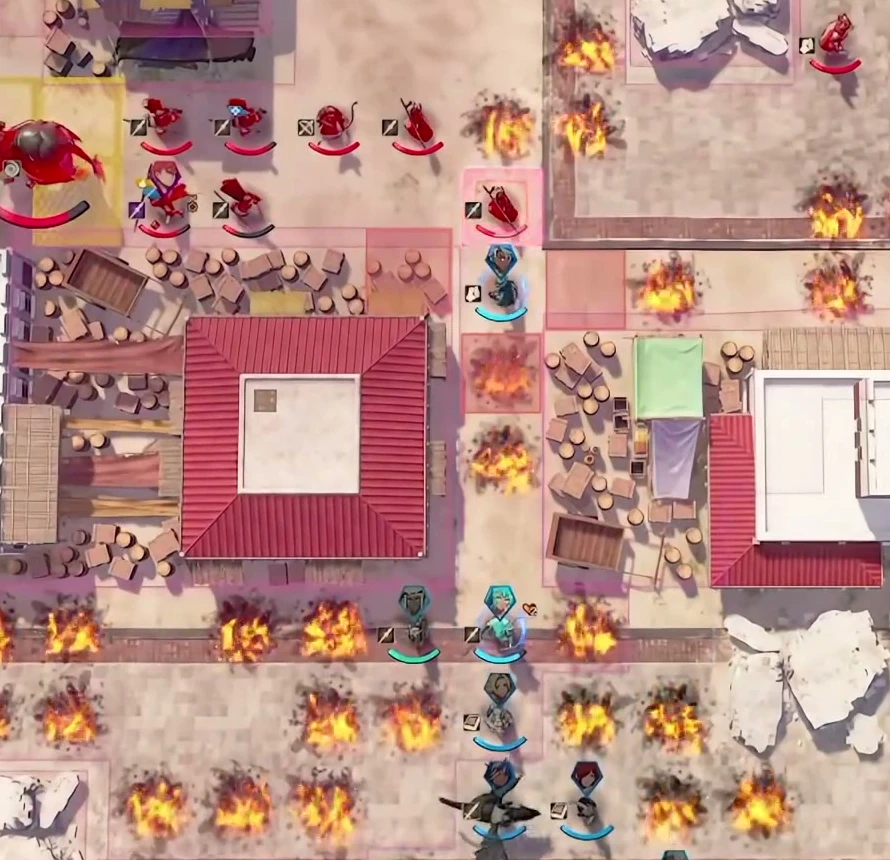
Build for the enemies in the next battle. Map space, reinforcement directions, and spreading fire determine whether to concentrate or divide your forces.
Original video: “9.4 | So many wonderful women in Dagda — Fire Emblem: Fortune's Weave review [UCG]”; Bilibili creator UCG_Official. Watch the original
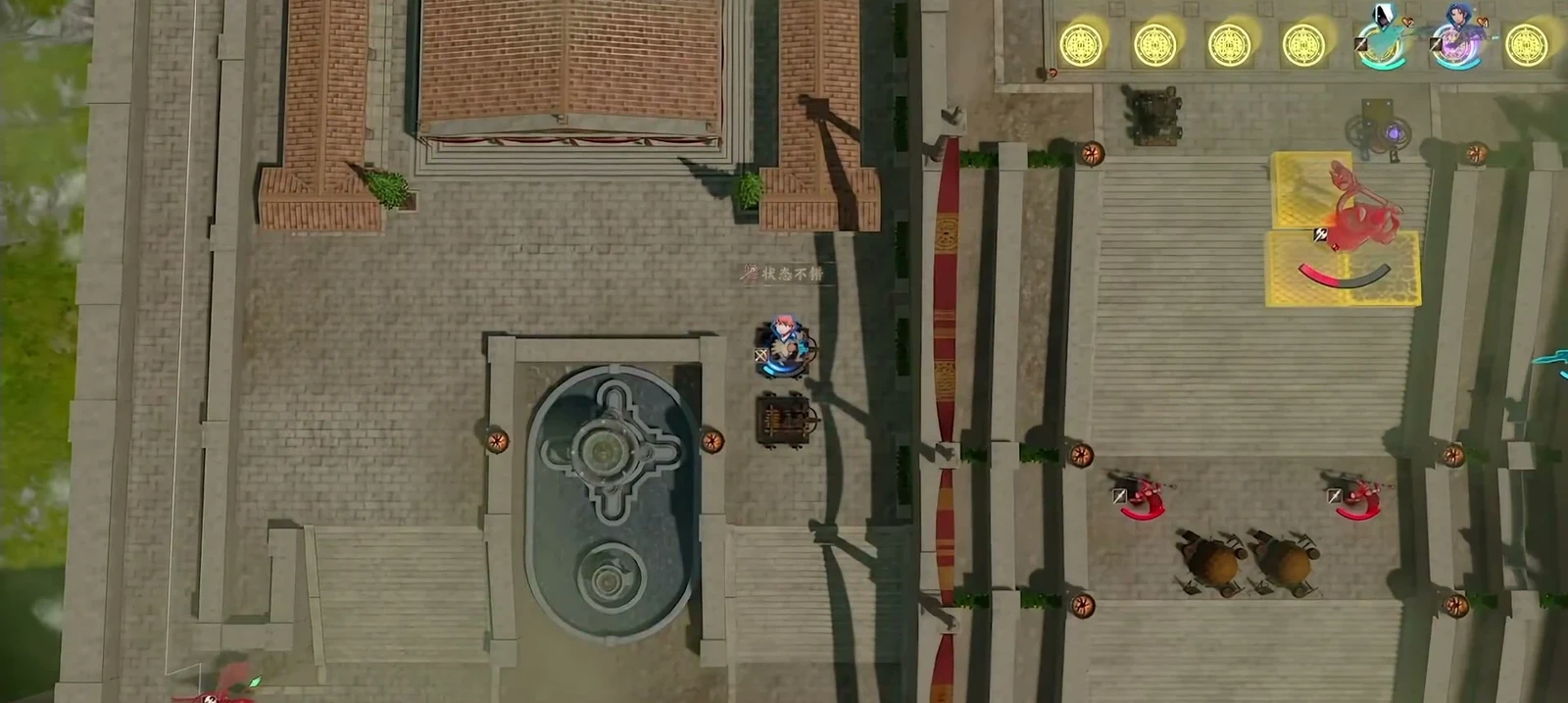
The imperial capital has open districts and reinforcements closing in from all directions, favoring a tight group that falls back together. The kingdom city has narrow streets, barricades, and fire, making divided forces better at securing local advantages.
Multiple routes reveal the truth, but missed quests mean restarting
I originally intended to spend a week seeing one ending, but finishing a single route took nearly sixty hours. Different viewpoints reveal new parts of the same truth. Characters recruited, rescued, and developed earlier also carry more weight when they regroup later.
The single save makes missed quests especially painful. A quest may be right in front of you with too little time left, and fixing that means restarting the chapter and spending the time again.
Plan the schedule around battle intelligence
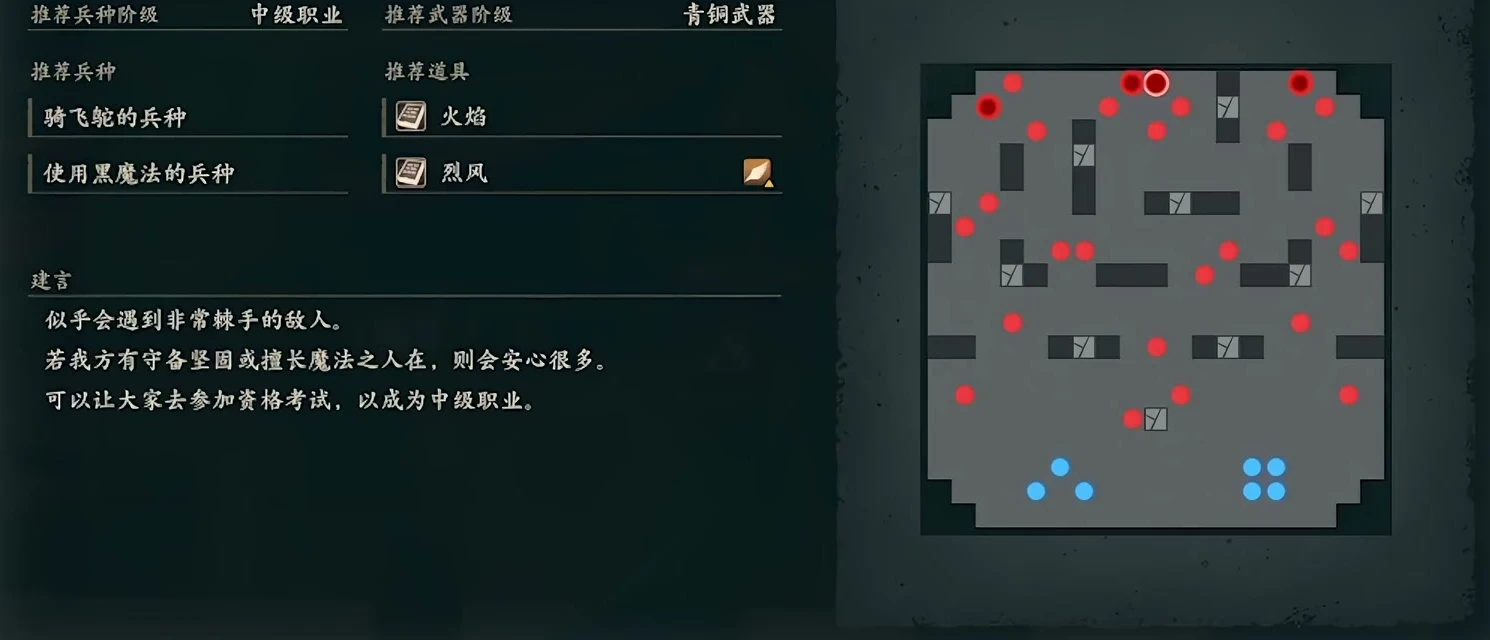
You begin with only a few companions. Expanding the team requires gifts, meals, quests, and Renown. Once the team comes together, preview the next main story battle's enemies, recommended classes, and equipment to identify whether you lack development, gold, or counter weapons.
Before leaving town, calculate round-trip travel, exploration time, and quests you can turn in along the route. Add training and meal discounts to the calendar. Completing small objectives along the way makes development feel substantial.
Different protagonists have different tools, and gains from earlier routes encourage new builds for the same character. Another route therefore offers more than repeating identical development.
Deploy according to the map objective
Dungeon chests, Clashes, and resource gathering all prepare the next main story battle. Once on the grid, objectives vary. A protagonist may be imprisoned, requiring two groups to advance together and unlock the way. Another battle asks you to defeat giants first while disrupting rivals.
I enjoy the pressure of Hard Classic. Keeping everyone alive puts earlier builds, terrain knowledge, and weapon preparation to use. One strong team simply pushing forward is not enough.
City terrain determines whether to group or split
The imperial capital has open districts, with reinforcements gradually surrounding you from every direction. Advance together, assign units to counter the opposing classes, then fall back to favorable terrain such as the temple stairs. Use a few strong units to hold enemies off, let them spend resources, then push forward decisively. The battle feels like a strongpoint defense and a war of attrition.
The kingdom city instead combines narrow streets with widespread barricades, leaving little room for the whole team to defend together. Fire breaks out midway, reducing available positions further. Yet the same paths constrain enemies, so splitting up lets you establish advantages in separate small spaces.
The appeal is that two urban battles demand opposite formations. Breaking a difficult overall situation into several winnable local fights, then gradually expanding those gains, creates the pleasure of command.
Weapon durability and Divine Sand costs
Sword follow-ups, lance effectiveness against cavalry, and axes' minimum damage floor give weapon swaps clear purposes. Normal attacks cost no durability, so effective weapons can repeatedly fill specialist roles. Combat Arts consume durability, requiring a choice between a powerful kill now and saving special effects to suppress a strong enemy later.
Blaze Arts trade HP for area damage and powerful effects. Entering the enhanced range gives benefits, but filling the gauge removes the enhancement and lowers maximum HP. Gauge control is itself tactical. Blessings and Rewind also share Divine Sand: spending it on Blessings now leaves less for rewinding later.
Development fills gaps in the team, and combat tests those preparations. That cycle is what keeps me wanting to play.