

Games dedicated to the gods: Why the underground prison may connect to the revival ritualMajor spoilers
Starting with a tournament meant to awaken the emperor, follow divine offerings, funeral games, and underground logistics to ask where the ritual might be altered.
Original video: “Is Balor switching the ritual? Games dedicated to the gods and the underground prison — Fortune's Weave worldbuilding analysis” | Bilibili creator Tianluo
The Heroic Games are both a tournament and a ritual to awaken the emperor. If body, soul, and power can be prepared separately, one possibility follows: someone may have replaced one component, turning the intended revival into an apocalypse.
Could the awakening ritual receive a different soul?
 Yang Jie describes the Heroic Games as a ritual to awaken the emperor of Dagda. That recalls
 Eshmel's creation: a body is prepared, a soul is summoned, and a weapon carries another power. If those elements can converge in one person from separate sources, could someone replace one stage of the ritual? Could the Demon God have used that opening to bring the world toward destruction?
The political meaning of games dedicated to gods
Games dedicated to gods were common in ancient Greece. Olympia was sacred to Zeus, with competition linked to temples, altars, oaths, and offerings from city-states. Returning champions received money, feasts, statues, and songs. Victory meant recognition before the gods, and their cities shared the glory.
Distributing sacrificial meat after a ritual creates a similar relationship. Receiving a share places someone within a political and ceremonial order. Hearing eastern and western teams announced at the Heroic Games also recalls sumo's ritual traditions. Competition can bring martial prowess, divine recognition, and social standing together.
Funeral games and the identity of the dead
In the Iliad, Achilles gathers heroes for games after burying his companion. The competition honors the dead while redistributing honor and standing among the living. Irish tradition likewise has Lugh hold an assembly and games to commemorate his foster mother. Divine games place winners before the gods; funeral games keep the dead person's name in public memory.
Applied to the game, those layers raise a question. The Heroic Games apparently have been held before, so why does this edition serve to awaken the emperor? Have the conditions finally aligned, or has someone made other arrangements? To find where interference is possible, look below the stands.
Underground logistics and patronage
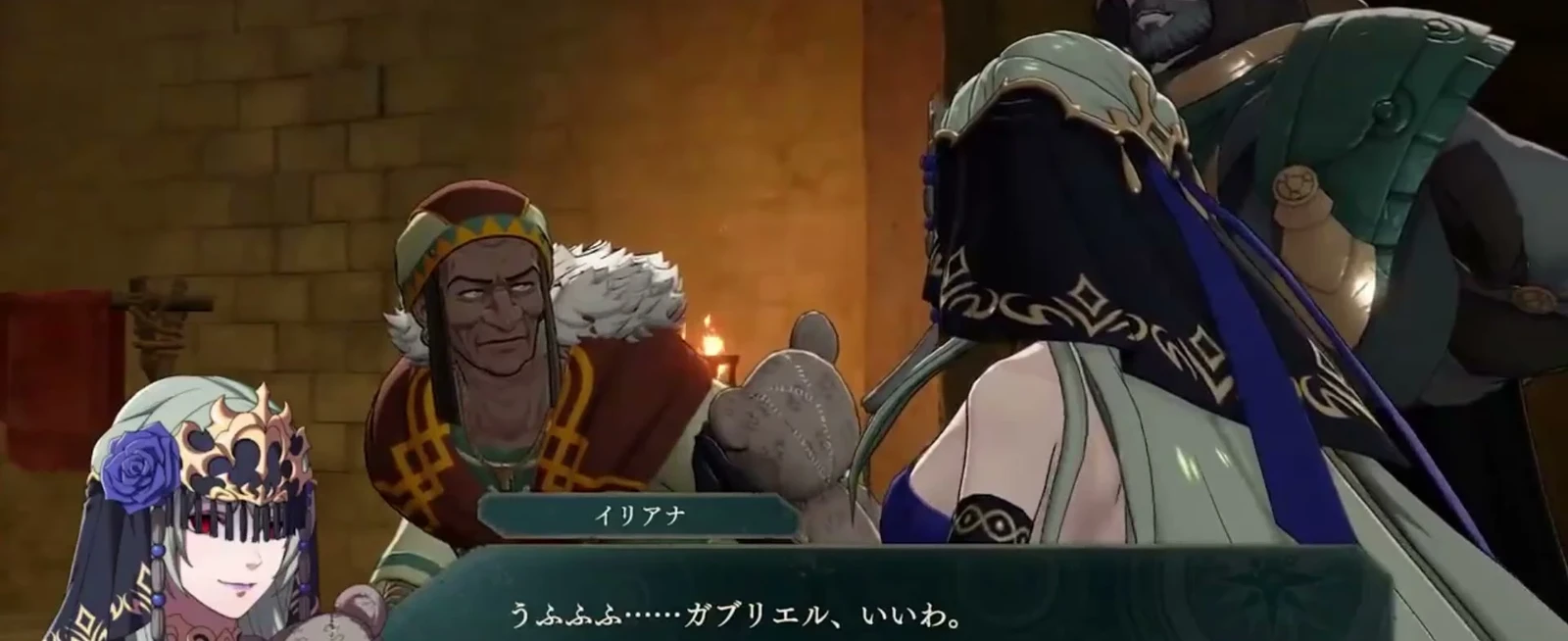
Lady Clivia sits beside  Solel while also holding considerable authority in the underground prison. Those positions form a suggestive combination. Beneath Roman arenas was a backstage system of passages, animal cages, lifts, and moving platforms that brought people, beasts, and scenery into view. Someone had to decide who stayed below, who went up, when they appeared, and in what condition.
Whoever controls that level encounters extensive information even without acting directly. Her patronage of  Bertrand then becomes more than simply knowing a fighter. Patrons provide money, status, and protection, while clients repay them with loyalty and service. This is another way control can reach an individual.

Body markings and imagery of resurrection
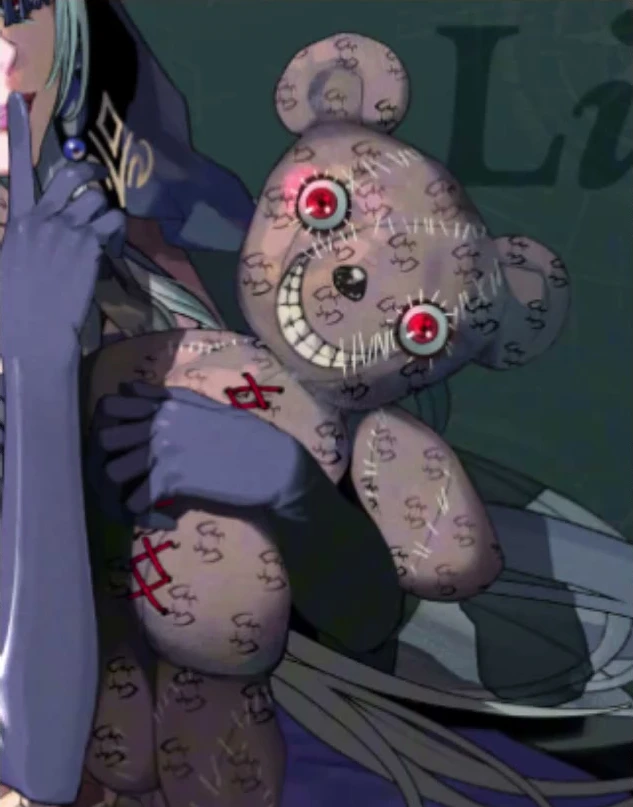
Bertrand's hair color and body markings change, while similar patterns recur on Lady Clivia's dolls. That makes me suspect transplanted power or bodily modification. Following clivia flowers, red dye, and stories of the Lady of Flowers connects images of flowers, the sun, the underground, and returning from death.
This leads to the Order of Mithras. Historical Mithraic mysteries often took place underground or partly underground. Feasting, initiation, and successive ranks can be read as a process of leaving an old identity and establishing a new one. Following that imagery, I suspect a deep connection between Lady Clivia and the order. The relationship between the sun god and Mithras in historical reliefs also brings her relationship with Solel back to the center of the question.