Why development outside battle makes all four routes more rewardingMinor spoilers
Pause between chapters to switch routes, then bring the four protagonists’ exploration and training specialties together so earlier investments have somewhere to pay off.
Original video: How much fun is Fire Emblem with fully developed activities outside battle? A detailed look | Bilibili creator Gamker
The way exploration, development, and the main story connect is the most appealing part of this run. You can switch between the four routes midway, and choices made during preparation pay off in later maps.
Battles test the preparation you put into development
I have played for over a week, nearly one hundred hours, and still have not finished everything. The game is certainly large, but what keeps me playing is how exploration, development, and combat connect. You prepare during free time, main-story maps test that preparation, and the plot advances afterward. One turn follows another, and it is hard to stop.
Three parts and converging routes
 Cai,
 Dietrich,
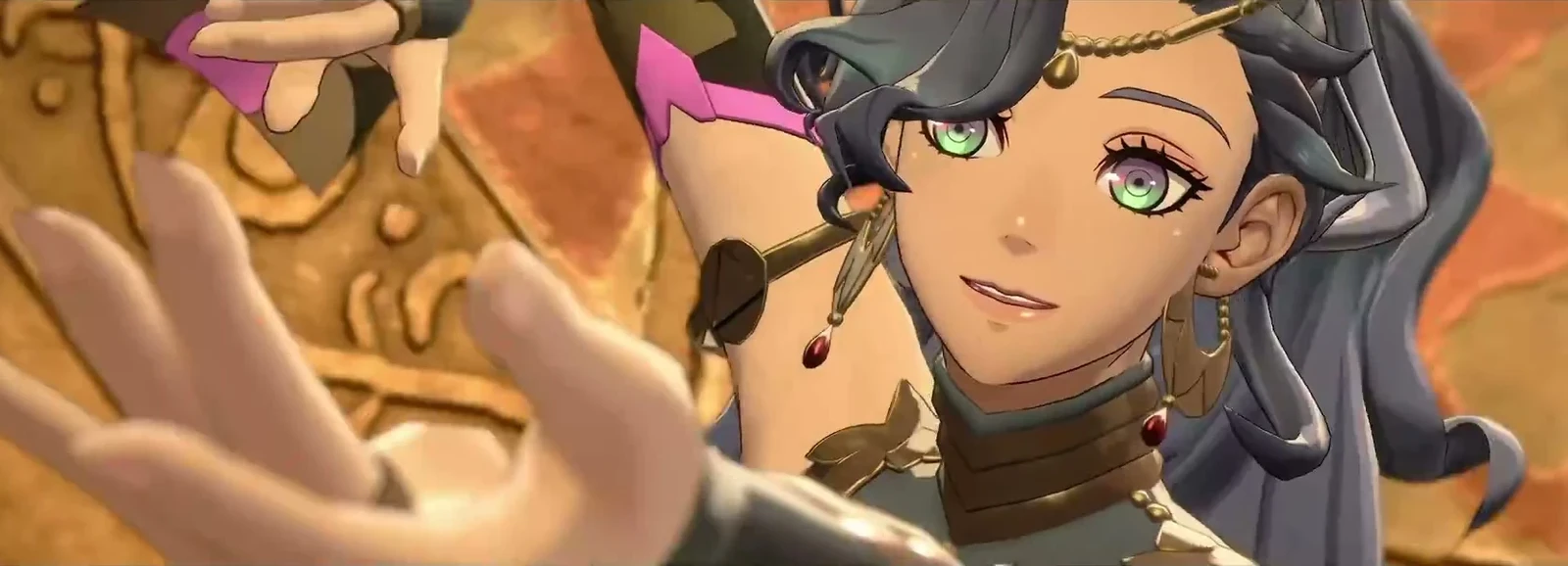
 Theodora, and
 Leda each have their own Part 1. They encounter shared people and events, but each route mainly tells its own story. Even battles between the same sides can play differently. Each character averages about twenty hours, or longer with thorough training.
Part 2 covers a shared event involving everyone. Choose one protagonist's data to continue. After clearing it once, other protagonists can skip that section and receive experience. Part 3 finally reconnects with the prologue: anyone whose route you completed can appear here with their companions.
My favorite feature of this structure is pausing between chapters to play someone else's story, then returning with the original content and progress intact. Once I see an ending, my enthusiasm for further exploration often falls sharply. Being able to fill in other viewpoints before the final clear makes multiple routes far easier to approach.
Story details complement one another across routes
One protagonist wants to save his father, one thinks only of battle, one bears the weight of country and faith, and one seeks revenge. They know different things, but gradually point toward the same secret.
For example, Theodora's story has a request to investigate a nighttime monster. It initially looks like an ordinary side quest; another route explains why the monster appears. In Leda's story,  Mu is looking for her mother when she suddenly picks up gauntlets and joins a fight. Another viewpoint explains why she is so strong. Details that line up across stories add layers of discovery to a classic heroic tale.
Town weeklies and the turn budget outside
Meals, training, theater visits, baths, and support conversations remain ways to build relationships. Many town interactions cost no preparation turns but can happen only once a week. Each action on the world map costs one turn, four turns make a day, and each chapter allows a different amount of free time.
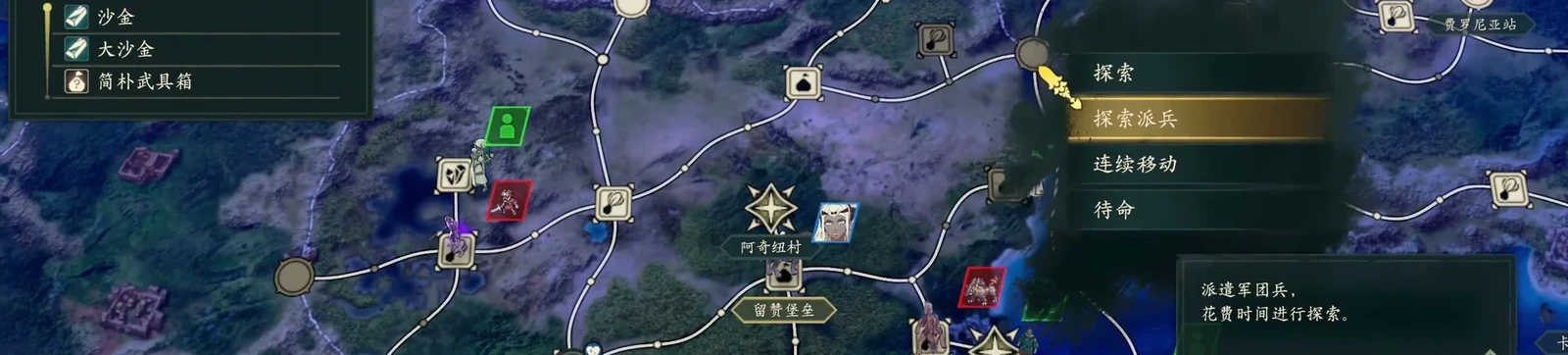
Decide where to go, what to buy, and what to farm before leaving. The map is large, fast-travel points are scarce, and facility discounts and temple upgrade days also affect your schedule. Exploration is part of development rather than a casual stroll between story battles.
Each protagonist's development specialty
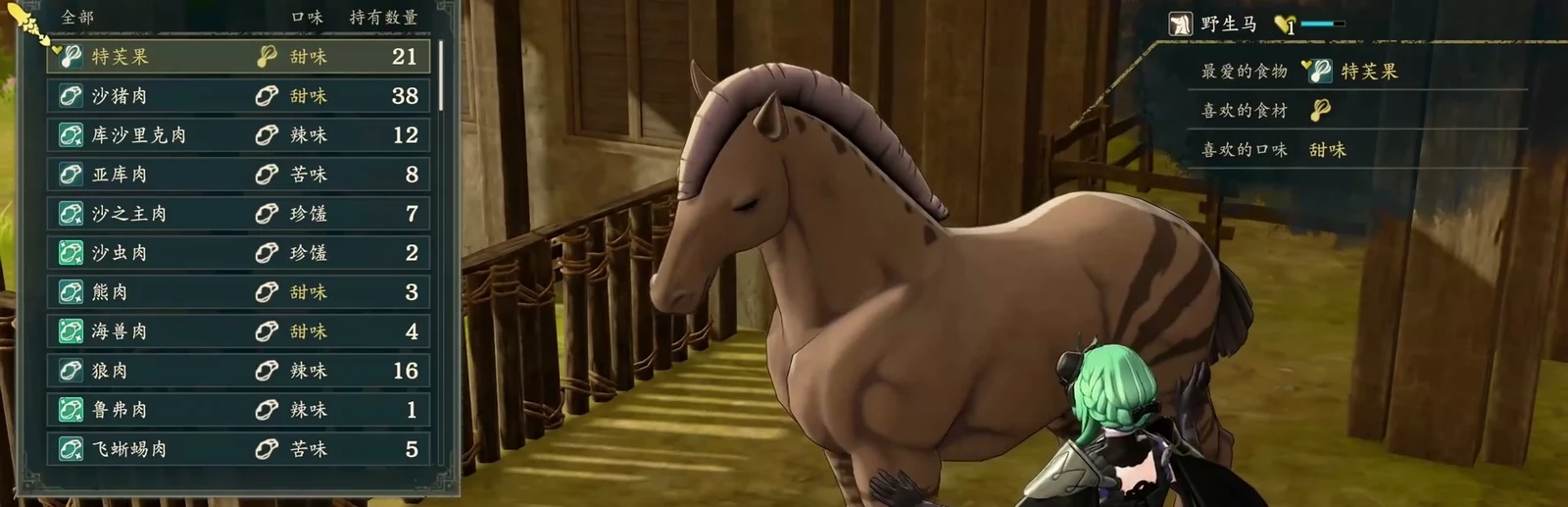
Cai farms and catches mounts, which provide extra stats after you build their affinity. Dietrich earns combat-art manuals through challenges, finds hidden enemies, and gathers materials to upgrade and teach techniques.
Theodora recruits battalions in towns, dispatches them to explore for resources, and assigns them to non-mounted units for stats and abilities. Leda performs for money, unlocks and upgrades songs, and mixes buff drinks.
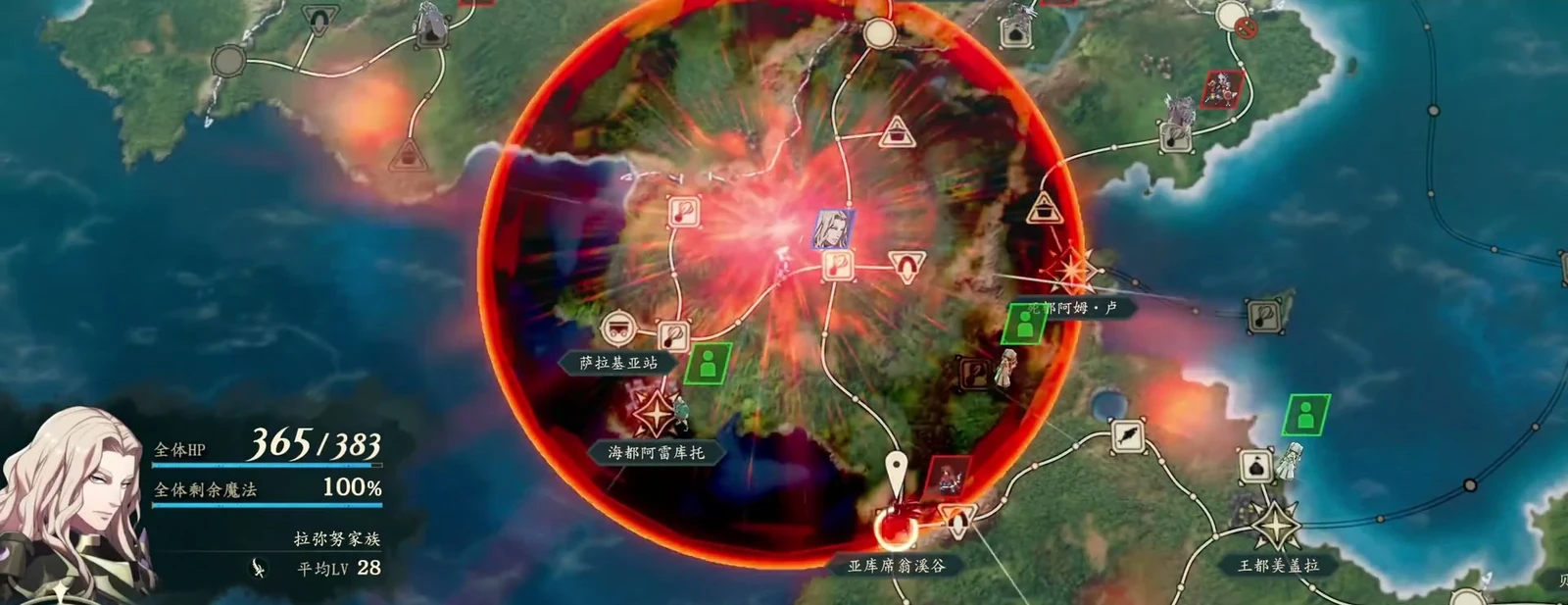
These specialties come together in Part 3. You can then form several armies to explore simultaneously, making each turn offer more choices while the map adds pressure to operate on several fronts. The more you trained earlier, the more you can coordinate later. It really feels like commanding armies.
Simplified cave battles are quick but lack variety
Cave encounters switch to simplified turn-based combat with a shared party HP bar. It is lighter than opening a tactical battle for every monster. Some outdoor enemies also use this combat in Part 3, changing the pace between world-map planning.
However, its strategy is shallow, and the cave design does not entirely suit my taste. Displaying your traveled path is convenient, but also reflects problems with getting lost and doubling back. Special designs such as navigating dark caves are more exciting. I wish there were more variations like that.
Weapon traits and combat-art durability costs
Normal weapon attacks do not consume durability; combat arts do. You finally do not have to hesitate over every swing. Magic still has limited uses, but more recovery methods make it a more flexible battlefield resource.
Weapons now differ through individual traits: lances have an advantage against cavalry, swords gain follow-up damage, and gauntlets favor Avoid. Thinking about each weapon's purpose feels more intuitive than memorizing another triangle.  Ornius Rider can cross terrain obstacles, while later elephants, chariots, and capturable, trainable mounts combine mobility and development in many ways.
Character stories bring the world beyond the grid to life
Each route focuses on a relatively concentrated core cast. Recruit extras as needed, and the number of supports never becomes overwhelming. Story maps offer strategic twists such as extinguishing lights or competing for kills, and some paralogues are even more interesting than the main story. People you helped return to help in Part 3, letting earlier actions bear fruit.
Character portraits and models also look closer to each other. Both handheld and docked play look much cleaner, and I often want to zoom in to watch battalions fight. Characters appeal through their stories as well as their looks, and those stories need a world behind them. The world map expands gameplay and makes the world beyond the tactical grid visible. That is what draws me in.