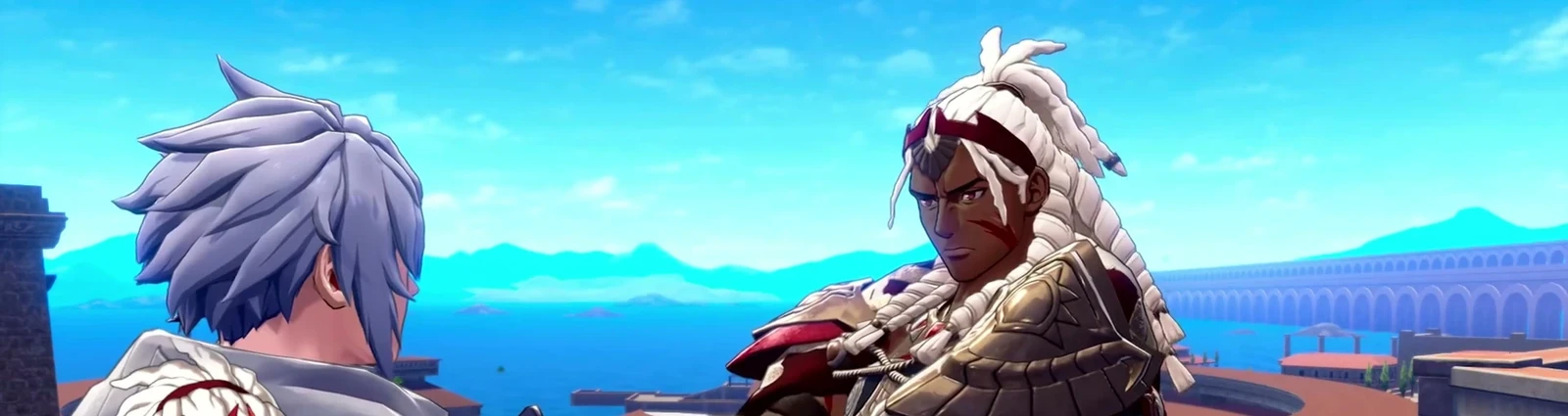
All-route review: Complete routes in sequence, then bring five armies into the final campaignMajor spoilers
Each route has its own story and development systems. Sequential clears provide conveniences and shared rewards, while timed paralogues demand careful return planning.
Original video: “Goudan's game review: Fire Emblem: Fortune's Weave—Giving everything” · Bilibili creator Tdogegg
The four routes differ in story and exclusive development systems. I recommend completing them one at a time, passing conveniences and persistent upgrades to later armies before bringing them together for the Promised One's multi-army campaign.
Completing four routes and experiencing the presentation
Finishing every route, side quest, paralogue, and recruitment took me nearly one hundred fifty hours. The standout achievement is that the four routes do not mechanically repeat the same opening four times. The beginning sends you into the past to find heroes, then brings all four sides together later. Each early route prepares for the final war.
Presentation has improved too. Conversation portraits have animated expressions, and prerendered scenes appear throughout the story. The music is particularly inventive: switching protagonists at the start smoothly changes the background music's style, and I spent a long time switching back and forth. Thirty frames per second remains disappointing, but the soundtrack surprised me in ways beyond simply sounding good.
Four stories and their exclusive development systems
All four protagonists enter the Heroic Games for different reasons.  Cai seeks and rescues family;
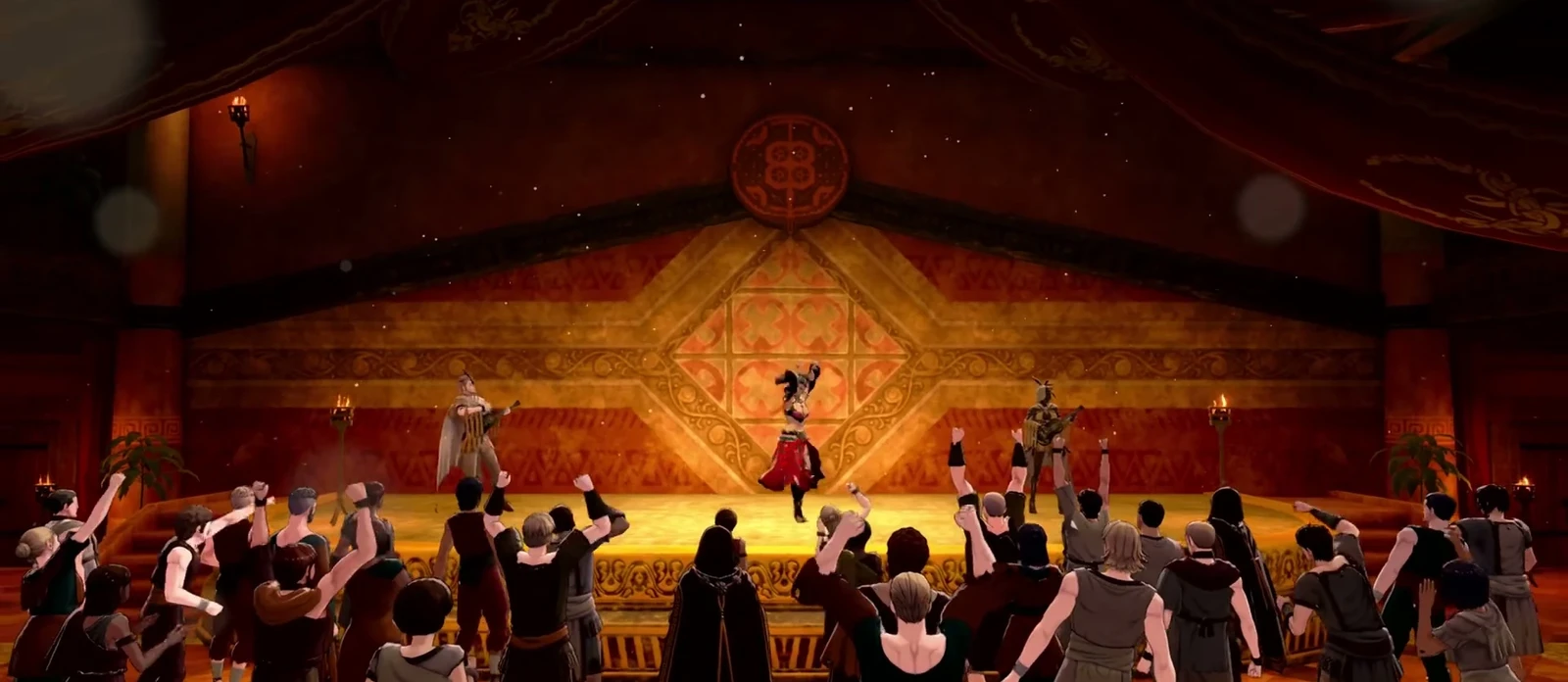
 Leda pursues a killer for revenge. Switching routes starts a new story while filling in unseen viewpoints. Something left unresolved on the queen's route may receive an answer on Cai's. A beast rumor that looks like an ordinary errand in town may find its explanation in another story.
Gameplay also follows character backgrounds.  Theodora recruits troops and equips battalions, Leda performs and mixes drinks, and
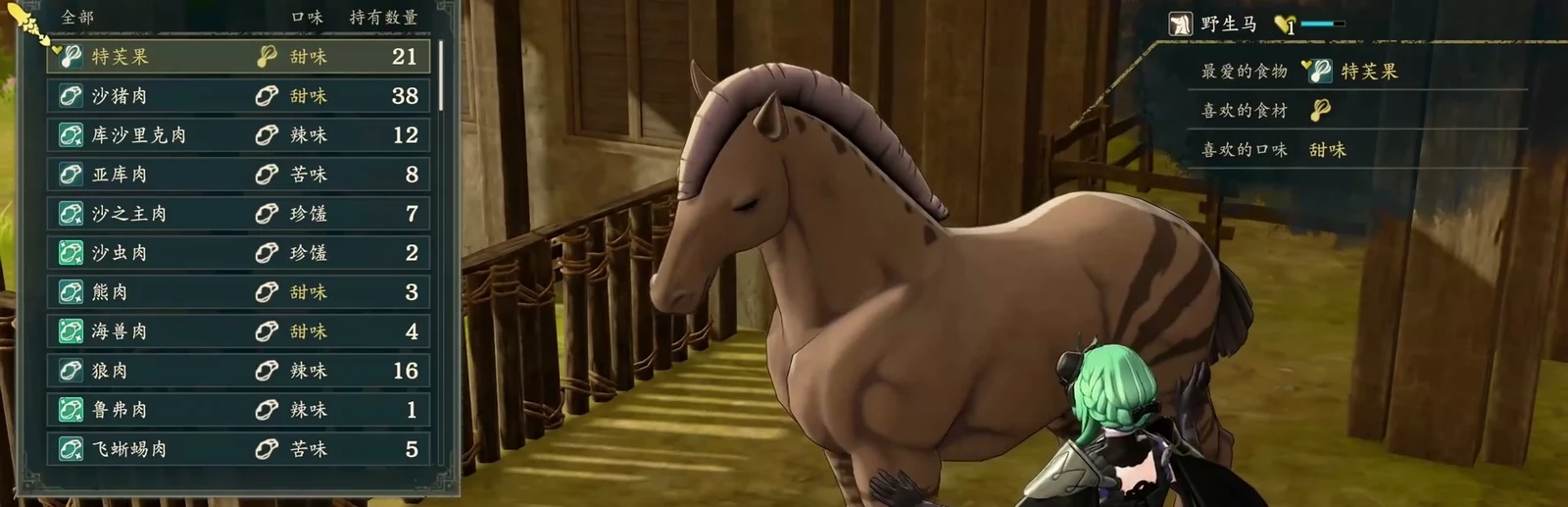
 Dietrich hunts powerful enemies outdoors and learns martial techniques. Those real differences in both story and development make finishing one route immediately tempt you into the next.
Sequential clears reduce repetition, and supports can be prepared early
After completing a side quest once, later routes can finish it automatically and receive its reward at the chapter's start. Paralogues do not need four separate clears either. Will skipping those battles leave your growth behind? Persistent progression covers that: achievements award tokens exchanged for growth, combat, and economic bonuses, making later armies stronger instead.
So advance through Part 1 one route after another where possible. Running all four in parallel delays the persistent benefits of completing a route and misses some of the conveniences. Part 2's major events become similar across routes. You can play one yourself and skip the others; characters still grow and arrive in Part 3.
Bond Levels are shared across routes too. Once you have handled current recruitment, start relationships for the next route. While playing Cai, you can invite Leda and two other people to eat. Once you meet the later Renown threshold, recruit them directly and save the time of giving gifts again.
Five-army operations in the Promised One's story
The prologue establishes a compelling goal: save people who should have died in the past and bring them into the future's final battle. That made me reluctant to give up any recruit and encouraged me to sort characters by arrival time and role in advance.
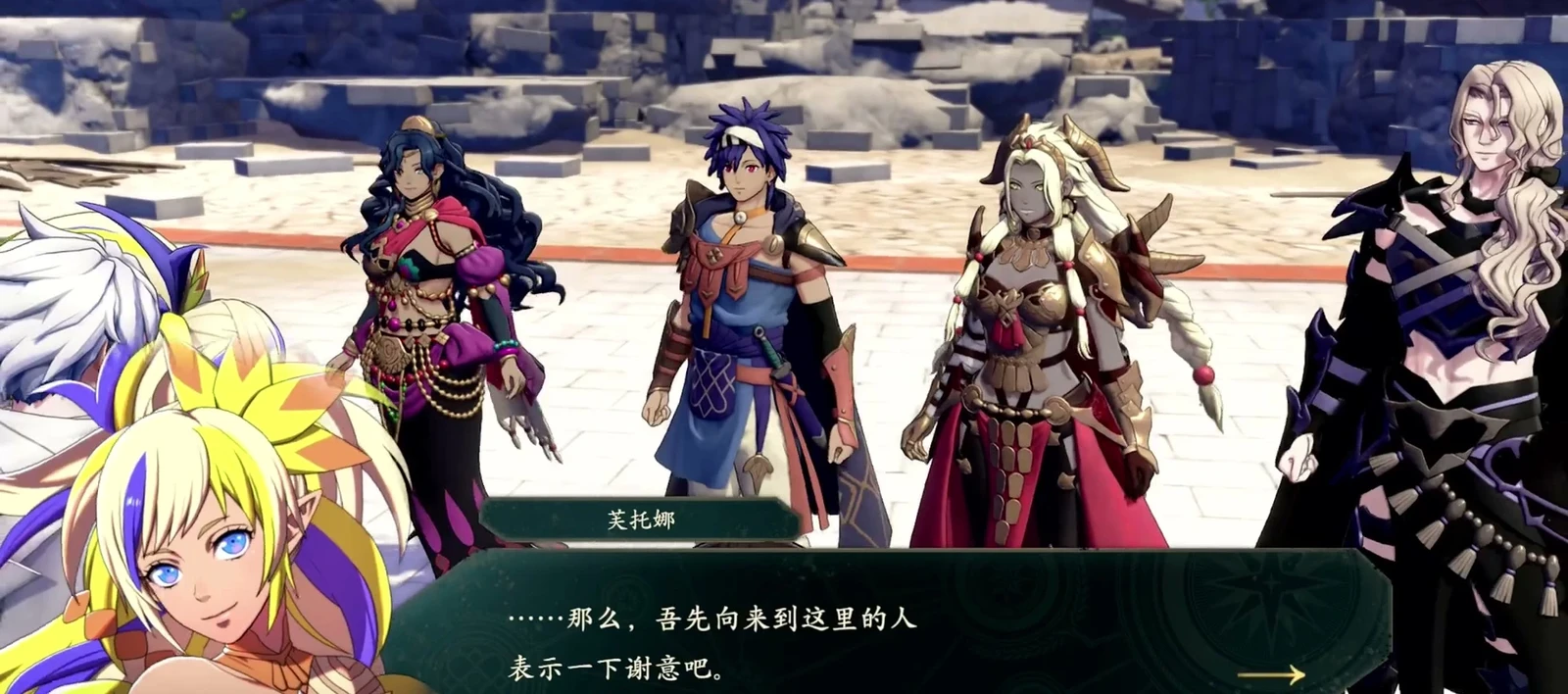
Meals, baths, and theater visits pay off. When the Promised One's story brings familiar people together in the imperial capital five years older, the previous hundred-plus hours with them gain meaning.  Guzran initially looks like a brigand who boasts all day, then starts cutting enemies down in one hit and grows into a memorable character.
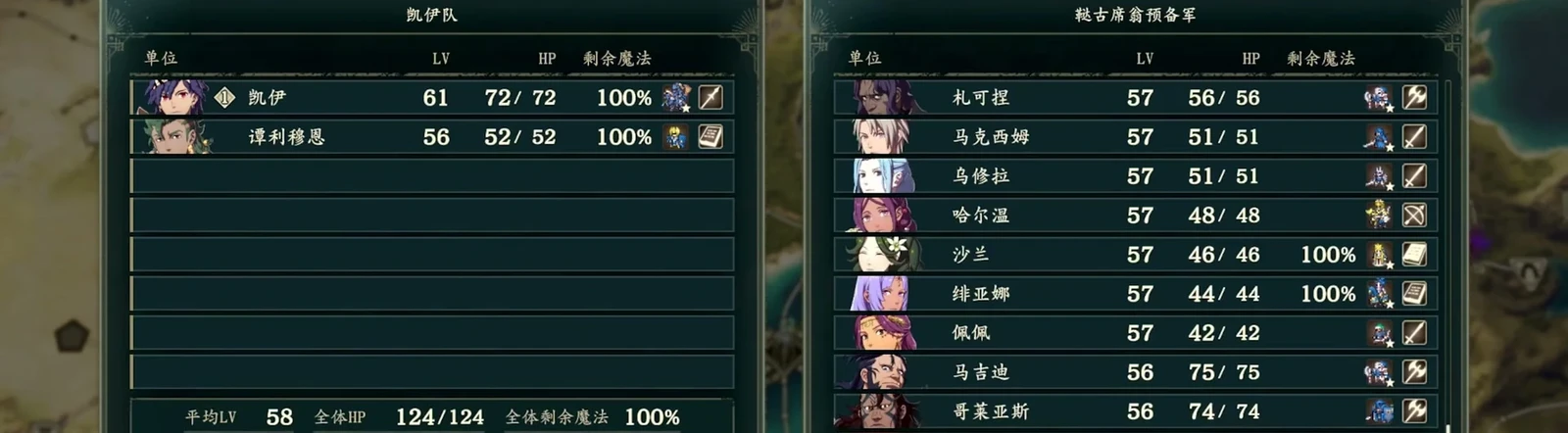
The battle scale then expands. One squad is enough for the first Underworld Gate, but as more gates open together, you can split into up to five independent squads of eight. Support, flanking, and interception all need planning. Of the sixty-three characters collected in this all-recruit run, the five squads provide forty deployment positions.
The four protagonists' exclusive systems also become shared. Give battalions to high-Authority characters, rare mounts to cavalry, and share drink mixing and combat-art upgrades. The people and resources accumulated early finally have somewhere to contribute.
Choose Blessings around each map's mechanics
The opening battles are fairly simple, but the four protagonists' final battles, nine paralogues, and later gate-breaking battles each have their own terrain and mechanics. The War story temporarily pushes daily development aside for consecutive tactical battles and a tighter pace.
Blessings particularly changed my mind. I rarely used them early, but the War story showed that they could rescue a bad situation or proactively break a stalemate. Army-wide damage reduction and healing on kills are powerful, while resources are limited. Choosing what to activate each turn and how to maximize it adds another layer of decisions.
Miscalculated returns and gaps in the story
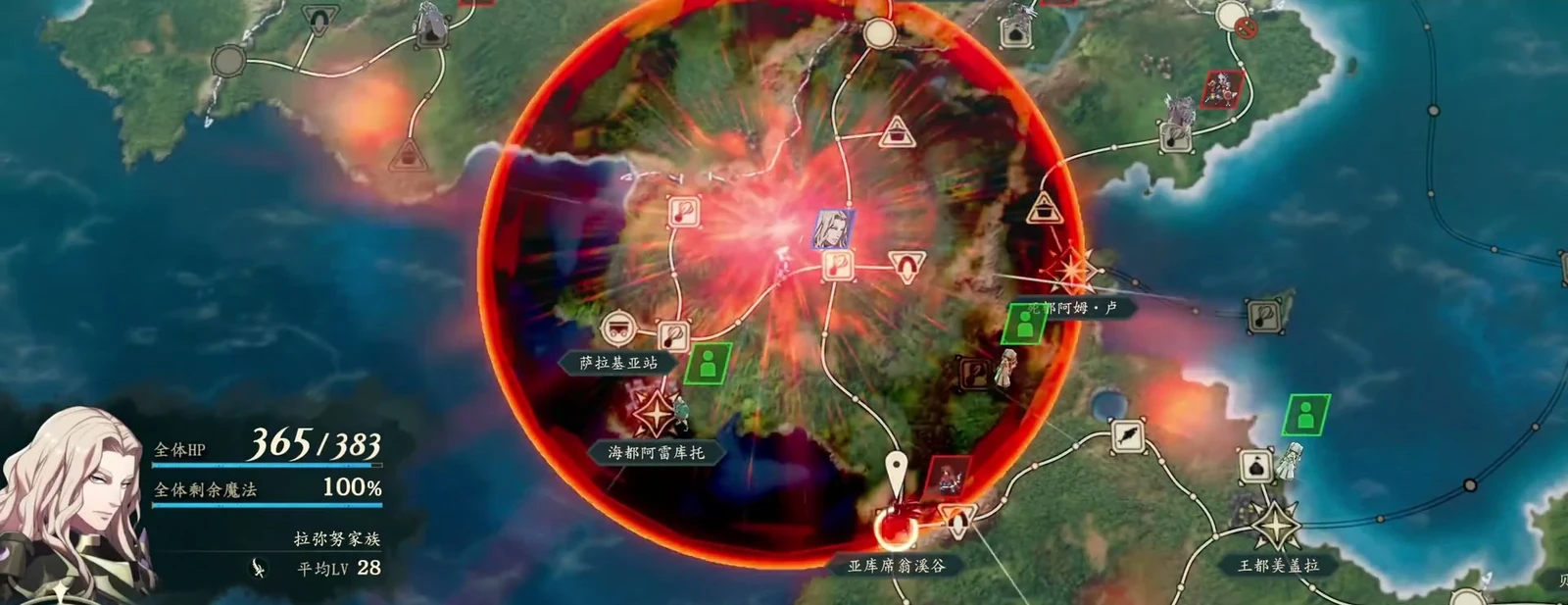
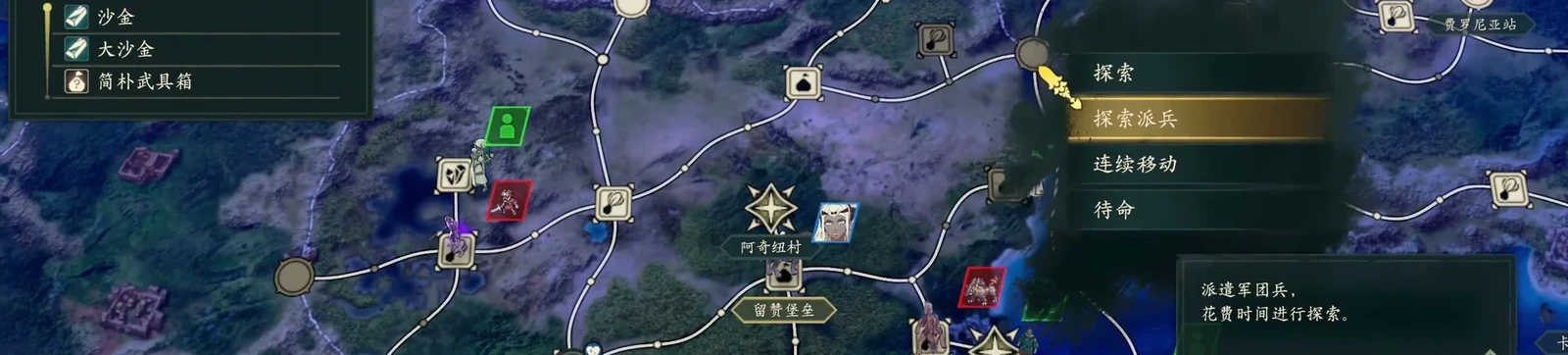
World-map and labyrinth exploration are not inherently burdensome, and Clashes can be skipped. The schedule causes the real tension. You want to return weekly for training and meals while accommodating paralogues available for only a few days. Opening the map makes you fear miscounting a single space.
It happened to me once: I was one turn short of getting home, the main story forced me back, and I missed a key paralogue. With only one save slot, fixing it meant restarting the entire chapter and replaying several hours.
Include the return journey in exploration plans. Being one turn short and forced back by the story can still make you miss a paralogue open for only a few days.
Some room to rewind on the map would prevent much of that frustration.
The story also leaves gaps. Some important events receive only a single line, and some information hides in dialogue tied to specific dates, locations, or characters defeating particular enemies. Too much remains unstated. On the development side, cavalry depending on Cai's mounts and some characters joining too late also feel unfortunate.
Even so, I slowed down before the final war. I walked through the capital and spoke to every companion, becoming reluctant to advance. The previous hundred fifty hours had prepared for this moment, yet standing there made the ending feel too close.