

Direct gameplay overview: parallel routes, Blaze Arts, and world-map explorationMinor spoilers
Switch between four fighters’ stories, with new chariot and elephant classes. Town development and outdoor Clashes form one connected loop.
Original video: A new Direct reveals huge amounts of content! Parallel routes and a white-clad protagonist changing fate through time; Bilibili creator Babarossa.
The four protagonists’ wishes
The setting is Dagda, south of Fódlan, where the Heroic Games attract contenders with the promise of granting a wish. Four warriors reach the same arena with different motives.
 Cai enters with his childhood friend to rescue his wrongly imprisoned father.
 Dietrich seeks strength, washes ashore after a shipwreck, and enters upon hearing of the tournament.
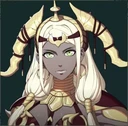 Theodora wants to restore her homeland’s faith’s reputation.
 Leda follows clues to her father’s killer.
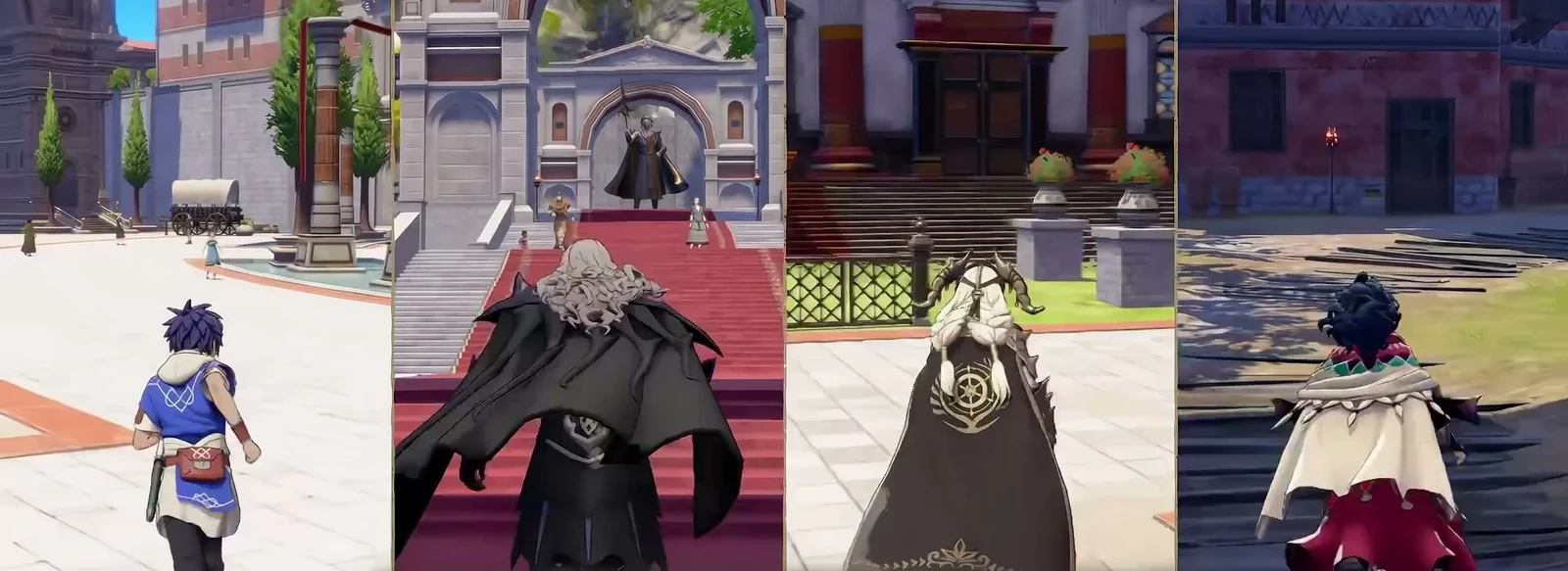
I expected choosing among four people to mean four separate playthroughs. Instead, the Direct reveals parallel routes. Switch protagonists at the mysterious white bird in town, with each story progressing independently. Follow whichever interests you first. This is exciting and reduces concern about replaying the same opening repeatedly.
Blaze Arts trade HP for powerful effects
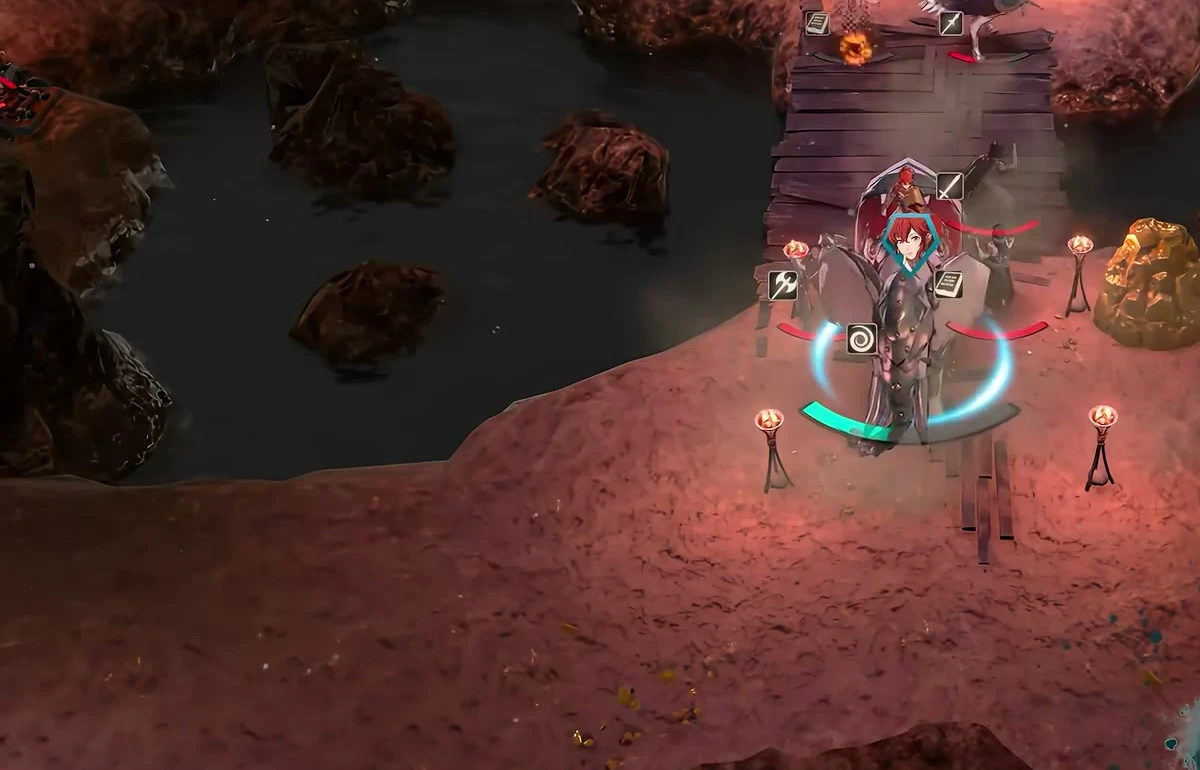
Combat arts still consume durability, while the four leaders gain soul-burning Blaze Arts. Cai releases fire over a large area, Dietrich teleports and attacks, Theodora throws rocks at extremely distant targets, and Leda plays music to strengthen nearby allies.
The footage also shows a large monster summon. Entering as a green unit, it can sweep through a group of enemies.
These powerful moves carry a life cost. Choosing when to use them directly shapes each leader’s approach.
Roles for chariots, Guardians, and Elephant Riders
 Ornius Rider is available from the beginner tier, with flying classes later. More than a class chart alone, I want to see what the new classes actually do.
Chariots charge and trample in straight lines.  Guardian combines physical and magical tools.
 Elephant Rider occupies a large area and launches wide charges. Wyvern classes also have their own mobility and weapon behavior. Distinct actions give stronger reasons to assign different people different team jobs.
Town development centers on match preparation
In town, eat, train, upgrade weapons, and accept requests. Class changes still require exams with visible success rates. Plan proficiency training alongside the class you want to qualify for.
Meals, tea, gifts, and hot springs connect relationships with recruitment. Parallel routes also make me wonder how characters are divided between teams. Early deployment sizes are small, and which side receives neutral characters affects later formation planning.
The tournament setting adds match viewing and opponent scouting, while temples let you serve gods who actually exist. Town activities develop more than stats. They prepare for the next match.
Outdoor exploration and the queen’s commands
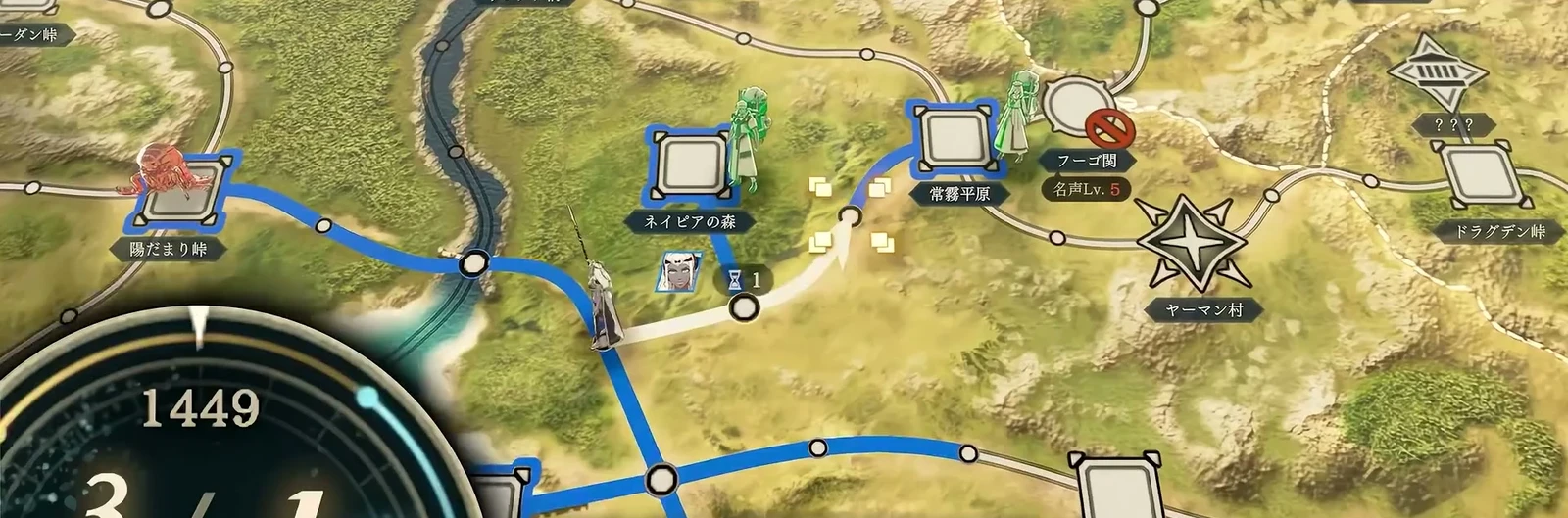
Travel across the continent to other towns and settlements for trade and conversations, with bandits sometimes blocking the road. Dungeons offer upgrade materials and treasures. Combat switches to Clashes without grid movement, varying the pace between exploration and full tactical battles.
The protagonists also have individual map commands. Theodora demonstrates recruiting soldiers and dispatching them for materials. This leaves me wondering how Authority, battalions, and battle gambits develop across the four routes. Those are the details I most want to see next.