

The appeal of alternating routes: Connecting clues from the same periodMajor spoilers
All four stories follow the same Heroic Games. Alternating routes helps you remember details, while weekly city activities can support a lighter approach to exploration.
Original video: “Its sheer scale scares me — Fire Emblem: Fortune's Weave”; Bilibili creator Lengmian Yexingxing IKGN; September 29, 2026. https://www.bilibili.com/video/BV1hza76HESo/
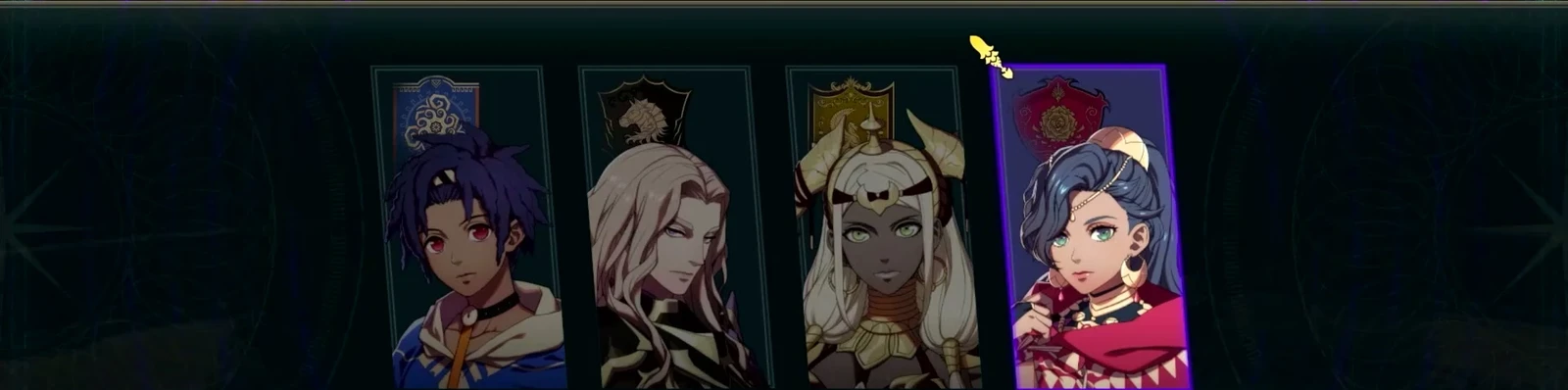
Four fallen souls set the story in motion
Fortune's Weave is an apt subtitle: the characters, foreshadowing, twists, and connections between stories are deeply intertwined. At launch I played more than eleven hours a day and still felt there was plenty left to see.
The opening takes the world to the brink of destruction, then confronts you with four powerful fallen souls. Only after defeating them do you learn that they are the four protagonists you are about to know properly. Returning to the past to change their endings immediately explains why you should play all four routes.
Alternating routes reveals connected clues
All four routes take place at roughly the same time, around the Heroic Games of 1449. Each lasts twenty or thirty hours or more. Finishing one before beginning another makes small details easy to forget. Switch characters during free exploration while recent events are still fresh, and you can more easily notice another side of the same event.
Registration is one example.  Cai,
 Leda, and
 Theodora arrive on opening day, 3/1, and can register officially.
 Dietrich arrives on 3/8 and must defeat an already registered fighter at the tavern. This also explains why Cai cannot enter the tavern that day. The mysterious
 Aswan whom Leda meets there has further clues in Cai's route. Many connections hide in small exploration events and become clearer when viewed across routes.
Different backgrounds change the same battle
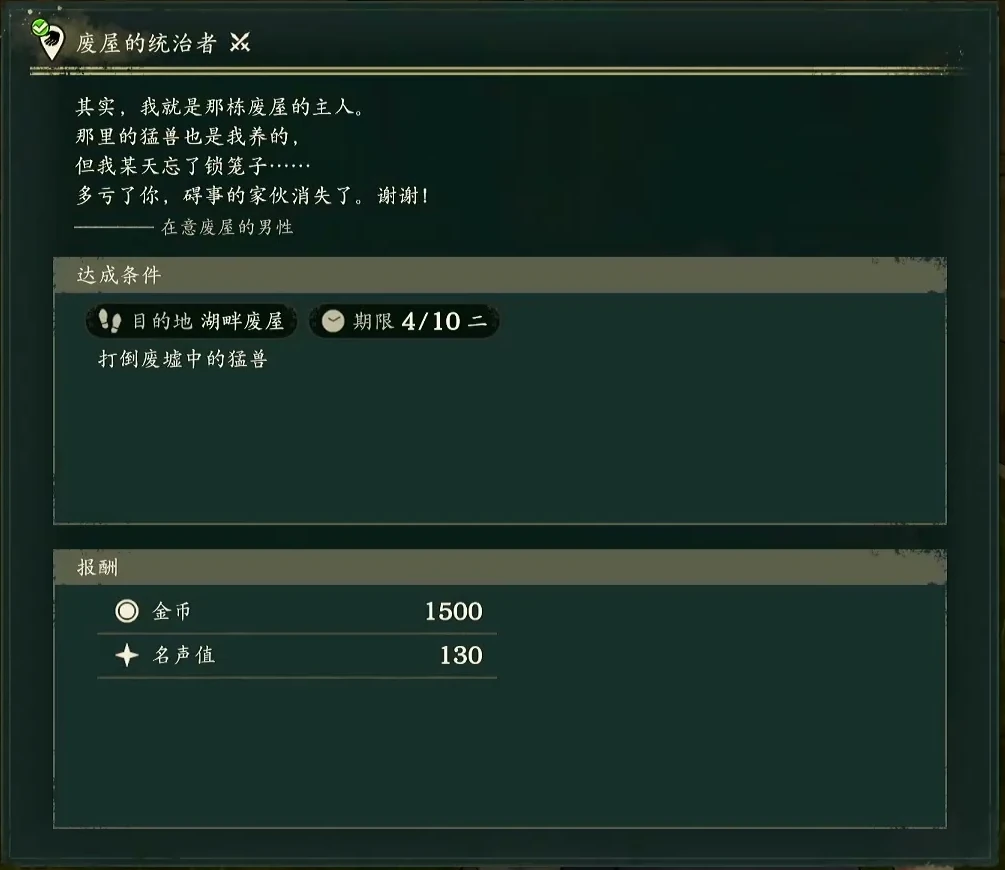
Recruitment lets you bring over members of other teams, even people who initially oppose you. The Heroic Games also introduce other fighters' distinctive playstyles, building anticipation for their routes.
When another character's story brings you to the same battle, knowing different preceding events changes the experience. The routes keep returning you to the same stage to see people from different positions, rather than functioning as four unrelated menu choices.
Each character's wish matches their unique activities
Cai enters to save his father, with a central trio that feels like a youthful adventure. His Renown begins with helping people he meets. Dietrich wants to face the sea monster again and earn a ship for distant voyages. His activities focus on seeking strong opponents and gaining Renown through battle, while the story examines fighting alone versus working with a team.
Theodora enters for her people. Construction, supplies, and settling disputes all connect to her role as queen. Leda, driven by revenge, performs in taverns and gathers information, giving her story a more itinerant feel. Story, cast, and activities are designed together for each protagonist.
City development supports lighter exploration
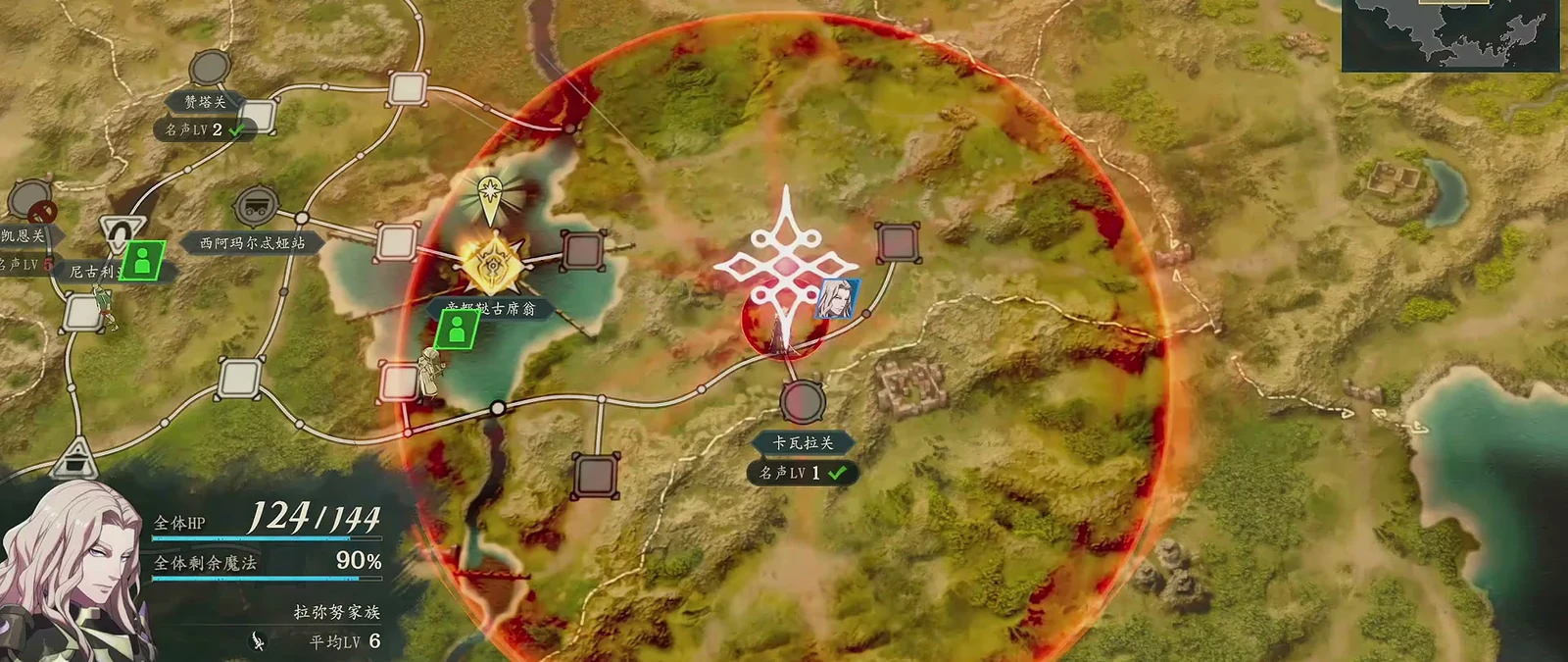
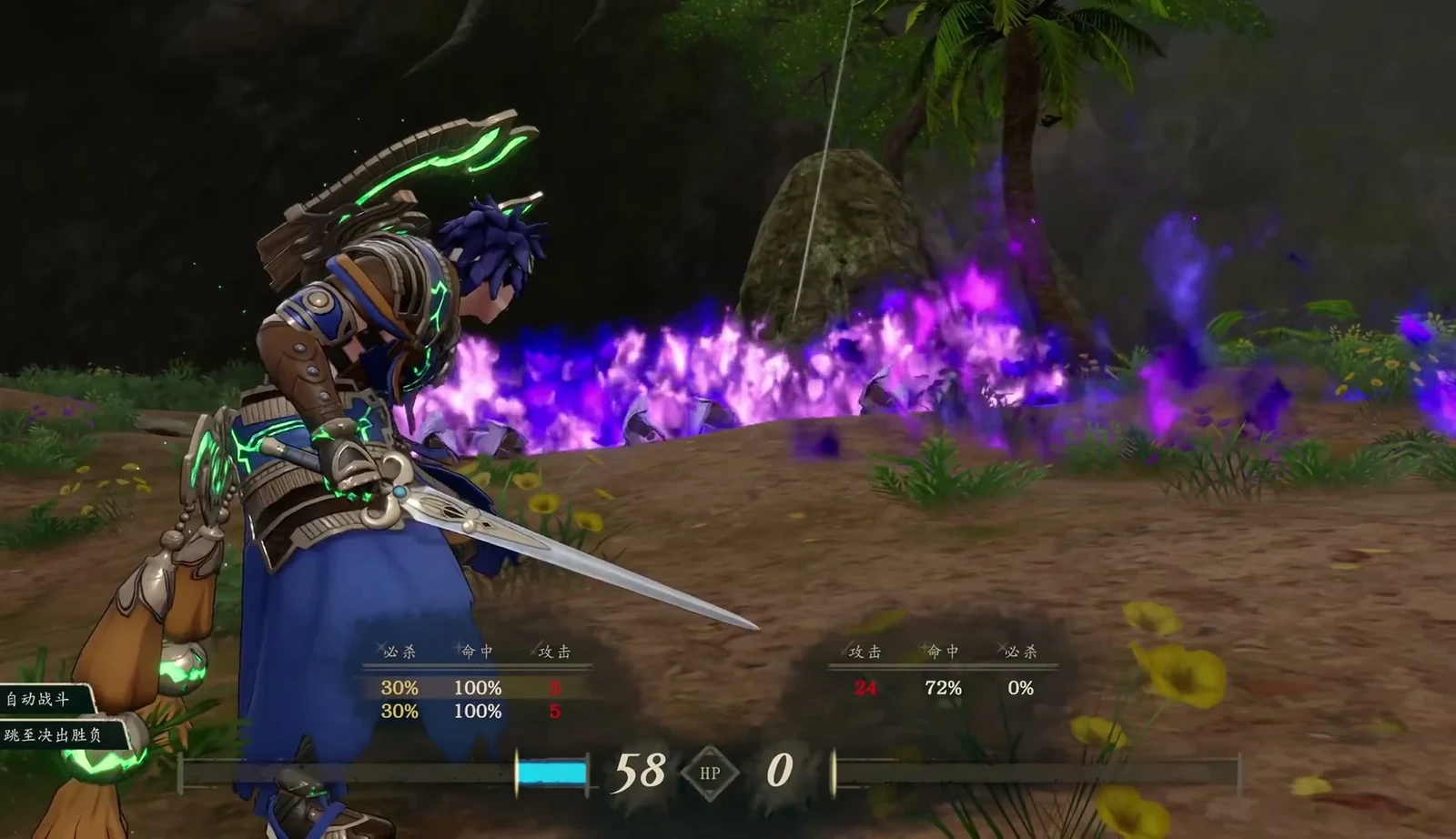
The four routes share a map and repeat some side quests, but you do not need to maximize every extra exploration opportunity. Complete weekly development activities in town and use automatic or skip options in field and turn-based battles to reduce repetitive input.
Main story battles demand more thought. Special mechanics, sudden events, terrain, and varied objectives require you to rearrange the team. Development goes beyond leveling and class changes, too. Story progress unlocks abilities, and unique mechanics change growth paths. Connecting these experiences makes it feel like several games packed into one cartridge.