

107-hour review: how the large late-game battles changed my opinionMajor spoilers
Part 1 spends a long time on preparation. Part 2 finally demands sustained tactical decisions, and Part 3 tests your earlier training with split forces and defense.
Original video: 107-hour completion review: the late game transforms the experience | Japanese gaming channel KENT for Nintendo Game Reviews
The turning point in a 107-hour playthrough
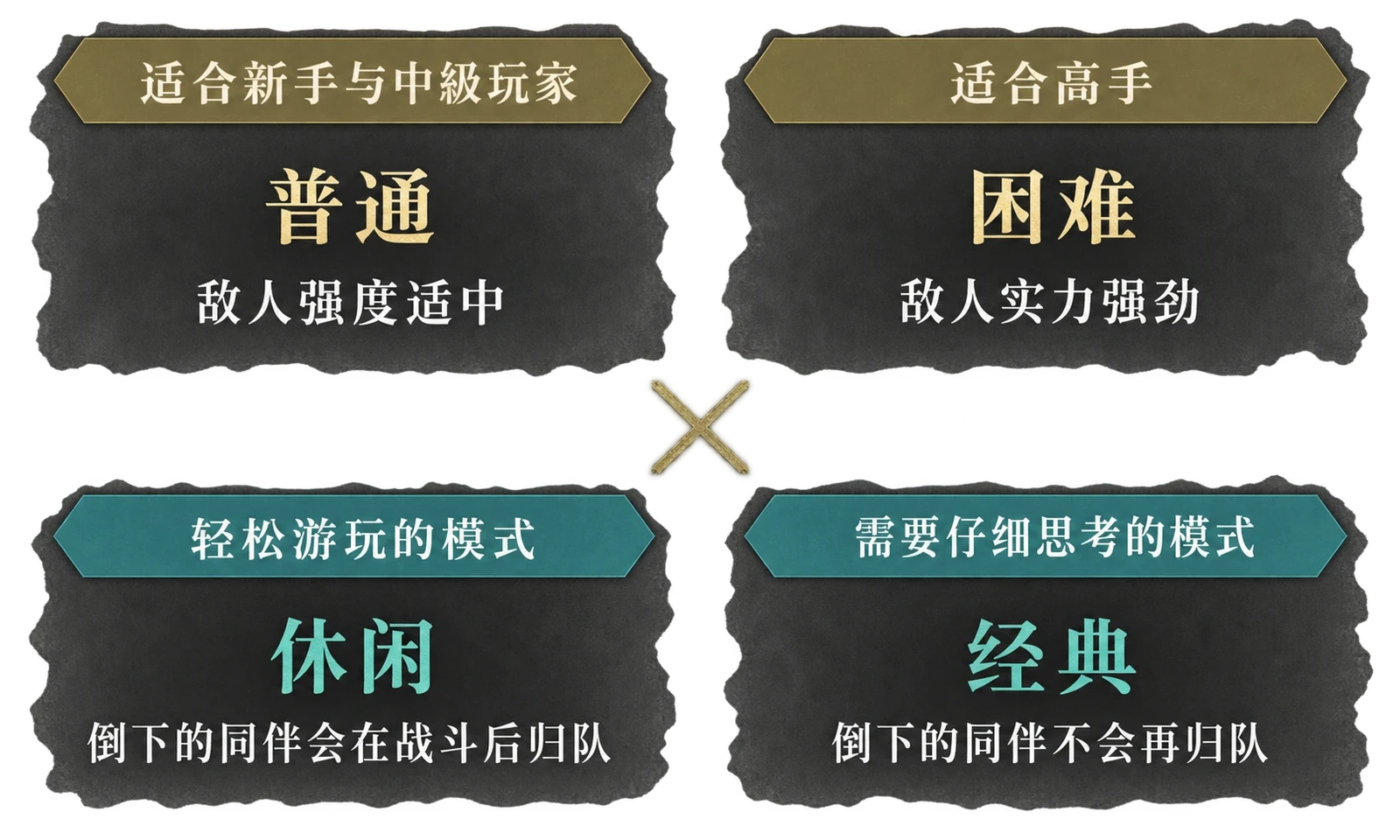
I played for 107 hours on Normal/Casual, completing Part 1 with all four protagonists, Part 2 with just one, and then Part 3. During the first dozen or so hours, I sometimes wondered what I was actually playing. Battles were scarce, dungeon Clashes were fairly simple, and recruitment, exploration, training, and collecting never seemed to stop. Late Part 1, and especially Part 2 onward, changed my opinion.
Each protagonist’s Part 1 offers a complete experience on its own, with a single route lasting twenty to thirty hours. But sheer size is not always a strength. If you come for tactical battles, you may spend a long time waiting for the part you want most.
The preparation burden in Part 1
I love Fire Emblem for two things: thinking through formations and growing attached to the people fighting beside me. But early map travel, gathering, dungeon runs, training, recruitment, and quests stretch the gaps between tactical battles. Dungeons resemble RPG adventures, yet mostly involve opening chests, gathering materials, and fighting simplified battles. Over time, that can feel like chores.
The tactical battles themselves are gentle too. You deploy few units against few enemies, and battles often end within ten turns, in about fifteen minutes.  Cai’s Blaze Art is also extremely powerful: spend HP to deal area damage at long range, and it solves many situations. All that preparation has yet to translate into equally demanding combat choices.
Large-scale engagements in Part 2
In Part 2, enemy levels suddenly rise alongside enemy counts, reinforcements, large units, and map mechanisms. In Part 1, you could tank or charge fairly freely. Here, you need to protect fragile units, put strong fighters up front, and decide which enemies to kill first and which to leave for later. You can deploy more units, maps commonly exceed twenty turns, and auto-battle no longer wins easily.
The pacing feels better too. World-map exploration steps aside, and after a story event you move straight into another tactical battle. A large battle can last an hour or two, finally shifting the balance from preparation toward combat. The story also becomes a war between factions. This is where I finally found the Fire Emblem experience I had been waiting for.
Attacking and defending strongholds in Part 3
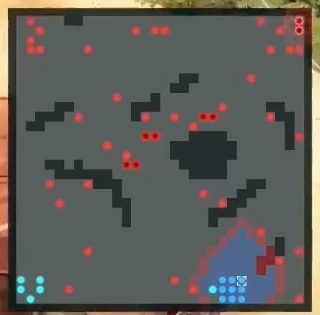
I tried Part 3 after finishing with two protagonists and still struggled. My forces were too weak, and I had to capture several bases while defending multiple locations. I went back, completed all four Part 1 routes, recruited more allies, and cleared paralogues. Returning was much easier. If you are new and want a steadier experience, prepare your team fully before entering. If you enjoy a challenge, you can attempt the demanding deployment with fewer people.
Part 3 is roughly as long as another Part 1 route. Each stage has several maps in succession, with many enemies and health bars and more allies available for deployment. It feels like a full-scale war. The world map, village reconstruction, and material gathering return, slowing the pace compared with Part 2, but I am very satisfied with the tactical battles.
A tragic beginning and an ensemble across routes
The prologue shows the tragic ends of all four protagonists. Once you return to the past, you want to know how they got there. Someone who seemed like an ally may stand against you on another route. A seemingly good person can become uncomfortable from another perspective. Those changing viewpoints build the ensemble.
Their goals are clear: Cai wants to save his father,  Dietrich seeks strong opponents,
 Theodora carries her homeland’s hopes, and
 Leda wants revenge for her father. But the competition can grant only one person’s wish. The better you understand them, the more complicated their defeats feel. I finished Cai’s route first, so seeing his wish go unfulfilled elsewhere really hurt.
The interactions between Dietrich,  Esmeralda, and
 Fabio are especially fun. The calm-looking one loves battle, the talkative one chases after him, and fierce ideas hide beneath a rational exterior. Their conversations kept me wanting to see more.
A slow start and restrictive saves
Free time means traveling, grinding levels, gathering materials, and doing quests. Assignments move time along quickly, but relying on them to skip preparation leaves your Renown and support behind. You miss the recruits you want and still struggle later. Power gaps between characters are also pronounced, so you naturally concentrate on a few strong units in the middle and late game. Support conversations are uneven too; not everyone receives the same depth of characterization.
Recruitment has Renown requirements, and the main story grants large increases. Expecting to recruit everyone immediately through scattered detours is not realistic. Raising support through repeated meals is slow as well. All those dishes were starting to make me hungry.
With only one save, missing a paralogue deadline makes me want to go back. You can replay from the chapter start, but a chapter may take two hours. You cannot return just a short way, so it remains inconvenient. I understand that the system tracks multiple protagonists' progress, but I still wish for several manual saves whose positions I could choose.
If you enjoy exploring slowly, training characters, and following the story, this much content suits you. If you expect dense tactical battles from the start, or dislike handling many small activities, Part 1 can be hard going. But from Part 2 onward, battles that make you think through every move and gradually turn the tide really are waiting.