

Advanced class rankings: Dancer, Guardian, and Bishop excel at extra actions and sustainMinor spoilers
For Parts 1 and 2 on Hard, prioritize what a class solves for your team. Evaluate growths with the character and mount included; even top-tier classes should not fill every slot.
Original video: “Fire Emblem: Fortune’s Weave advanced class tier list,” English channel Jay Dunna, 2026-09-28. https://www.youtube.com/watch?v=dHwnoUmXZ6Q
In the first two parts on Hard, I value Dancer’s extra actions, Guardian’s offense, defense, and healing together, and Bishop’s sustained healing most. Even top-tier classes need archers and fliers alongside them; do not fill the team with one role.
Shido sustain and Dancer’s extra actions
For Parts 1 and 2 on Hard, I put  Shido in A. Its high Speed and Dexterity connect critical hits with recovery, making it a good fit for
 Dietrich,
 Guzran, and
 Nezha. But ordinary teammates cannot treat a low-probability critical as a guaranteed kill. Calculate damage without a critical first, then consider the extra payoff.
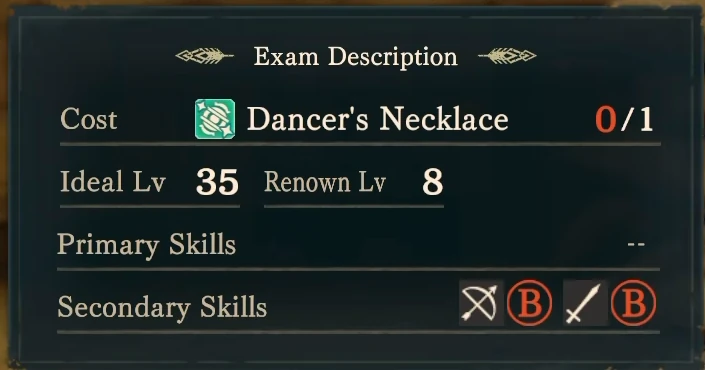
 Dancer goes in S for a simple reason: whatever you need this turn, it lets the best teammate do it again. An armored unit blocks the way? Let your mage attack again. Fliers approach? Let your archer shoot again. Someone is in danger? Let your healer heal again. The stronger your other units become, the stronger Dancer becomes.
Mastering Dancer also grants Dexterity and Speed to the unit receiving another action, and  Tialla’s Combat Art range also applies to dancing. Keeping
 Leda in the class works, of course, but later you can let someone else provide extra actions while she takes another role.
The growth rates shown include the base growths of the demonstration character,  Theodora. Do not copy the entire table as class bonuses.
Warrior builds Strength while Blacksmith adds magic
 Warrior has standout HP and Strength growths, and its mastery improves Combat Art hit rates. Characters like
 Tobias, who have enough Strength but struggle to hit, really want this. Archers can also carry that accuracy into ranged Combat Arts later. I give Warrior A, ahead of Shido.
 Blacksmith uses axes and dark magic, and its mastery has a chance to prevent Combat Arts from consuming durability. That feels great early on when repair resources are tight. But it splits development between Strength and Magic: it is less focused than Warrior in pure melee and weaker at casting than a dedicated mage. On Hard, I prefer damage I can reliably deliver, so it gets C. Saving durability also loses value as materials become plentiful later.
The three bow classes have different strengths
 Sniper’s accuracy bonuses suit
 Longbow and
 Deadeye, and
 Peter can also exploit extra Combat Art range. Its weakness is close combat. Carry a short bow and equip it before ending your action so you can still counter enemies that move adjacent.
 Forest Knight sacrifices some accuracy benefits for more Movement and sword access. When flying reinforcements circle behind you, its ability to rush back and deal with them is useful. Mounts can improve growths, so include the mount when comparing classes.
 Ranger emphasizes Speed to help reach follow-up thresholds, and it also offers
 Locktouch and better exploration. Its counterattack mastery is chance-based, so you cannot count on a counter every time. I place all three in B and personally prefer Forest Knight’s mobility. Their anti-air and ranged roles still make them worth bringing when your team needs them.
Guardian heals while heavy armor tanks physical attacks
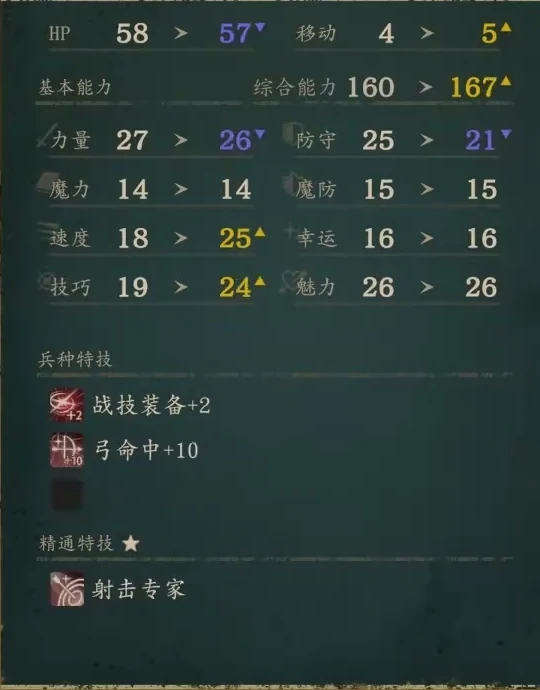
 Guardian is S. Lances and white magic share one position: it can attack nearby, use
 Pilum at range, and heal injured teammates. Characters with
 Physic or Warp in their spell lists are especially well suited, and increased healing makes that support stronger.
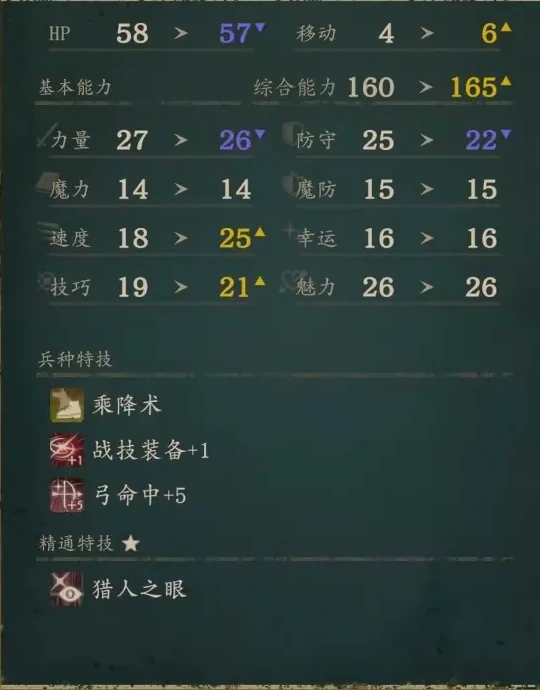
I give  Dreadnought A. It handles physical attacks very comfortably, with defensive and counterattack benefits when enemies initiate that suit frontline duty. Low Resistance is a clear weakness, though. Enemy mages can hurt it, and highly mobile
 Caladrius units can pursue it with dark magic while it struggles to escape. One armored unit makes your team much safer, provided you deal with magical threats for it.
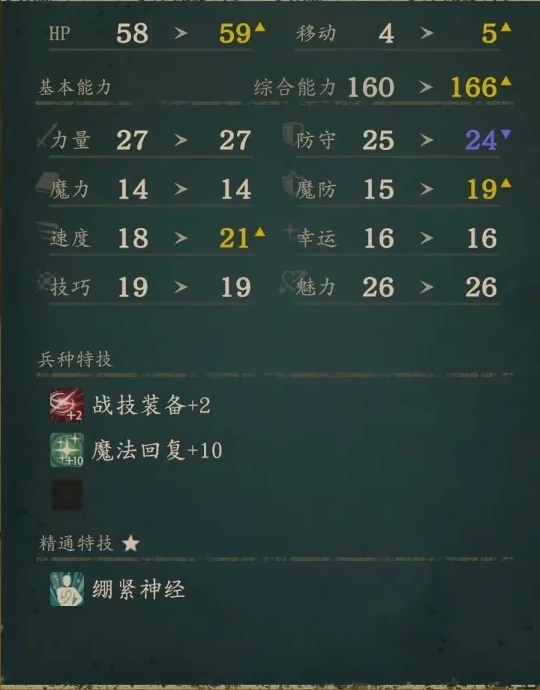
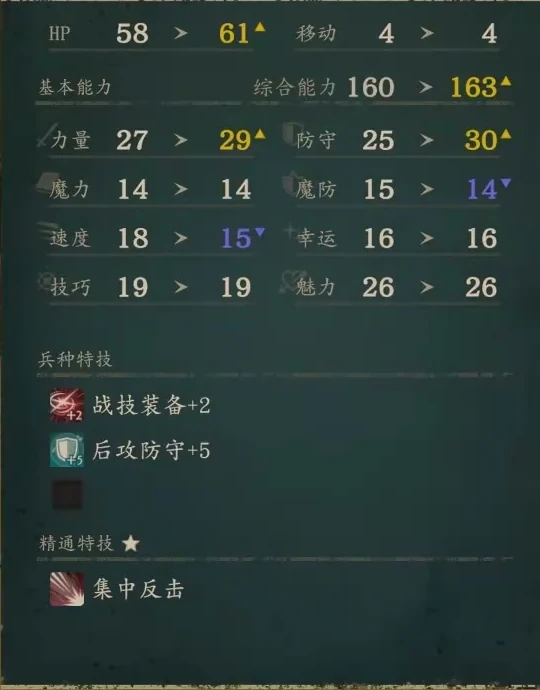
Cavalry needs mobility; chariots need a safe endpoint
 Bardinger has mobility, but its growths and other utility feel like a poor trade. Chance-based magic protection cannot reliably solve its durability problems either. I ultimately dropped it to D.
 Cataphract is tougher, with more suitable Strength, HP, and physical Protection, so it gets C. Both improve on
 Cai’s route when you have mounts you raised yourself. Consider dismounting when stairs stop you and dangerous lance enemies are nearby.
I included  Charioteer as an extra comparison and ultimately placed it in the top tier with Dancer, Guardian, and Bishop. Its growths improve with level, keeping it useful for a long time. Onslaught passes through multiple enemies, working well after Cai weakens an area so it can finish them together.
But do not charge deep into the enemy formation just because you can. Move to a suitable angle first, pass through weakened enemies, and ideally end near your teammates. Chariots cannot dodge. High Defense does not mean you can take every attack without thinking.
Caladrius and Dragoon exploit terrain
Caladrius makes its hybrid design work: more dark magic uses, weapons and a mount retained, and extra Movement after defeating enemies. Crossing obstacles lets it attack from angles infantry cannot reach. I give it A because its magic and mobility really do work together.
 Dragoon also leans toward A. Flying over sand and jungle saves huge detours, and it gains accuracy against enemies on favorable terrain. The cost is bow effectiveness, which can easily get it killed on Hard. Check archer ranges, then use flight to find your position. That is how you play this class.
Ovate offense and Bishop healing
 Ovate gains dark magic uses and accuracy while retaining white magic. It suits characters like
 Sirocco, who want both damage and healing. Use dark magic against armor and heal when needed: it has a complete toolkit. I put it high in A. Durability is its weakness, so it needs protection.
 Bishop emphasizes sustain, doubling white magic uses and increasing healing. I see HP as a resource teammates spend to defeat enemies. Battles cause damage, then more reinforcements arrive. Restoring that resource lets you keep fighting. That puts Bishop in S. When you split your party, having a healer in each group matters more urgently than a little extra attack on the stat screen.
Troubadour’s mobility and spell trade-offs
 Troubadour has Movement and group buffs. Its courage song improves Dexterity and Speed, and Tialla can extend the range of these Combat Arts. I like having it keep pace with the front line while carrying spells. But it lacks Ovate’s and Bishop’s doubled spell uses, losing their specialized damage and healing benefits, so it gets B.
In the end, I still rank Dancer above Guardian. Using your strongest unit again is incredibly hard to replace. Yet a team cannot simply stack the highest-tier classes. I tried an all-Guardian team, and it did not work well. Bring bows when you need anti-air and fliers when you need to cross terrain. Frontliners, magic, healing, and extra actions together make a complete team.