

Worldbuilding analysis: a Mediterranean mosaic in arenas, places, and namesMinor spoilers
Arenas and chariots give the world its classical shape, while sea myths and revenge stories connect its place and character names.
Original video: The real-world inspirations behind Dagda revealed! A major worldbuilding analysis across two Fire Emblem games, part two | Bilibili creator Tianluo luo
Tournament festivals and political power
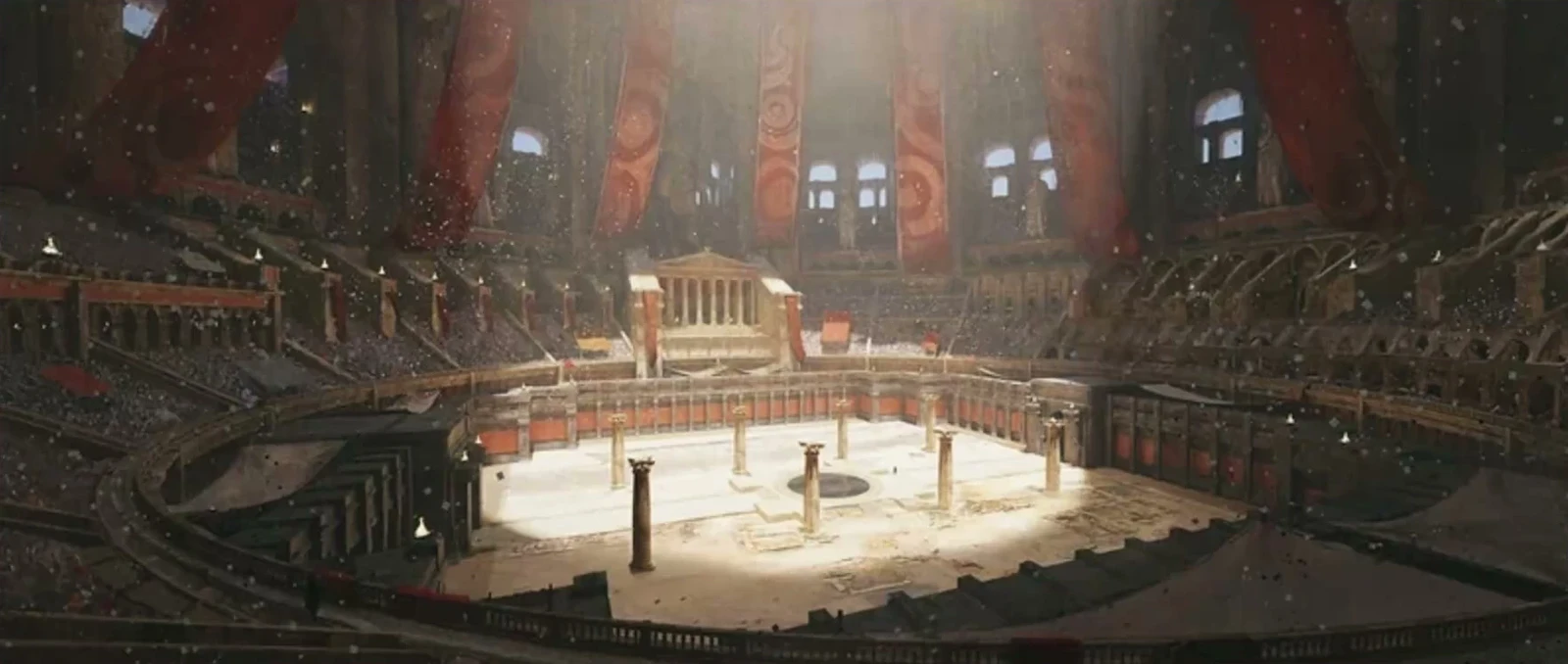
The clearest clue is the huge circular arena hosting the Heroic Games. It evokes ancient Rome: rulers funded grand contests, citizens watched, and those in power gained support. “Bread and circuses” neatly connects public entertainment with popular approval. In the game, the Divine Sovereign provides the venue and promises to grant the winner a wish. What he hopes to gain from the festival becomes a question worth asking.
Common soldiers’ short swords, leg wraps, and armor resemble outfits familiar from Greco-Roman epic films. 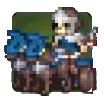 Charioteer fits too. Chariot racing was popular in ancient Rome, connecting the class to its setting. Armored war elephants shift attention from the northern shore toward North Africa and Carthage. Dagda draws on the whole Mediterranean world.
Cultural directions in the three kingdoms’ names
The Kingdom of Arago brings to mind Aragon on the Iberian Peninsula. Maritime trade, fleets, and dry land form a coherent set of impressions. The Kingdom of Saramis connects to the Greek Battle of Salamis, where a weaker force used a strait to defend its homeland against a powerful enemy. Giving such a name to the kingdom whose hopes 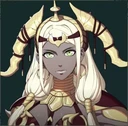 Theodora carries makes her actions in desperate circumstances especially intriguing.
The capital Megaira also connects to the name of a Greek Fury. The sound and opening of the Kingdom of Brezarant suggest Celtic or British directions to me. Each kingdom has its own cultural flavor, joining the central empire to establish this maritime world.
Sea mythology in place names
A series of map names continues the maritime mythology. Electra points both to a princess’s revenge for her father and to a sea nymph. Idyia connects to Medea’s mother. Amalthea brings together nurturing, protection, and abundance. Castalia evokes sacred springs, prophecy, and inspiration. Read together, these names repeatedly suggest seas, water, and divine protection.
Farther afield, sea names and some place names connect to Celtic mythology. Lir is a sea god, Danaan relates to a divine people, and Dagda is an important member of that group. Greek sea imagery, Roman contests and coins, and Celtic divine names all enter the same naming scheme.
Revenge and kingship in character names
Theodora’s name means “gift of God” and shares its origin with the Byzantine empress Theodora. Her homeland’s name suggests victory against desperate odds, while her own recalls an empress who stayed composed in crisis. Together, they build anticipation for her story.
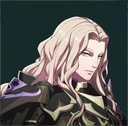 Dietrich instead points toward German and the heroic legends of Dietrich. A historical ruler becomes, through popular storytelling, a hero of exile, foreign refuge, and homecoming. Pairing that name with a
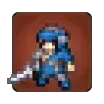 Myrmidon who crossed the sea from Fódlan naturally raises questions about what he lost.
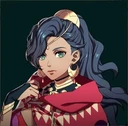 Leda connects to the Greek Leda, whose daughters lead into the Trojan War and family revenge. The revenge imagery extends from place names into personal names.
Mythological names offer clues about revenge, exile, and kingship. Sharing a name with the mythological Leda does not determine that Leda will follow the same plot.
There are fewer clues in  Cai's name, but his home, Ribera Village, connects to the riverbank in an Iberian linguistic context. Following that thread, his name also recalls a verb form meaning “to fall.” This is a guess extending the village-name clue to his own name.
 Tialla's name relates to a crown,
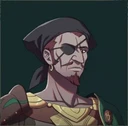 Bonaventure's recalls a military figure, and
 Fabio's connects to a Roman clan and Fabius, who used delaying tactics against Hannibal.
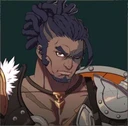 Buccar's name instead shifts to pirate terminology from the Age of Exploration. Beside Leda's Iberian plucked instrument, it reconnects images of the sea, voyages, and raiding. These etymologies offer clues for reading the characters: first ask what the names suggest, then see how their identities, dialogue, and actions respond.
Clothing, skin tones, and belief in many gods
As a foreign Myrmidon, Dietrich differs in clothing and skin tone when standing beside the local protagonists. Cai’s braids, Leda’s plucked instrument, and Theodora’s design also fit the meeting of ancient Mediterranean cultures. Focusing on a single physical trait can obscure the links between these designs and their region.
The sea god Lir's son also connects to  Answerer in Dietrich's hands. In myth, it could pierce armor and force anyone with the sword at their throat to speak the truth. This links a divine name, a sea name, and a heroic relic.
Religious language offers another clue. Dagda emphasizes many gods, contrasting with Fódlan’s faith centered on one goddess. Architecture, warfare, names, and religion all point in a shared direction. Their mutually reinforcing details make the fictional world feel as though it has its own history.