

Developer interview: Why the four routes converge, and how the Promised One connects themMinor spoilers
The four routes build separately before bringing companions, training, and stories together. Exploration, a single save, and the theme of family all support that structure.
Original video: Chinese translation: Fire Emblem: Fortune's Weave pre-release developer interview | Bilibili creator Roy sd
Why eight viewpoints became four routes
Each of the four protagonists tells a story, and you can move between routes to recruit companions and train armies. In the first half, competitors from different regions gather in Dagda for the Heroic Games. In the second, people you met across the routes become one force advancing toward a shared goal. You can start here without playing Three Houses: this is a new story in the same world, set in a different region and era.
The initial idea was larger than four routes. It expanded from three storytelling viewpoints straight to eight, then brought those separate stories back together. But eight people offered too many things to do and too much for players to remember, so the final version emphasized four of their stories.
Dagda's appearance changed alongside that decision. It needed abundant life beneath a blazing sun, with architecture inspired by the ancient Mediterranean. Characters appear early so you can get to know them before choosing companions. The arena brings people of different backgrounds, ethnicities, and goals into one place.
Why Eshmel was added
 Dietrich seeks the feeling of being alive through battle,
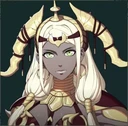 Theodora enters for her people's long-held wish, and
 Leda gives everything to revenge. Their four stories can happen simultaneously, but retaining four separate viewpoints once they stand together would weaken the sense of convergence.
So  Eshmel was added after development passed its halfway point, providing an overview of the four protagonists. The prologue begins in a world ruled by the Underworld, then returns to the past to help the four, recruit them, and move toward the decisive battle. A story that originally only moved forward now sends you back with a clear purpose. You gather information and experience, eventually joining the four stories together and connecting the gameplay to the plot.
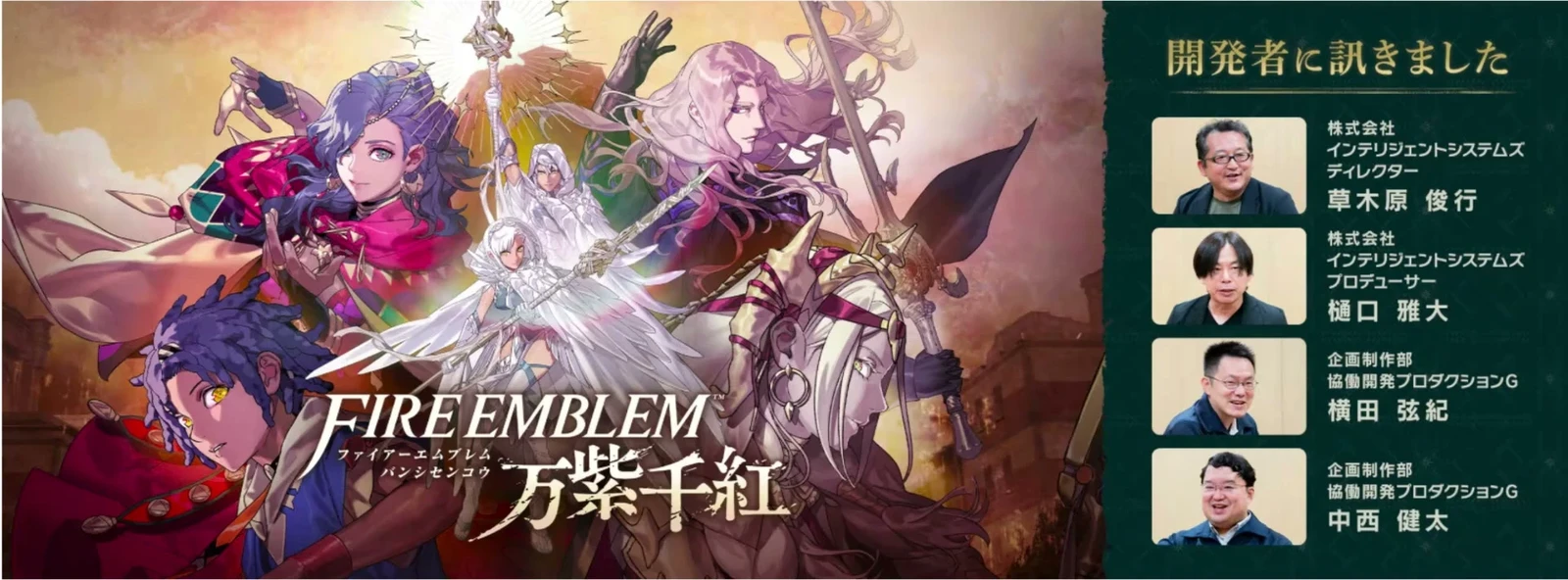
Each route builds exploration rewards differently
You can explore cities, the world map, and labyrinths, deciding where to go as long as you have time left. If every protagonist could do everything, there would be too many systems, and switching characters would become repetitive. Each route therefore needs its own personality.  Cai catches animals, tends mounts, and farms; Theodora recruits battalions; Leda performs in different places for rewards and information about secret locations.
Those experiences connect later. Once the relevant feature unlocks, other members can ride animals caught in Cai's story, and even their names carry over. Start with someone you like, then switch when you want to see another story. Map locations also carry into other routes once you reach their unlock progress. Playing another route adds both understanding of the world and resources you can use later.
One save holds repeated training across routes
Each protagonist has a group, and towns contain recruitable people. You can also recruit members from other groups. You might choose someone for their appearance, then change your opinion through conversations. Reclassing depends on meeting a class's skill-rank requirements. Growth values directly show tendencies toward gains in Strength, Speed, and other stats, helping you plan development.
 Ornius Rider,
 Charioteer, and
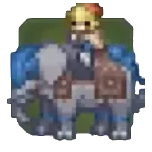 Elephant Rider give the new setting its own combat style. Powerful moves differ too: some attack large areas, while others buff nearby allies. Enemies also have powerful moves; check what they can do before charging into a crowd.
You can replay the same route, training swords the first time and magic the second to keep developing your units.
Combining progress into one save also keeps these experiences together. Separate saves tracking four protagonists would make it easy to lose track of which file had reached which point. Chapter replay leaves room to return and adjust after failure, so you do not need to reset immediately whenever an outcome disappoints you and agonize over everything again.
Music, clothing, and the theme of family
The music began with images of dry air, blue seas, and lives burning brightly. Flamenco expresses both joy and sadness, while clapping, percussion, and guitar add rugged power. Clothing reflects each region's climate and origins: villagers, a kingdom enriched by trade, and Leda's traveling companions each have their own look.
Characters are not simply divided into good and evil. Even someone with a terrible first impression can become familiar through time together and fighting side by side. All four protagonists' stories center on family: Cai learns about the world, Dietrich learns to connect with people, Theodora treats her country as family, and Leda pursues revenge after losing hers. Each lives with their own struggles. The story aims to portray those different ways of living.
Eventually, people from different countries and positions, including those who should have been enemies, entrust their backs to one another. Your choices accumulate into your own story. Characters may fall, and you may not handle every situation perfectly. Make the choice you think best at the time, then keep moving forward.