
Resource planning: money, Renown, materials, and forging priorities
Reserve money for training, meals, and target recruits before upgrading regular weapons. Insect pearls also serve quests; check ore and rare-ingredient needs before selling.

When money is tight, reserve the next round's training, meals, and target recruitment costs. Buy equipment with what remains so training and recruitment do not stall.
- Build money and Renown mainly through quests and protagonist-specific activities. Use spare turns for auto-exploration. If Renown is short, check the target threshold first; you do not need to repeat encounters from the start.
- Concentrate upgrades on units you actually deploy. Improve frequently used weapons early. In Part 3, check Cleansing Blades, Levin Swords that use your Magic, and missing effective weapons first.
- Reserve quest materials before selling. Keep 3 Insect Pearls and 2 Large Insect Pearls for their quests. Do not accidentally cook or sell recruitment Dates and Giants' Meat.
- Upgrade planned weapons before durability reaches zero when possible. Upgrading also restores durability, so you do not need to pay for a full repair first.
This order suits a normal first run with limited funds. For repeat farming, see efficient farming.
Guides to farming and resource allocation
| Current problem | Read next |
|---|---|
| Need quest, encounter, or automatic-exploration money | Efficient farming, money and shops |
| Renown blocks classes, recruitment, or roads | Free time and Renown, class exams |
| Repair/forge unlocks and durability costs | Weapon durability, repair, and forging |
| Items to reserve for a recruit | Recruitment conditions, gift choices |
| Funding a build | Critical lifesteal, dodge tank |
| Part 3 supplies or missed quests | Transition checklist, carryover, missables |
Get money and Renown from quests along your route
Check notice boards, exclusive quests, and paralogues before deciding to farm money. These goals often provide money, materials, and Renown together. Schedule by deadline, then farm with spare turns. Auto-exploration income varies with team size and turns spent; an early small team cannot match late-game earnings.
| Current route | Income to prioritize | Avoid wasted trips |
|---|---|---|
 Cai | Requests; pearl items dropped by sewer insects | Reserve quest pearls before selling extras. |
 Dietrich | Exclusive challenges and other quests; valuables dropped in encounters | Encounters also provide experience. Repeating small Renown gains need not be your only progress. |
 Theodora | Exclusive military preparation and supply delivery quests | Check recruitment and forging needs before delivery so you do not hand over all urgently needed materials. |
 Leda | Regional tours and related quests | Check destinations and deadlines, and combine quests in the same direction. |
| All four routes | Main/side quests and paralogues; auto-exploration in spare turns | Remember to report completed objectives. Performing at the theater and watching shows also compete for time. |
See money farming and side quests for amounts, acceptance dates, and repeatable methods. Check individual performance and paralogue rewards separately.
Aim for the Renown threshold you will use soon. It opens exams, recruits, and roads, so decide which unlock comes first. Check character information and exam menus, set this chapter’s goal, then do quests that close the gap. Specialty exams unlock at Renown 4 and Advanced at 8, but class-specific skill/quest conditions still apply.
Main quests, side quests, temple audiences, and protagonist tasks all earn Renown. Repeated encounters suit simultaneous experience/drop needs. For Renown alone, existing quests usually require less repetition; you need not max every high threshold at the start.

Where should your current money go first?
| Order | Reserve or buy | Reason |
|---|---|---|
| Reserve basics | Next training/meals; target negotiation fees and necessary gifts | Recruitment and development need continued spending; running dry interrupts the plan |
| Fill immediate gaps | Exam passes for qualified units ready now; needed recovery items; usable core weapons | Immediate utility beats equipment you cannot use yet |
| Concentrate upgrades | Weapons used regularly and later | One regular weapon pays off repeatedly; spreading across reserves may improve nothing enough |
| Leave until last | Duplicate expensive weapons, stat items, many random crates, gifts without recipients | Ask which specific problem the purchase solves |
Weekend discounts save money, but budget using the current menu. Training is discounted on Saturday and Sunday; meals are half price on Sunday. Check remaining weekly uses before returning to town, and do not miss deadlines waiting for discounts. Add up the week's budget from unlocked activities, recruitment targets, and planned actions.
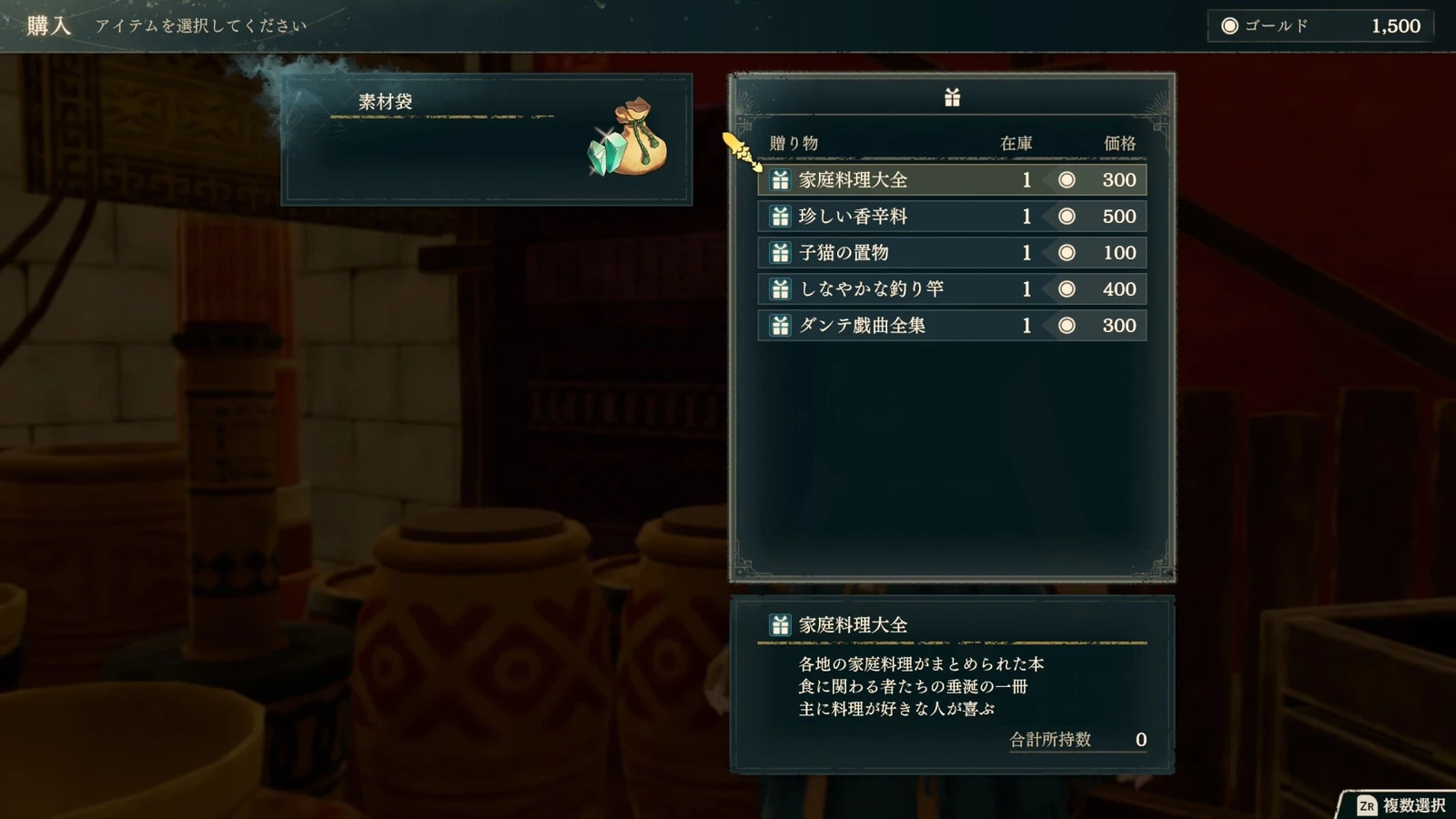
Buy more gifts or save first?
One approach prioritizes gifts with Part 1 money to recruit more people quickly, then sends the larger team on auto-exploration. Weapons can be supplemented from dungeons, material exchanges, and new recruits. This suits players progressing week by week with recruitment as the focus.
Another approach gives only enough gifts to invite someone to meals, avoids stockpiling gifts, then uses chapter-restart meals to build relationships. This retains Support gains while cutting gift spending. You must be willing to repeat actions and accept that restarting rolls back some chapter progress. See farming recruitment Support for the procedure and what carries over. During normal progression, still reserve money for each person's actual activities.
Upgrade for current roles before maximum-level payoffs
Ask who will use the weapon, against which enemies, and what this upgrade tier solves. Check whether it can be upgraded, then compare the tier currently within reach. Wood, iron, and silver each have uses. Do not spend early money based on Part 3's maximum-upgrade stats.
| Stage/problem | First weapon to check | Reason and stopping point |
|---|---|---|
| Early core lacks damage | Current Iron Sword, Iron Bow, or regular weapon | Improve actual combatants first. Check Leda’s Iron Bow +1 then +2; the whole team need not upgrade together |
| Axe user struggles with armor |  Hammer | Anti-armor role; check Weight and Hit too, rather than treating high Might as a general weapon replacement |
| Frequent Netherworld Blessings |  Cleansing Blade | Nullifies enemy Netherworld Blessings even unupgraded; equip sword users before raising Might |
| Sword user with Magic needs magical damage |  Levin Sword | 1–2-range magic expands physical sword users’ coverage; prepare for actual users, not everyone |
| Long-term Part 3 upgrades | Cleansing Blade, Levin Sword, and core functional weapons | Both have explicit late priorities; fill key roles before other equipment |
| Higher late upgrades while preserving Speed | Wooden Sword and other low-tier weapons | Wooden Sword adds Speed from +6 and gives +5 at +9; the payoff is late, not a reason for blind early spending |
Ordinary swords also have different upgrade curves. Iron Sword gains a noticeable Might jump at +3. Silver Sword focuses more on gradual Might gains, while later Wooden Sword upgrades provide Speed. Choose based on whether you currently lack damage or Speed, rather than replacing everyone's gear with the more expensive material.
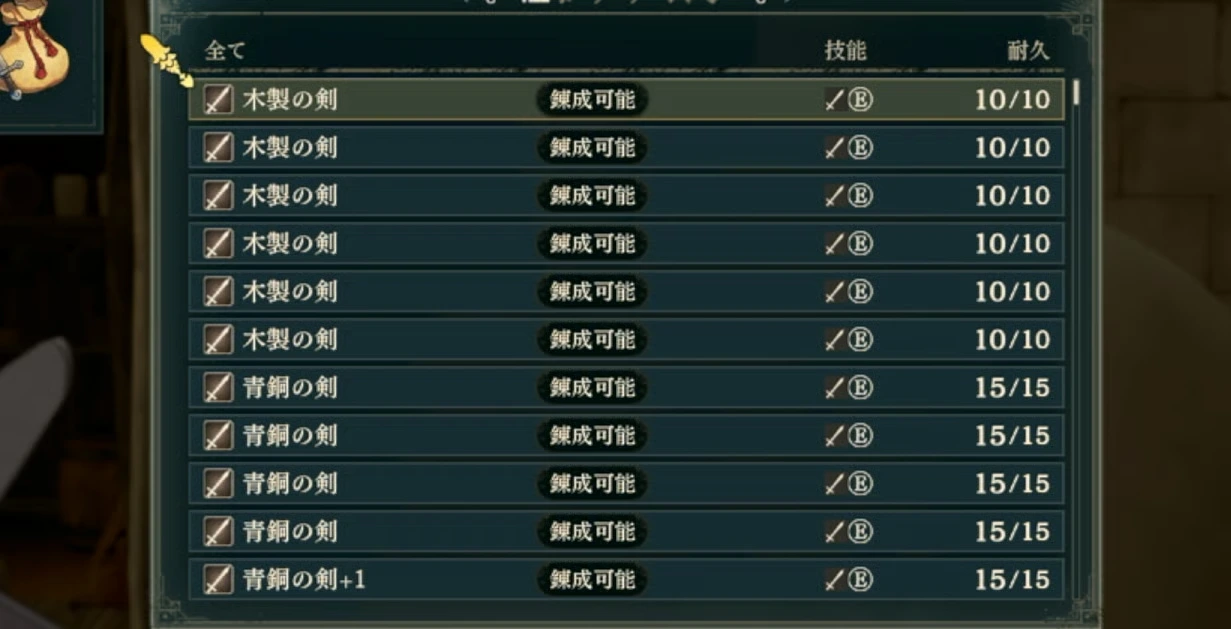
Upgrading a low-durability weapon can save a repair bill if you intended to upgrade anyway. If you only need durability now and materials are reserved for another core weapon, compare actual repair/upgrade quotes. Leave some durability if possible; direct forging at zero remains disputed. See durability and forging.
Use Part 2's issued Iron Sword +3 actively, but it does not transfer directly into the next part. Do not assume the same equipment is already available in Part 3. Recheck your usual weapons before changing parts; see transition preparations for carryover checkpoints.
Which materials should you keep or sell?
Selling is only one use; check whether someone needs a delivery first. When short on money, sell confirmed money items first. Do not sell all ordinary weapons in bulk: returns are limited and later recruits may need them.
| What is in your bag | What to reserve first | When to consider selling |
|---|---|---|
| Valuables such as Bullion | Check whether a current quest requires them. | Sell first once delivery uses are ruled out; not all materials are valuables. |
 Insect Pearl,  Large Insect Pearl | Keep 3 regular Insect Pearls and 2 Large Insect Pearls until their quests are complete. | Sell surplus after finishing the corresponding quests or reserving enough. |
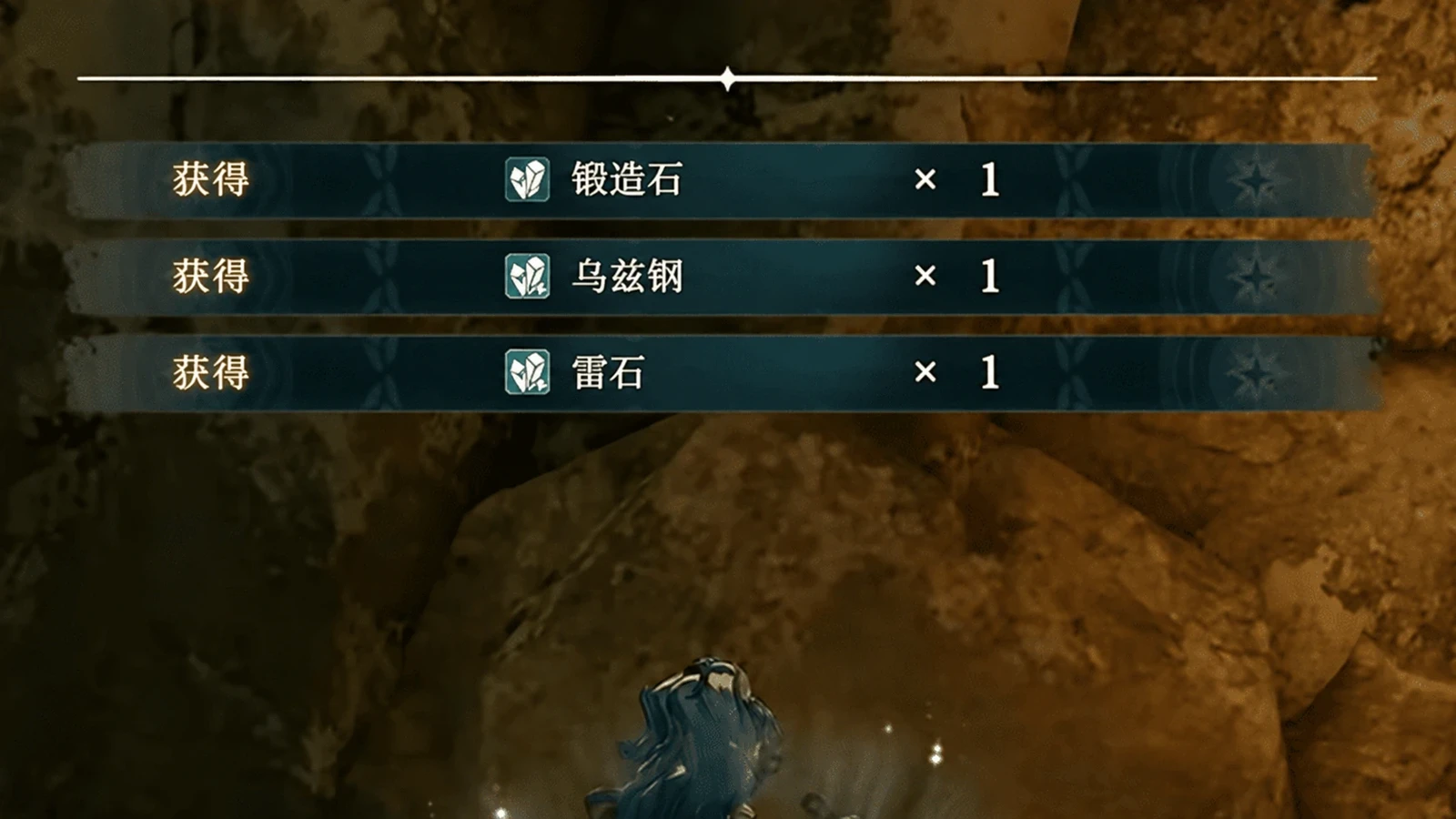
Forging materials such as  Smithing Stone | Materials for the next weapons you will actually repair or upgrade. | Check repair and upgrade requirements before selling; do not empty stocks just because you are not using them now. |
Rare ingredients such as  Dates,  Giants' Meat | Prepare 10 Dates for  Halvin or 3 Giants' Meat for  Goliath, then check character information on the current route. | Consider other uses only if they are outside your recruitment plan and have no delivery or exchange uses. |
| Ordinary ingredients, mount feed, exchange materials | Amounts needed for route quests, recovery, and existing mounts. | Sell excessive surplus. Check the mount guide before capturing or feeding. |
Pay particular attention to the two pearl reserve quantities before finishing their quests. They serve both sales and deliveries; earning money from pearls does not mean selling every one immediately.
Material amounts are only one recruitment condition; Renown, Support, route, and timing still apply. Cai especially cannot copy other routes’ Date gathering paths. Keep the first supply before cultivation; see recruitment for access.
Buy only to fill immediate gaps
| Purchase | Ask before paying |
|---|---|
| Exam pass | Who will take the exam now, and are conditions met? Check the exam before stockpiling |
| Recovery items | How much does the next exploration need? Can inventory and recovery activities cover it? |
| Gift | For whom, is it liked, and can they still receive one this week? Check gifts |
| New or duplicate weapon | Can the class use it, is proficiency sufficient, and can an existing one be shared? |
| Trading-company exchange | Are these materials needed for quests, recruits, or upgrades? |
| Random weapon crate | Is this a needed weapon or merely a gamble? Reserve ordinary expenses; see money and shops |
Preview merchant goods on the world map before detouring. Budget gold purchases separately from material exchanges. Compare stock and needs rather than converting reserve funds into unused inventory simply because a merchant appeared.
Four checks before spending
Reserve money from actual menu prices and materials for this chapter's goals.